
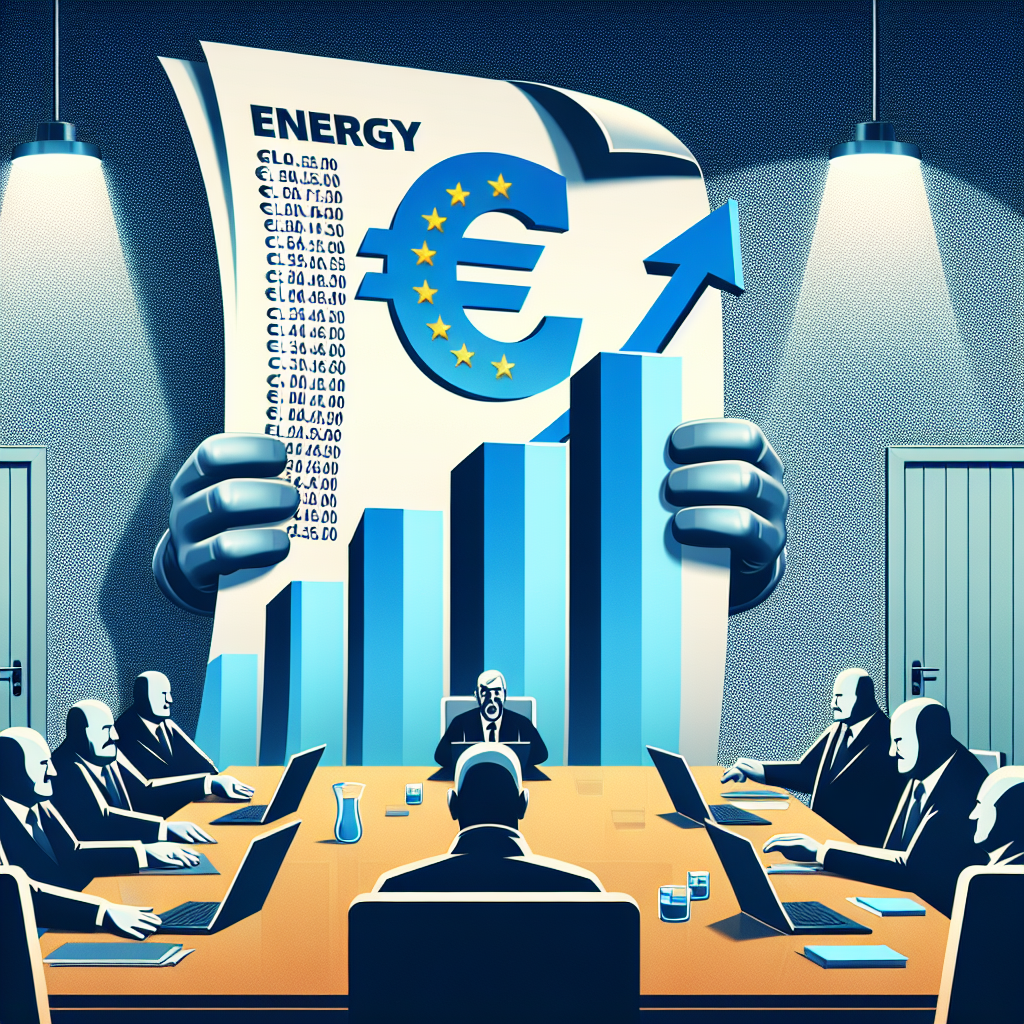
Rising Energy Costs Threaten EU Economy – Orban

Rising Energy Costs Threaten EU Economy – Orban
Overview
Hungarian Prime Minister Viktor Orban has raised concerns about the escalating energy costs in Europe, warning that they pose a significant threat to the EU economy. As energy prices continue to soar, the economic stability of the region is at risk, potentially leading to broader financial challenges.

Key Concerns
- Economic Impact: Rising energy costs could lead to increased production expenses, affecting the competitiveness of European industries.
- Inflation Pressure: Higher energy prices contribute to inflation, reducing consumer purchasing power and potentially slowing economic growth.
- Energy Dependency: The EU’s reliance on external energy sources makes it vulnerable to global market fluctuations.
Orban’s Perspective
Prime Minister Orban emphasizes the need for strategic measures to mitigate the impact of rising energy costs. He advocates for:


- Energy Diversification: Investing in alternative energy sources to reduce dependency on imports.
- Policy Reforms: Implementing policies that stabilize energy prices and support economic resilience.
- Regional Cooperation: Encouraging EU member states to collaborate on energy strategies to ensure collective security and stability.
Potential Solutions
To address the challenges posed by rising energy costs, the EU could consider:


- Renewable Energy Investments: Accelerating the transition to renewable energy to decrease reliance on fossil fuels.
- Energy Efficiency Initiatives: Promoting energy-saving technologies and practices across industries and households.
- Strategic Reserves: Building and maintaining strategic energy reserves to buffer against price spikes.
Conclusion
The rising energy costs present a formidable challenge to the EU economy, with potential repercussions on inflation, industrial competitiveness, and overall economic stability. Prime Minister Orban’s call for strategic action highlights the urgency of addressing these issues through diversification, policy reforms, and regional cooperation. By investing in renewable energy and enhancing energy efficiency, the EU can work towards a more resilient and sustainable economic future.












