
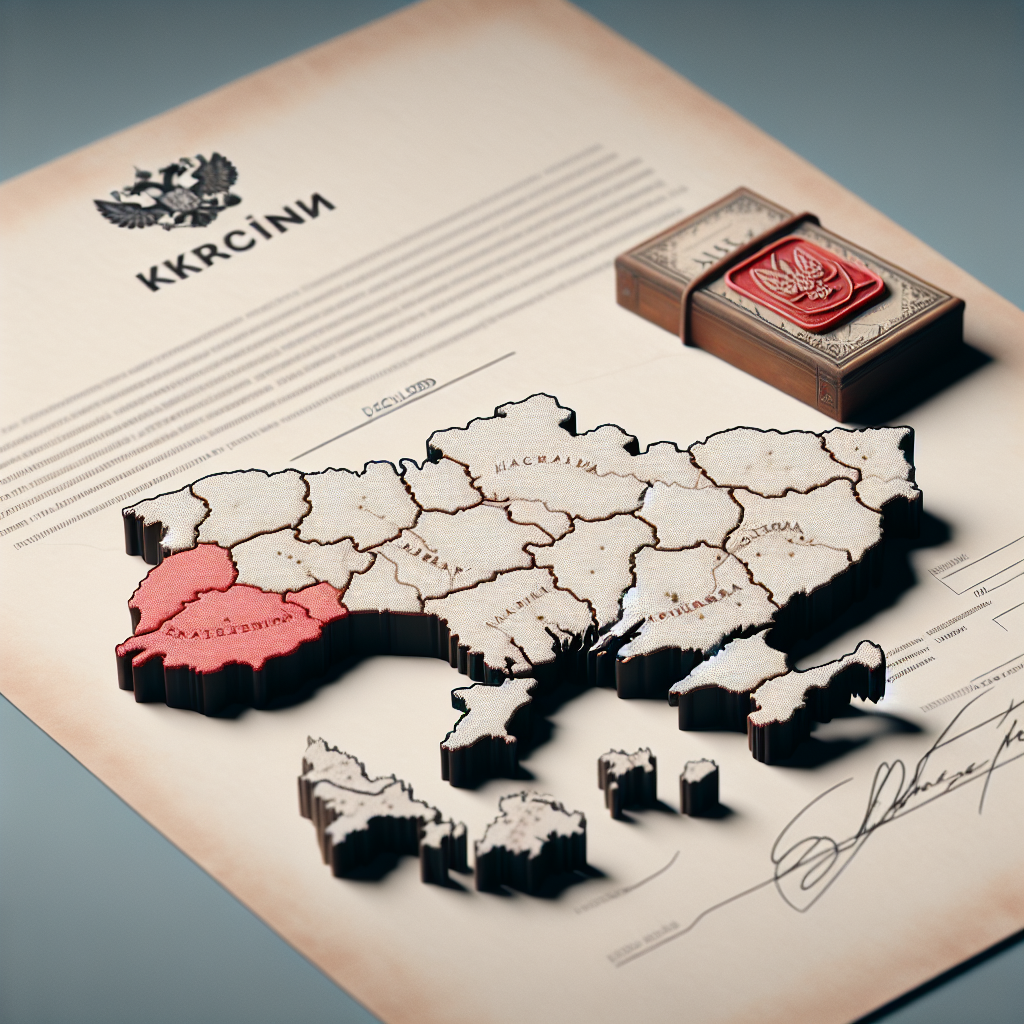
Russia Declines Territory Exchange Proposal with Ukraine Involving Kursk Region

Russia Declines Territory Exchange Proposal with Ukraine Involving Kursk Region
Background of the Proposal
In a recent diplomatic development, Ukraine proposed a territorial exchange with Russia, suggesting a swap involving the Kursk region. This proposal aimed to address ongoing tensions and territorial disputes between the two nations.

Key Aspects of the Proposal
- Objective: The proposal was intended to foster peace and stability in the region by resolving territorial disagreements.
- Involved Regions: The exchange involved the Kursk region, a strategically significant area for Russia.
- Diplomatic Channels: The proposal was communicated through official diplomatic channels, highlighting Ukraine’s willingness to negotiate.
Russia’s Response
Russia has officially declined the proposal, citing several reasons for its decision. The refusal underscores the complexities of the geopolitical landscape in Eastern Europe.


Reasons for Rejection
- Strategic Importance: The Kursk region holds significant strategic and historical value for Russia, making it a non-negotiable asset.
- National Security: Concerns over national security and territorial integrity were paramount in Russia’s decision-making process.
- Political Implications: Accepting the proposal could have set a precedent for future territorial negotiations, which Russia is keen to avoid.
Implications for Future Relations
The rejection of the proposal may impact future diplomatic relations between Russia and Ukraine. It highlights the ongoing challenges in resolving territorial disputes and achieving lasting peace in the region.


Conclusion
In summary, Russia’s decision to decline Ukraine’s territory exchange proposal involving the Kursk region reflects the deep-rooted complexities of regional geopolitics. The strategic importance of the Kursk region, coupled with national security concerns, played a crucial role in Russia’s refusal. This development underscores the challenges in achieving diplomatic resolutions to territorial disputes in Eastern Europe.















