
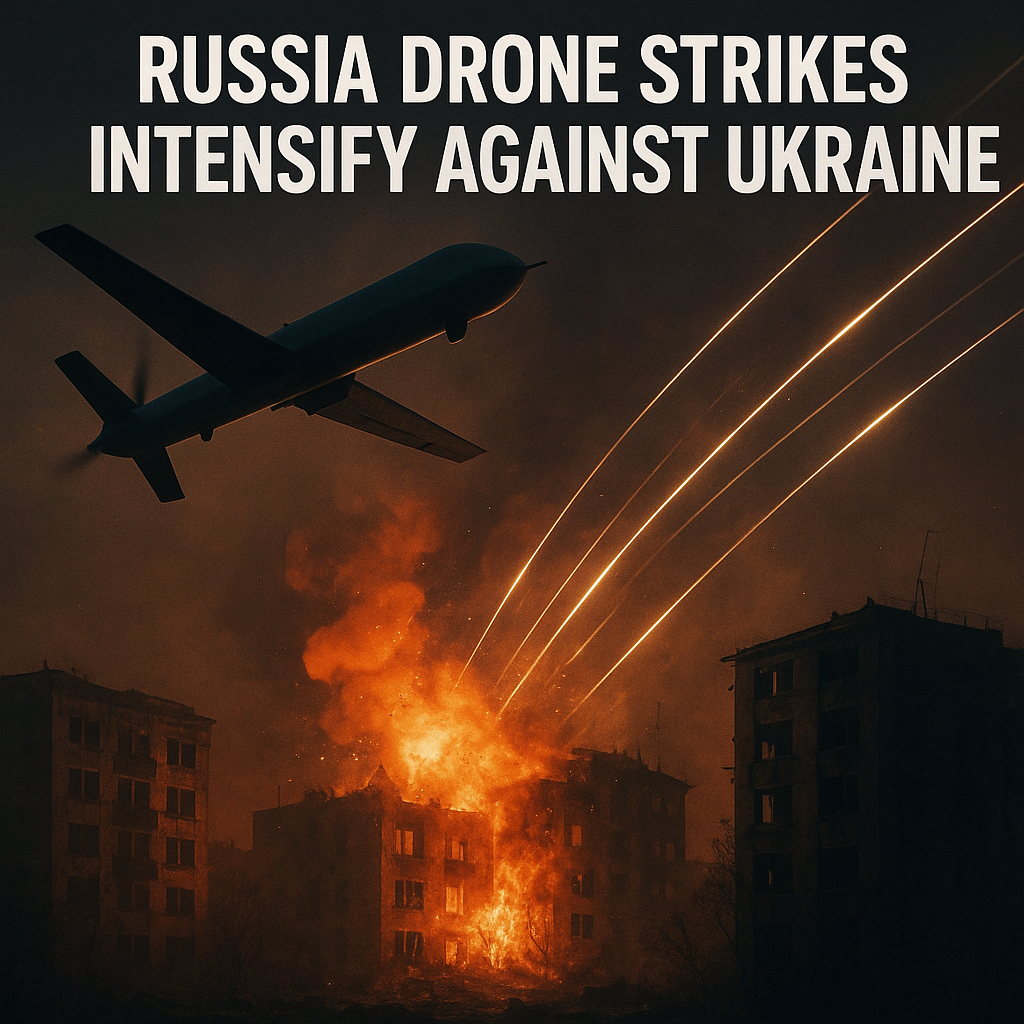
Russia Drone Strikes Intensify Against Ukraine

Russia Drone Strikes Intensify Against Ukraine
The ongoing conflict between Russia and Ukraine has escalated dramatically with a series of intensified drone strikes affecting both urban areas and military sites across Ukraine. This surge in aerial assaults has raised alarms about the potential for widespread devastation and further destabilization in the region.

Understanding the Recent Surge in Drone Activity
In recent weeks, reports have emerged detailing an increase in drone strikes by Russian forces, with significant damage inflicted upon critical infrastructure. News outlets such as Al Jazeera and Sky News highlight this upsurge as a strategic maneuver by the Russian military, aimed not only at military targets but also at impactful civilian sites—an aspect that complicates the narrative of justified warfare.


The Context of the Drone Strikes
Historically, drone warfare has played a crucial role in modern military tactics, offering the capability to strike quickly and with reduced risk to personnel. Analysts from different news sources note that Russia’s reliance on drone technology signifies an evolution in their combat strategy, perhaps influenced by recent battlefield developments.


According to reports, these strikes have targeted energy infrastructure, with large cities experiencing intermittent blackouts affecting healthcare facilities and civilian life. This development raises ethical questions about the impact of such operations on non-combatants and the broader implications for war ethics.
Diverse Perspectives on the Implications
The ramifications of these airstrikes are viewed through differing lenses:
1. Military Justification: Some commentators argue from a military perspective that such strikes can be seen as a necessary tactic in an ongoing war. They stress that the targeting of military assets is vital for ensuring an upper hand in the conflict. Russian state media suggests that these drone attacks are a response to Ukrainian actions and provocation, thus framing them within the context of self-defense.
2. Humanitarian Concerns: Conversely, many voices have emerged to condemn the tactics employed by Russia, citing breaches of international law and the risk posed to civilian lives. Human rights organizations and advocacy groups have vehemently criticized the assaults, suggesting that the deliberate targeting of civilian infrastructure might amount to war crimes, amplifying the humanitarian crisis affecting millions.
Despite the varying viewpoints, one salient point persists: the toll on civilian infrastructure is immense, and the psychological impact of such aerial warfare creates an atmosphere of fear and uncertainty among the populace.
The International Response and Future Outlook
As tensions escalate, international reactions have been measured yet revealing. The responses range from voicing concern to diplomatic condemning of Russia’s actions. For instance, Ukraine’s allies, including NATO members, have reiterated their support while emphasizing the need for sanctions against Russia to curb further aggression.
Simultaneously, some countries remain cautious about their stance, wary of exacerbating tensions. This tepid approach underscores a broader geopolitical concern—how to manage relations with Russia while also supporting Ukraine effectively.
An Uncertain Path Forward
The question now is: what comes next? Current trajectories hint at a continuing cycle of escalation. Should drone strikes persist, the likelihood of civilian casualties will only grow, propelling further international intervention or condemnation.
Moreover, analysts caution that without a concerted diplomatic effort, the potential for regional spillover remains significant. Nations surrounding Ukraine, already feeling the ramifications of instability, could see increased friction, which may influence global energy markets and security dynamics.
In conclusion, the intensifying drone strikes by Russia highlight a complex web of military strategy, humanitarian crises, and international diplomacy. The multiplicity of perspectives on this phenomenon reveals the urgency for constructive conversations aimed at conflict resolution, promoting peace, and ensuring civilian protection as priorities in this ongoing conflict. The dialogue surrounding these strikes serves as a critical reminder of the perils inherent in modern warfare and the desperate need for targeted actions toward alleviating human suffering amid conflict.















