
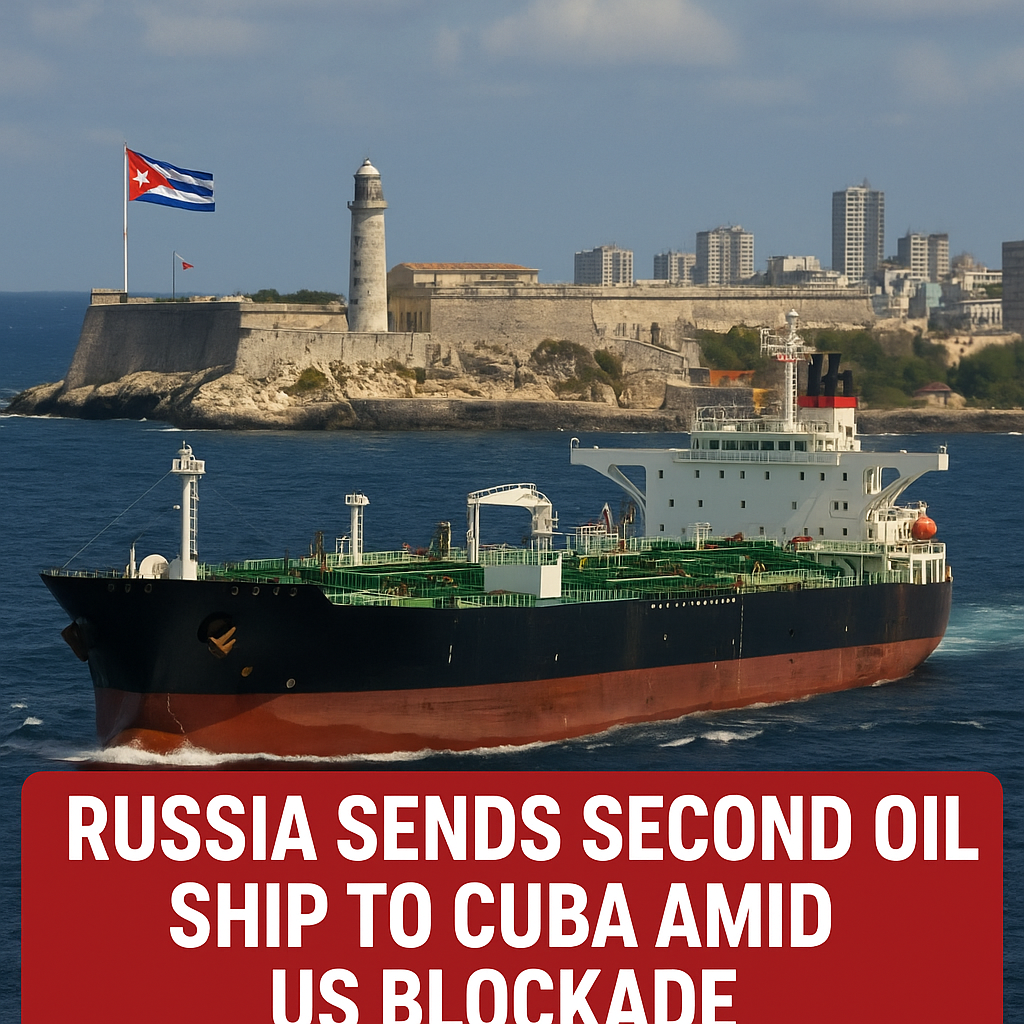
Russia Sends Second Oil Ship to Cuba Amid US Blockade

Russia Sends Second Oil Ship to Cuba Amid US Blockade
In a significant geopolitical maneuver, Russia has dispatched a second oil shipment to Cuba amidst the ongoing U.S. blockade, raising questions about the implications for both nations and the broader international community. This action reflects the deepening relationship between Moscow and Havana, fostering an atmosphere of defiance against U.S. sanctions while also providing Cuba with a critical lifeline amid its energy crisis.

The Context of the Oil Shipment
As the U.S. maintains stringent sanctions aimed at isolating Cuba economically, Russia’s decision to send additional oil underscores its role as a crucial ally for the island nation. Reports indicate that the first shipment took place earlier this year, and the latest delivery consists of around 700,000 barrels of crude oil. This development is pivotal for Cuba, where energy shortages have sparked widespread discontent and protests among the population.


According to a detailed article by Al Jazeera, Cuba’s oil imports are essential not only for powering homes but also for sustaining its agricultural and industrial sectors. The nation’s economy has long been strained by U.S. sanctions, limiting its ability to procure energy from alternative sources.


In contrast, the Russian perspective emphasizes its commitment to fostering relationships with these countries in defiance of U.S. hegemony. A report from RT highlights Moscow’s desire to support nations that resist American influence, noting that this action is part of a broader strategy in the Caribbean and Latin American region, which has historical ties to the Soviet Union.
Impacts on Cuba and the Broader Implications
Economic Stability or Dependency?
While the oil shipments provide immediate relief to Cuba’s fuel shortages, there are growing concerns about the sustainability of such reliance on Russia. The relationship between the two countries, although historically significant, has evolved into a transactional one, driven by immediate needs rather than long-term stability.
– Pros:
– The shipments bolster Cuba’s energy supply, ensuring the continuity of essential services and possibly averting civil unrest.
– Russia’s support may embolden Cuba to resist U.S. pressure, fostering a sense of sovereignty.
– Cons:
– Increased dependency on Russian oil may limit Cuba’s ability to explore diverse energy partnerships elsewhere.
– It raises concerns about falling into a similar pattern of reliance that Cuba had with the Soviet Union, potentially undermining self-sufficiency.
Geopolitical Ramifications
The implications of these shipments extend beyond just bilateral relations. The U.S. reaction to Russia’s actions has been one of growing concern. The Biden administration has reiterated its commitment to enforcing existing sanctions against Cuba, aiming to maintain pressure and deter potential alliances that could threaten U.S. interests in the region.
Subsequently, this dynamic could prompt a more aggressive U.S. foreign policy towards both Cuba and Russia, possibly leading to heightened tensions. As noted in coverage from Sky News, such developments may spark fears of an escalating cold war-style confrontation in the Western Hemisphere.
A Divided Perspective
Opinions on the ramifications of Russia’s oil shipments to Cuba vary widely among analysts and policymakers. Some argue that U.S. sanctions are ineffective and that Russia’s actions showcase a failure of U.S. foreign policy in the region. Others caution that such shipments are merely a temporary fix to Cuba’s longstanding economic issues and could lead to unforeseen complications in the future.
Furthermore, the involvement of Russia in Cuba’s energy sector raises ethical questions about supporting regimes that face criticism for human rights abuses. Critics argue that this relationship may allow Cuban authorities to divert attention from domestic issues, using the external threat posed by the U.S. as a rallying point for political support.
Conclusion: A Complex Relationship
In conclusion, the second oil shipment from Russia to Cuba amid ongoing U.S. sanctions signifies a complex interplay of geopolitical, economic, and social factors. While it provides an immediate solution to Cuba’s pressing energy needs, it also lays bare the intricacies of international relations today, including questions of dependency, power dynamics, and regional stability.
Ultimately, the full impact of these developments will unfold over time, shaped by actions and reactions from all parties involved. The interplay of support and sanctions, dependence and sovereignty, positions this situation as one of the many facets of 21st-century geopolitics. As nations navigate these turbulent waters, the world watches to see whether this alliance will stabilize Cuba’s economy or further entrench it within Russia’s sphere of influence.















