
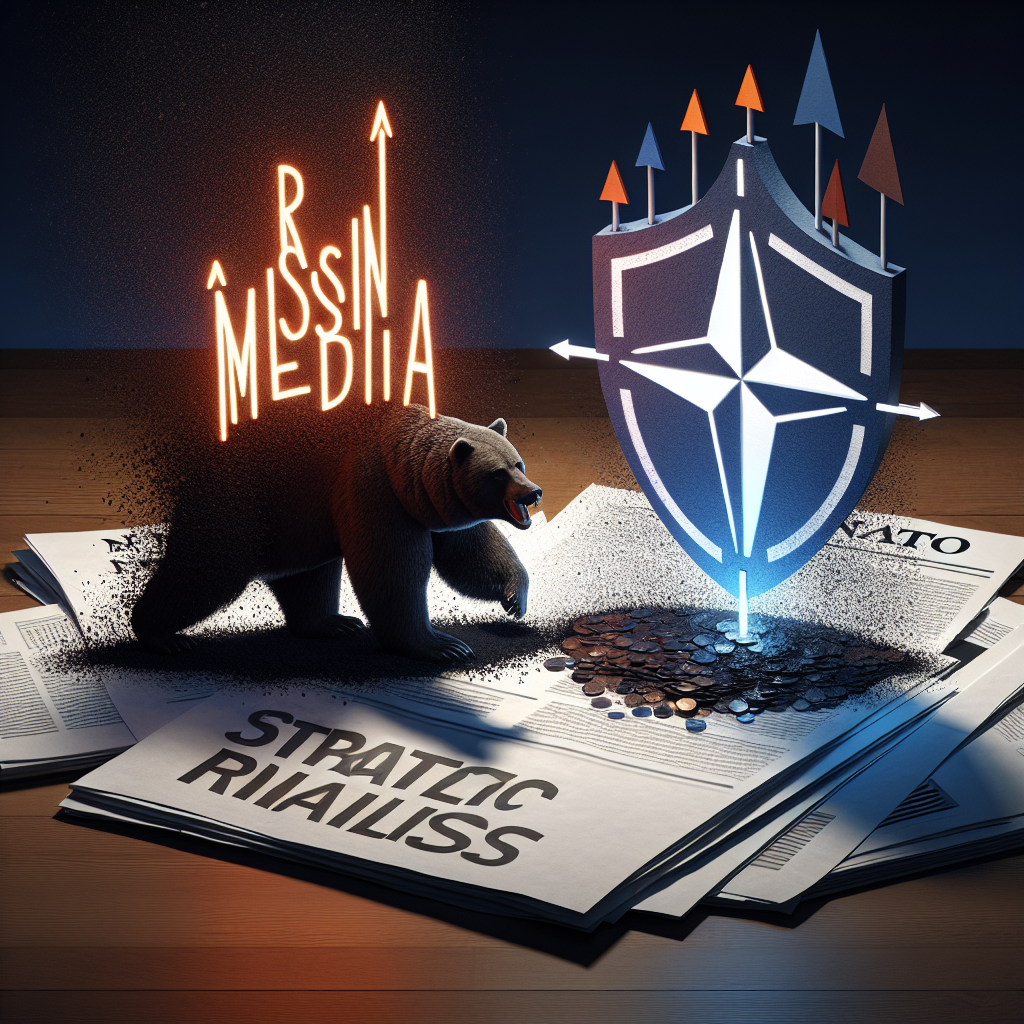
Russian Media Influence Grows Amid NATO’s Strategic Response – Report

Russian Media Influence Grows Amid NATO’s Strategic Response – Report
Overview
A recent report highlights the increasing influence of Russian media across global platforms, raising concerns among NATO members. This development has prompted a strategic response from NATO to counteract potential misinformation and propaganda.

Key Findings
- Expansion of Influence: Russian media outlets have significantly expanded their reach, utilizing both traditional and digital platforms to disseminate content worldwide.
- Targeted Narratives: The report identifies specific narratives aimed at undermining NATO’s credibility and sowing discord among member states.
- Technological Advancements: Russia’s use of advanced technology, including AI-driven content creation, has enhanced the effectiveness of its media campaigns.
NATO’s Strategic Response
In response to the growing influence of Russian media, NATO has implemented several strategic measures:
Ads


- Enhanced Monitoring: NATO has increased its monitoring of Russian media activities to better understand and counteract their narratives.
- Public Awareness Campaigns: Efforts to educate the public about identifying misinformation have been intensified across member states.
- Collaborative Efforts: NATO is working closely with tech companies and media organizations to develop tools and strategies to combat disinformation.
Conclusion
The report underscores the growing challenge posed by Russian media influence, prompting NATO to adopt a multifaceted approach to safeguard its member states. By enhancing monitoring, raising public awareness, and fostering collaboration, NATO aims to mitigate the impact of misinformation and maintain its strategic integrity.
Ads

Ads

Ads

Ads

Ads

Ads

Ads

Ads

Ads

Ads

Ads

Ads

Ads


