
Significant Decline in EU Asylum Applications

Significant Decline in EU Asylum Applications
Overview
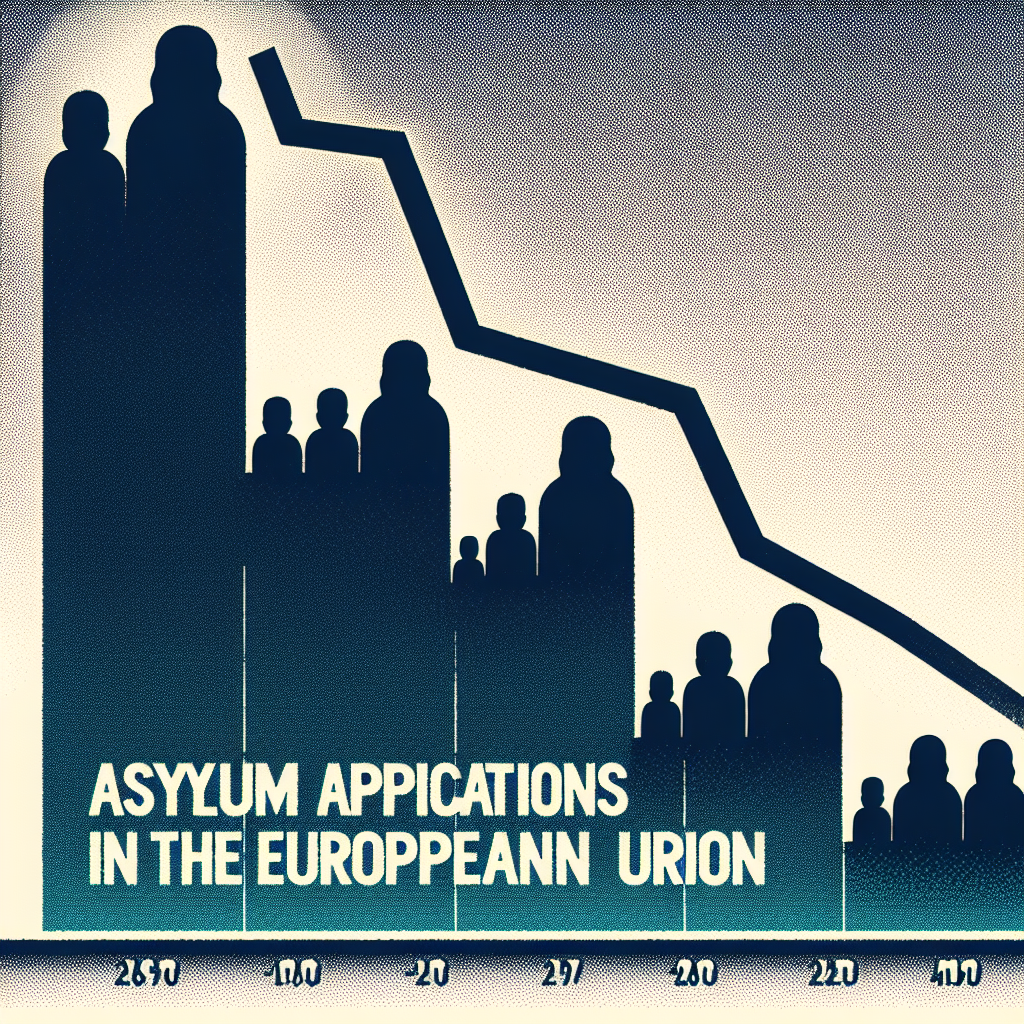
The European Union has witnessed a notable decrease in asylum applications, marking a significant shift in migration patterns. This trend has implications for both EU member states and the broader geopolitical landscape.

Key Factors Contributing to the Decline
- Stricter Border Controls: Enhanced security measures and border controls have been implemented across the EU, reducing the influx of asylum seekers.
- Policy Changes: Recent policy adjustments within the EU have streamlined the asylum process, discouraging frivolous applications.
- International Cooperation: Increased collaboration with non-EU countries has helped manage migration flows more effectively.
Implications for EU Member States
The decline in asylum applications presents both opportunities and challenges for EU countries:


- Resource Allocation: Reduced pressure on asylum systems allows for better allocation of resources and improved support for genuine refugees.
- Political Impact: The decrease may influence political discourse and public opinion on migration policies within member states.
- Economic Considerations: A lower number of asylum seekers could impact labor markets, particularly in sectors reliant on migrant workers.
Future Outlook
While the current decline is significant, it remains uncertain whether this trend will continue. Factors such as global conflicts, economic conditions, and climate change could alter migration patterns in the future.


Conclusion
The significant decline in EU asylum applications reflects a complex interplay of policy changes, international cooperation, and border management. While this trend offers some relief to EU member states, it also poses new challenges and uncertainties. Continued vigilance and adaptive strategies will be essential to address future migration dynamics effectively.












