Smotrich Urges Settlements and Gaza Conquest in Israel

Smotrich’s Call for Settlements and Gaza Conquest: Analyzing the Implications
Israeli Finance Minister Bezalel Smotrich recently intensified conversations surrounding the future of Israeli settlements and the Gaza region by advocating for extensive settlement expansion and a military approach to the Gaza Strip. This provocative position sits at a contentious intersection of Israeli domestic policy and international relations, raising significant questions about the potential ramifications on peace prospects and regional stability.

The Push for Settlements: A Return to Expansionism
Smotrich’s advocacy for increased settlement expansion is seen as emblematic of a wider right-wing agenda within the Israeli government, which has been gaining momentum. Proponents argue that expanding settlements is not only justified but essential for ensuring Israel’s security and territorial integrity. According to Al Jazeera, Smotrich asserted that the Israeli presence in the West Bank is vital and should “not be minimized.” This view reflects a deep-seated belief among some factions that settlement expansion is both a historical right and a strategic necessity.


Critics, however, vehemently oppose such moves, arguing that settlement expansion undermines the peace process and violates international law. Organizations like the UN have highlighted that settlements are considered illegal under international law, leading to increased tensions within Palestinian communities and discrediting Israel’s standing on the global stage. These contrasting perspectives illustrate the polarized debate surrounding the issue.


Gaza: Conquest or Resolution?
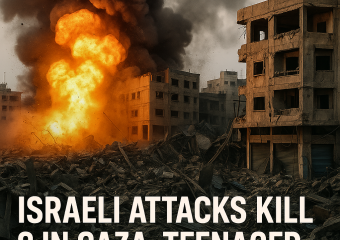
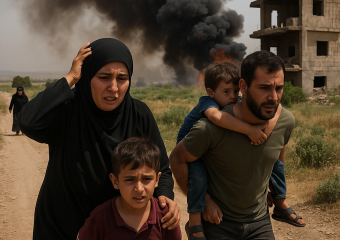
Turning to Gaza, Smotrich’s remarks have reignited fears of more aggressive military action. He mentioned that the Gaza Strip should be “conquered and returned to Israeli sovereignty.” This declaration highlights a significant shift in rhetoric, suggesting a departure from diplomatic negotiation toward a more militaristic approach. The ramifications of such a stance are profound, as many observers warn that increased military actions could exacerbate existing tensions and lead to further violence.
RT reported on the internal divisions within Israeli society regarding how to handle Gaza, with some advocating for a full military takeover, while others suggest a need for a more diplomatic strategy to resolve ongoing conflicts. This divergence reflects broader historical patterns in Israeli policy, where responses to conflict are frequently debated amongst various political factions.
The potential for renewed conflict raises concerns not just for Israel, but also for regional stability. Many analysts highlight that such aggressive strategies could strain relations with key international allies such as the United States, which traditionally supports Israel’s right to self-defense but also advocates for a two-state solution to ensure lasting peace.
The Broader Implications of Smotrich’s Assertions
While Smotrich’s calls for settlement expansion and military action resonate with a segment of the Israeli populace, they also invite a robust counter-narrative emphasizing peace and coexistence. Several organizations and political commentators argue that any unilateral advancements in settlements or military action will close doors to negotiation and reconciliation efforts between Israelis and Palestinians.
The ongoing conflicts in the region, including intermittent flare-ups in violence, underline the urgency of finding a sustainable resolution that acknowledges both Israeli security concerns and Palestinian rights. Nevertheless, any decisive move towards settlement expansion or military incursions is likely to be met with international condemnation and could incite unrest within both Israeli and Palestinian territories.
As Israel navigates this complicated political landscape, the balance between maintaining security and pursuing diplomatic solutions will be critical. The ramifications of Smotrich’s calls will undoubtedly be complex, challenging the Israeli government’s ability to pursue a cohesive policy that satisfies a diverse electorate while fostering an environment conducive to peace.
Conclusion: A Path Forward?
Smotrich’s recent pronouncements represent a critical turning point that invites substantial reflection on Israel’s future policies regarding settlements and Gaza. The split between call for expansion and conquest as opposed to negotiation and peace underlines the multifaceted challenges facing the region. While some see a military approach as the ultimate solution, others argue that long-lasting peace can only be achieved through dialogue and understanding. The coming weeks and months will reveal whether Smotrich’s assertions will indeed steer Israeli policy toward an aggressive posture, or if a reevaluation of compassionate strategies may emerge in response to the complexities of this ongoing conflict.