
South Korea’s Beauty Tourism Boom: Navigating the Risks of Unregulated Practices

South Korea’s Beauty Tourism Boom: Navigating the Risks of Unregulated Practices
The Rise of Beauty Tourism in South Korea
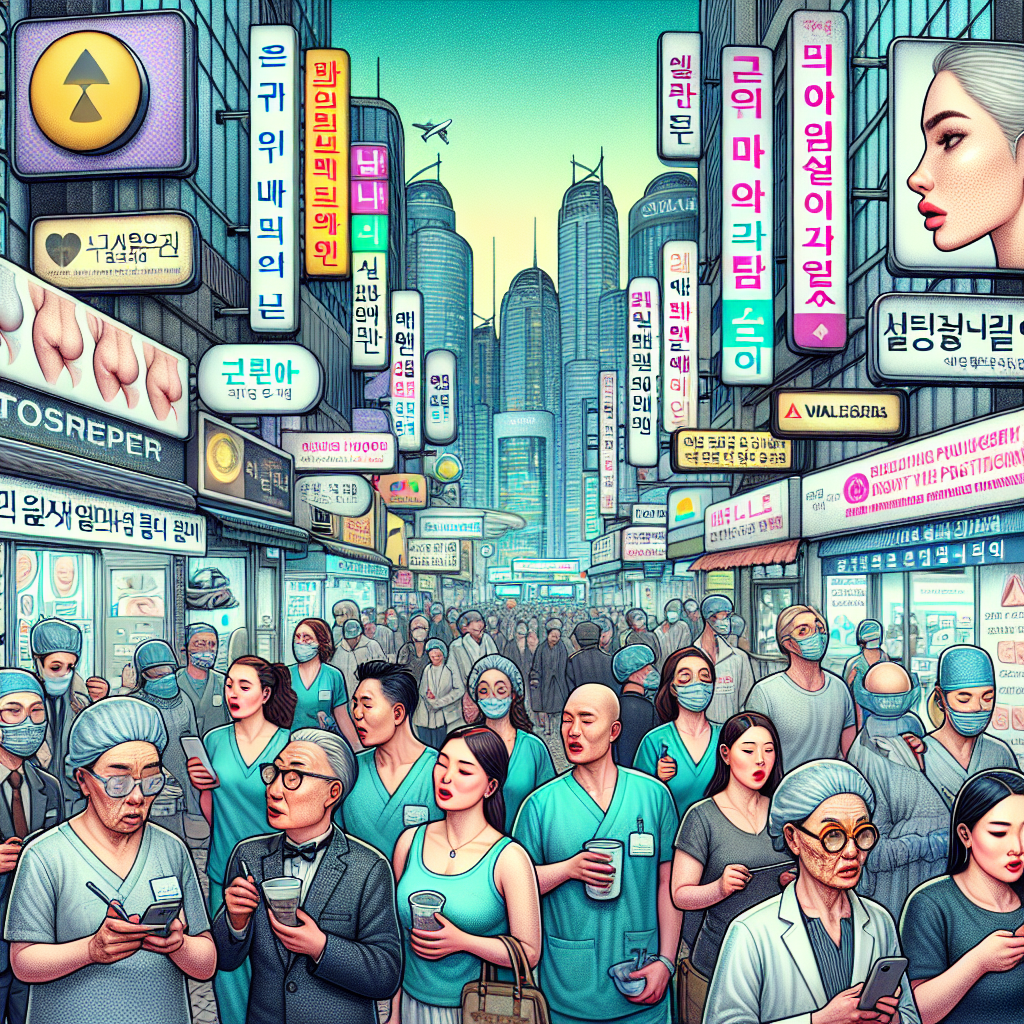
South Korea has become a global hub for beauty tourism, attracting thousands of international visitors seeking cosmetic enhancements. The country’s advanced technology, skilled practitioners, and competitive pricing make it a top destination for those looking to enhance their appearance.

Key Drivers of the Boom
- Advanced Techniques: South Korea is renowned for its cutting-edge cosmetic procedures and innovative beauty treatments.
- Affordability: Competitive pricing compared to Western countries makes it an attractive option for international clients.
- Cultural Influence: The global popularity of K-pop and Korean dramas has fueled interest in achieving the “Korean look.”
Risks of Unregulated Practices
Despite the allure, the rapid growth of beauty tourism in South Korea has led to concerns about unregulated practices. Many clinics operate without proper oversight, posing significant risks to patients.


Potential Dangers
- Unlicensed Practitioners: Some clinics employ unqualified staff, increasing the risk of complications.
- Lack of Post-Operative Care: International patients may face challenges in receiving follow-up care once they return home.
- Language Barriers: Miscommunication between patients and practitioners can lead to unsatisfactory results or misunderstandings about procedures.
Efforts to Mitigate Risks
To address these concerns, South Korean authorities and industry stakeholders are working to implement stricter regulations and improve transparency in the beauty tourism sector.


Proposed Solutions
- Certification Programs: Initiatives to certify clinics and practitioners aim to ensure quality and safety standards.
- Enhanced Consumer Education: Providing comprehensive information to potential clients about the risks and necessary precautions.
- International Collaboration: Partnering with foreign governments to establish guidelines for post-operative care and patient safety.
Conclusion
South Korea’s beauty tourism industry continues to thrive, driven by its reputation for excellence and affordability. However, the sector faces significant challenges due to unregulated practices. By implementing stricter regulations and enhancing consumer education, South Korea aims to maintain its status as a leading destination for cosmetic procedures while ensuring the safety and satisfaction of its international clientele.















