
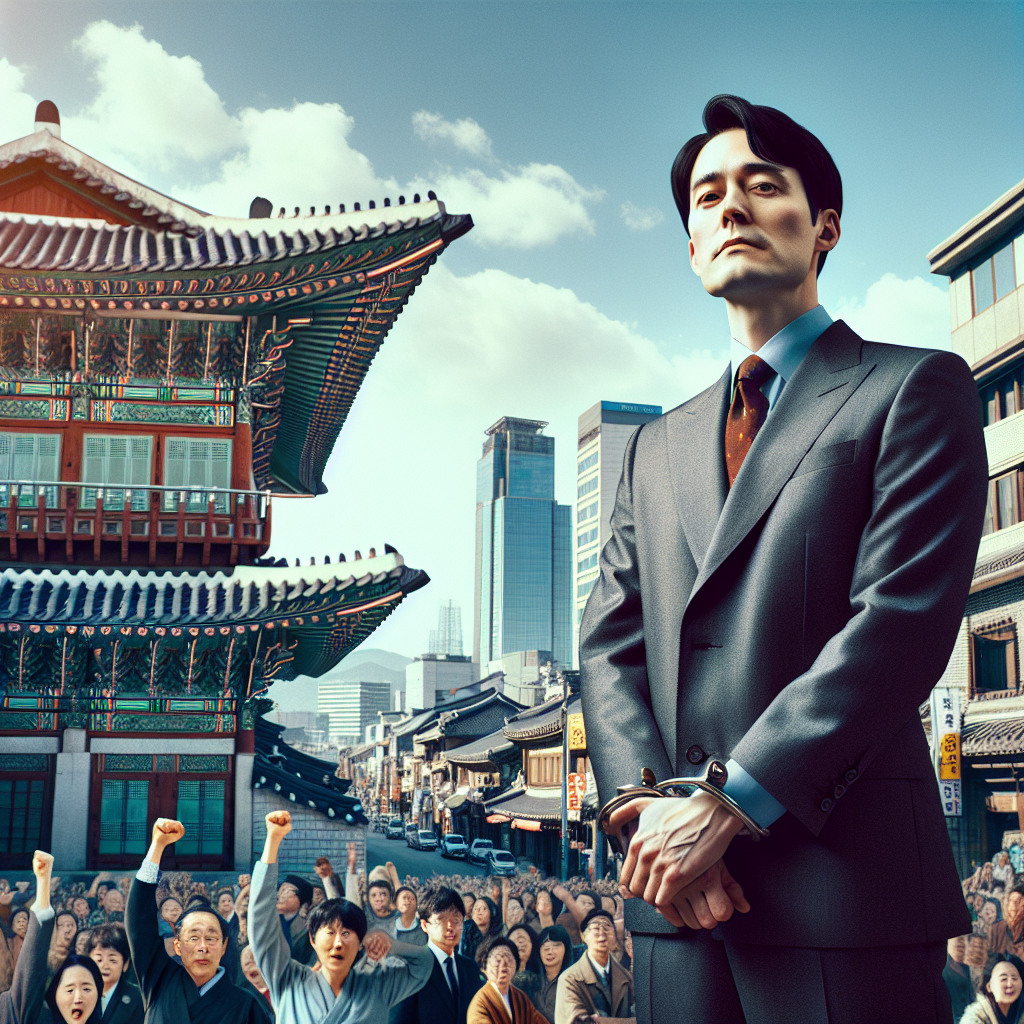
South Korea’s Former President Yoon Freed After Impeachment Sentence

South Korea’s Former President Yoon Freed After Impeachment Sentence
Background of the Impeachment
Former South Korean President Yoon was impeached following a series of political scandals that rocked the nation. The impeachment process was a significant event in South Korea’s political history, highlighting issues of corruption and abuse of power at the highest levels of government.

Key Events Leading to Yoon’s Release
- Yoon was initially sentenced to a lengthy prison term after being found guilty of multiple charges, including corruption and bribery.
- The impeachment and subsequent legal proceedings were marked by widespread public protests and political upheaval.
- After serving a portion of the sentence, Yoon was released, sparking mixed reactions across the country.
Public and Political Reactions
The release of Yoon has elicited varied responses from different sectors of society:


- Supporters: Some view the release as a step towards healing and moving forward from a tumultuous period in South Korea’s political landscape.
- Critics: Others argue that the release undermines the judicial process and accountability for political leaders.
- Political Analysts: Experts suggest that Yoon’s release could influence upcoming elections and the political climate in South Korea.
Implications for South Korea’s Political Future
The release of former President Yoon is likely to have lasting implications for South Korea’s political environment:


- Potential shifts in political alliances and power dynamics.
- Increased scrutiny on current and future leaders regarding transparency and ethical governance.
- Possible reforms in the judicial and political systems to prevent similar incidents.
Conclusion
The release of South Korea’s former President Yoon after serving part of his impeachment sentence marks a pivotal moment in the nation’s political history. While it offers a chance for political reconciliation, it also raises questions about justice and accountability. The event underscores the ongoing challenges and complexities within South Korea’s political landscape, with potential ramifications for its future governance and democratic processes.















