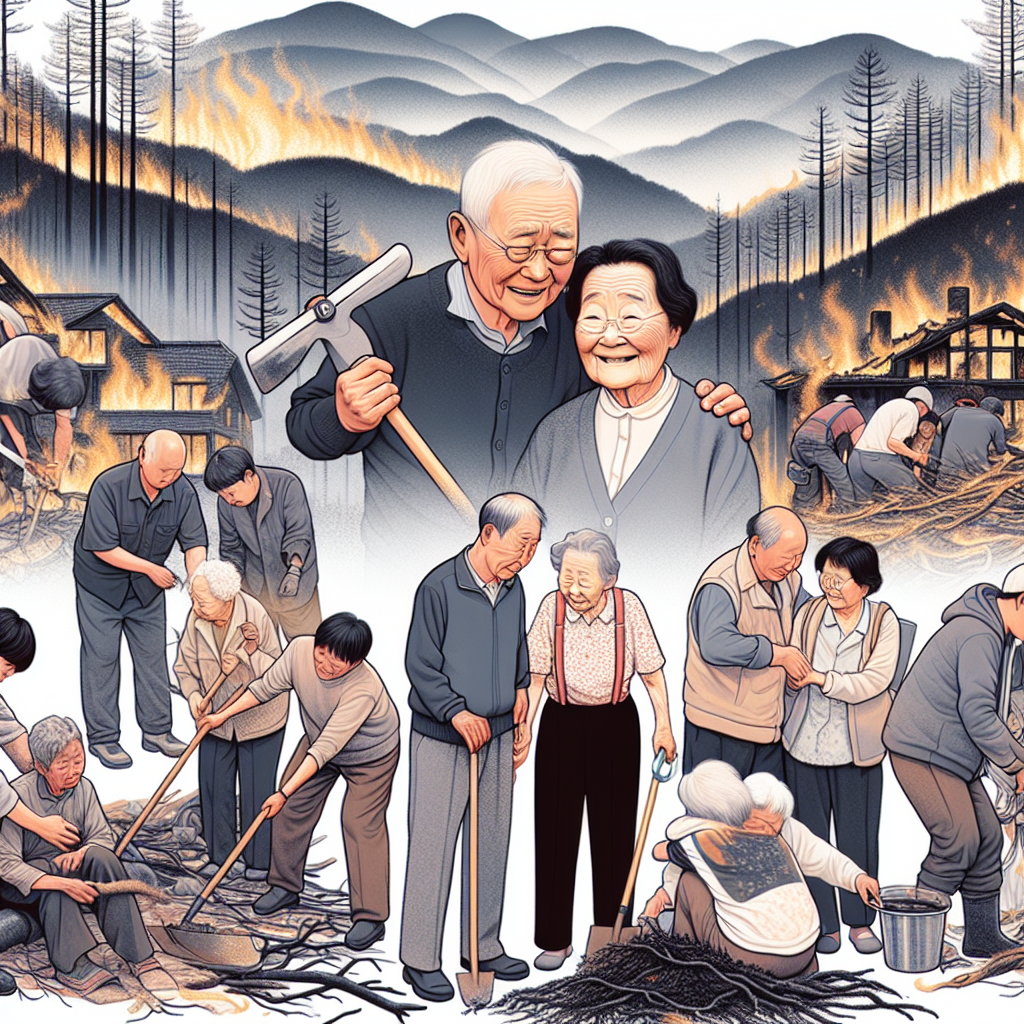
South Korea’s Wildfires Highlight Challenges of an Aging Society

South Korea’s Wildfires Highlight Challenges of an Aging Society
Introduction
Recent wildfires in South Korea have underscored the vulnerabilities of an aging population, revealing significant challenges in emergency response and community resilience. As the nation grapples with demographic shifts, these natural disasters highlight the urgent need for adaptive strategies.

Key Challenges Faced
- Limited Mobility: Many elderly residents face difficulties evacuating quickly due to physical limitations.
- Communication Barriers: Older adults may struggle with modern communication technologies, hindering timely alerts and updates.
- Healthcare Strain: Increased demand for medical assistance during emergencies places additional pressure on healthcare systems.
Government and Community Response
The South Korean government and local communities are taking steps to address these challenges:


- Improved Infrastructure: Enhancements in transportation and evacuation routes are being prioritized to aid swift evacuations.
- Technology Integration: Efforts are underway to make emergency communication more accessible to older adults.
- Community Support Networks: Strengthening local support systems to ensure the elderly receive necessary assistance during crises.
Future Implications
As South Korea continues to age, the frequency and impact of natural disasters like wildfires will necessitate ongoing adaptation. The country must balance immediate response improvements with long-term strategies to support its aging population.


Conclusion
The recent wildfires in South Korea serve as a stark reminder of the challenges posed by an aging society. Addressing these issues requires a multifaceted approach, combining infrastructure improvements, technological advancements, and community support to enhance resilience and ensure the safety of all citizens.