
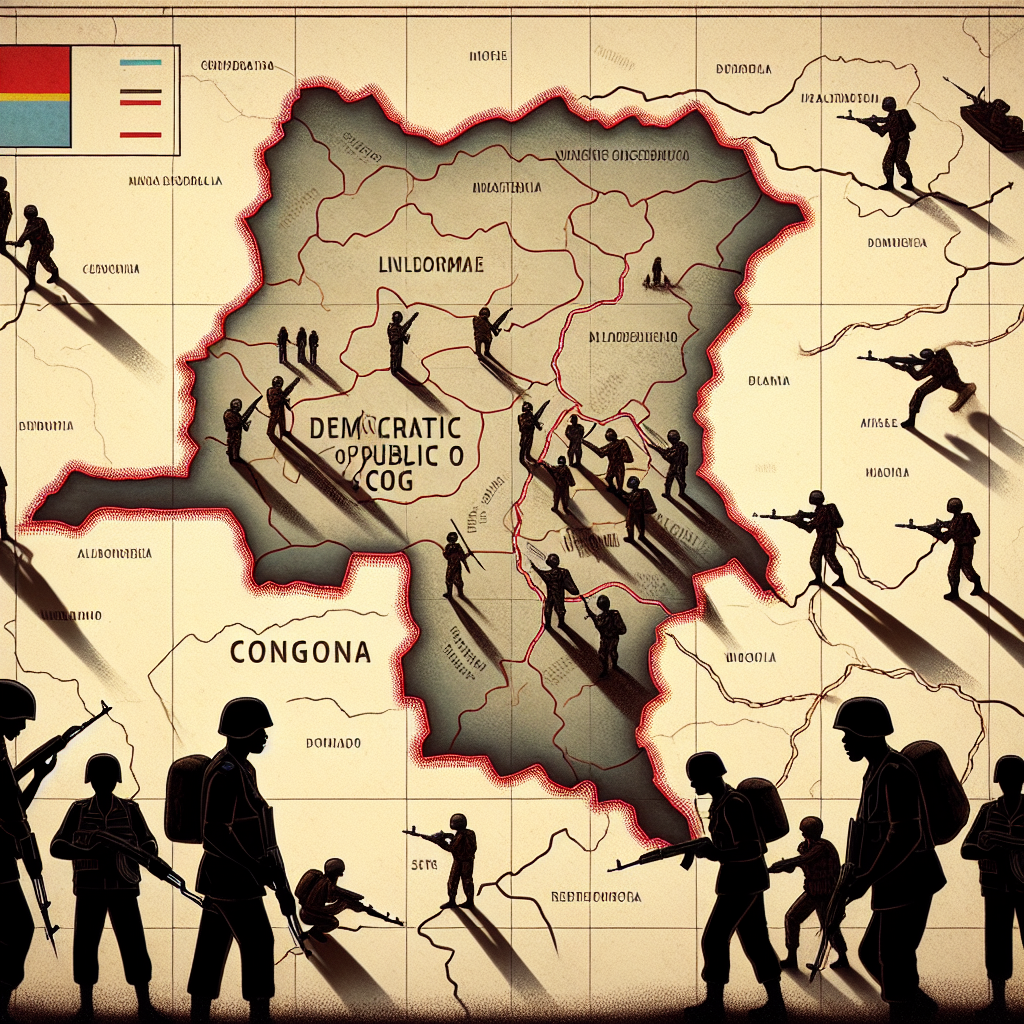
Southern Africa Bloc Plans Troop Withdrawal from DRC as M23 Advances

Southern Africa Bloc Plans Troop Withdrawal from DRC as M23 Advances
Background
The Southern African Development Community (SADC) has announced plans to withdraw its troops from the Democratic Republic of the Congo (DRC). This decision comes amidst escalating tensions and territorial gains by the M23 rebel group in the region.

Key Developments
- Troop Withdrawal: SADC’s decision to pull out its forces is seen as a strategic move in response to the evolving security situation in the DRC.
- M23 Advances: The M23 rebel group has been making significant territorial gains, raising concerns about stability in the region.
- Regional Implications: The withdrawal could have broader implications for regional security and the balance of power in Central Africa.
Reasons Behind the Withdrawal
The decision to withdraw troops is influenced by several factors:


- Resource Constraints: SADC countries face logistical and financial challenges in maintaining a prolonged military presence.
- Political Considerations: There is a growing sentiment among member states to prioritize diplomatic solutions over military interventions.
- Strategic Reassessment: The changing dynamics on the ground necessitate a reevaluation of military strategies and objectives.
Potential Consequences
The withdrawal of SADC troops could lead to:


- Increased Instability: The absence of SADC forces might embolden M23 and other rebel groups, potentially leading to further unrest.
- Humanitarian Concerns: Escalating conflict could exacerbate the humanitarian crisis, affecting thousands of civilians.
- International Response: The international community may need to reassess its role and support mechanisms in the DRC.
Conclusion
The planned withdrawal of SADC troops from the DRC marks a significant shift in the region’s security landscape. As the M23 rebel group continues to advance, the decision underscores the complexities of balancing military intervention with diplomatic efforts. The move raises critical questions about the future of peace and stability in Central Africa, highlighting the need for a coordinated international response to address the evolving challenges.















