
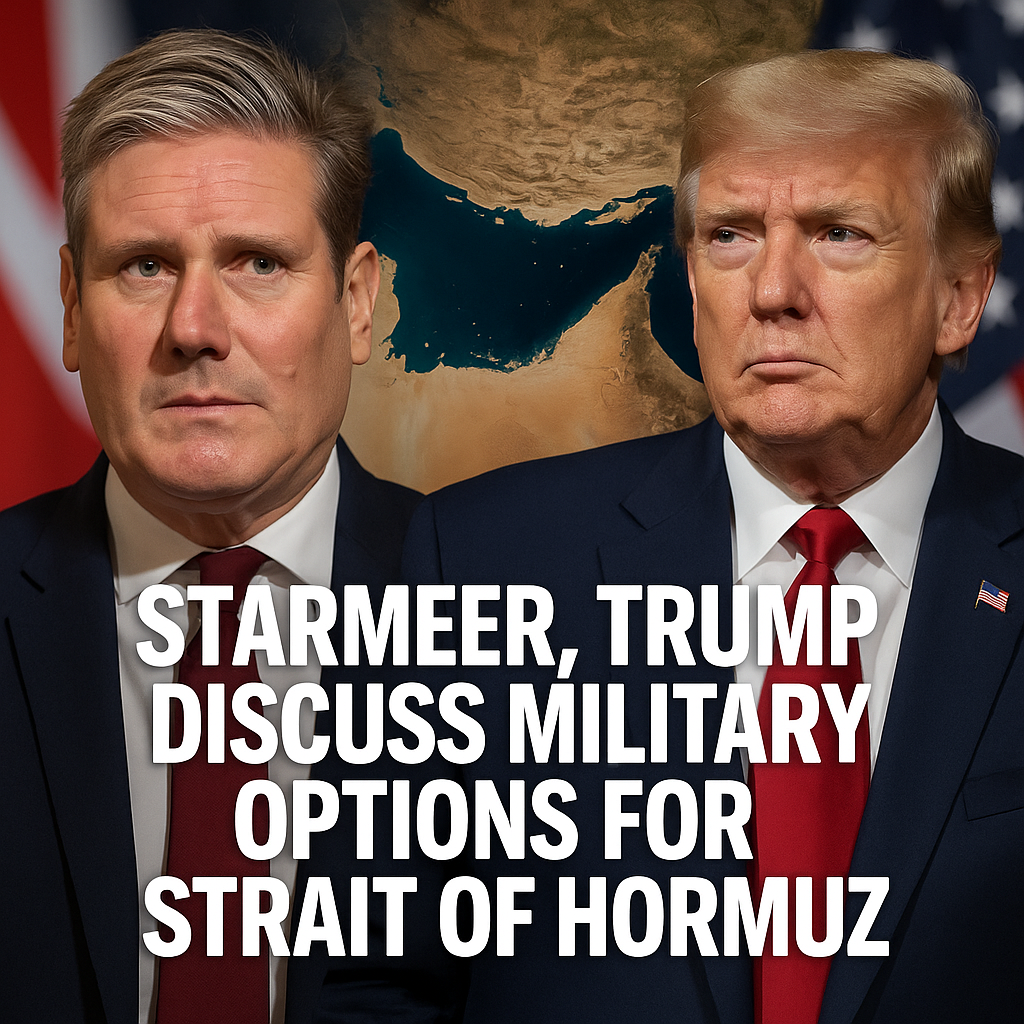
Starmer, Trump Discuss Military Options for Strait of Hormuz

Starmer and Trump Discuss Military Options for Strait of Hormuz
Recent discussions between UK Labour leader Keir Starmer and former President Donald Trump regarding the Strait of Hormuz have introduced new dynamics to the ongoing geopolitical tensions in the region. As both leaders consider potential military options, their dialogue reflects broader concerns about maritime security, energy supply routes, and the escalating strains between Western powers and Iran.

The Significance of the Strait of Hormuz
The Strait of Hormuz is a vital waterway, through which approximately 20% of the world’s oil trade passes daily. Its strategic importance cannot be understated, and any instability in this region can have far-reaching impacts globally. Following recent skirmishes and tensions involving Iranian forces and various naval operations by Western countries, both Starmer and Trump have indicated a shared interest in exploring military strategies to ensure freedom of navigation.


Divergent Perspectives on Military Engagement
Starmer’s approach seems to be deeply rooted in a call for diplomatic engagement before considering military action. His party’s platform emphasizes the importance of collective security and reliance on international coalitions, reflecting a more traditional stance among liberal democracies. In this context, military options are viewed as a last resort. During a recent interview, Starmer stated, “While we recognize the need for robust security measures, we must focus on diplomatic avenues as the primary pathway to stability.”


Conversely, Trump’s positioning is reflective of a more hawkish strategy, advocating for a decisive military presence to deter perceived threats from Iran. This approach aligns with his previous tenure when the U.S. exited the Iran nuclear deal and implemented a “maximum pressure” campaign against Tehran. Trump argued that “showing strength is essential in this global theater,” underscoring his belief that only a formidable military stance can safeguard key trade routes.
The Broader Implications of Military Options
The divergence in Starmer and Trump’s approaches raises essential questions about the potential implications of military action in the Strait of Hormuz:
– Economic Impact: Military intervention could lead to increased oil prices, prolonged conflicts, and overall instability in the Gulf region, impacting the global economy.
– Diplomatic Relationships: Escalation can strain relationships not only with Iran but also with other countries in the region that may view U.S. or UK military presence as aggressive.
– Domestic Politics: Both leaders face scrutiny at home; Starmer’s cautious stance must address criticism from those who advocate for stronger action, while Trump’s call for military responses can provoke backlash from anti-war factions.
Navigating the Path Forward
Navigating a balanced approach to security in the Strait of Hormuz requires both leaders—and their respective countries—to weigh the risks versus the rewards of their proposed military strategies. Cooperation with allies is vital in establishing a unified stance towards Iran while avoiding counterproductive escalations.
Engaging in consistent dialogue with regional powers, promoting stability through economic partnerships, and investing in joint military exercises can help build confidence and diminish tensions. Additionally, a focus on intelligence-sharing and enhanced surveillance may serve as deterrents without the immediate need for ground or naval forces.
Conclusion: A Complex Geopolitical Landscape
The discussions between Starmer and Trump highlight the complexity of addressing security challenges in the Strait of Hormuz. While their proposed military options reflect their differing worldviews, they also point to a necessity for collaboration and comprehensive strategy. As tensions continue to simmer, it will be crucial for the international community to remain engaged in dialogue, highlighting the importance of diplomacy alongside defense in securing one of the world’s most vital maritime passages.
In considering the future of military involvement in the Strait of Hormuz, it is evident that finding common ground while respecting diverse international perspectives will ultimately define the success of any potential actions taken by Western leaders.















