
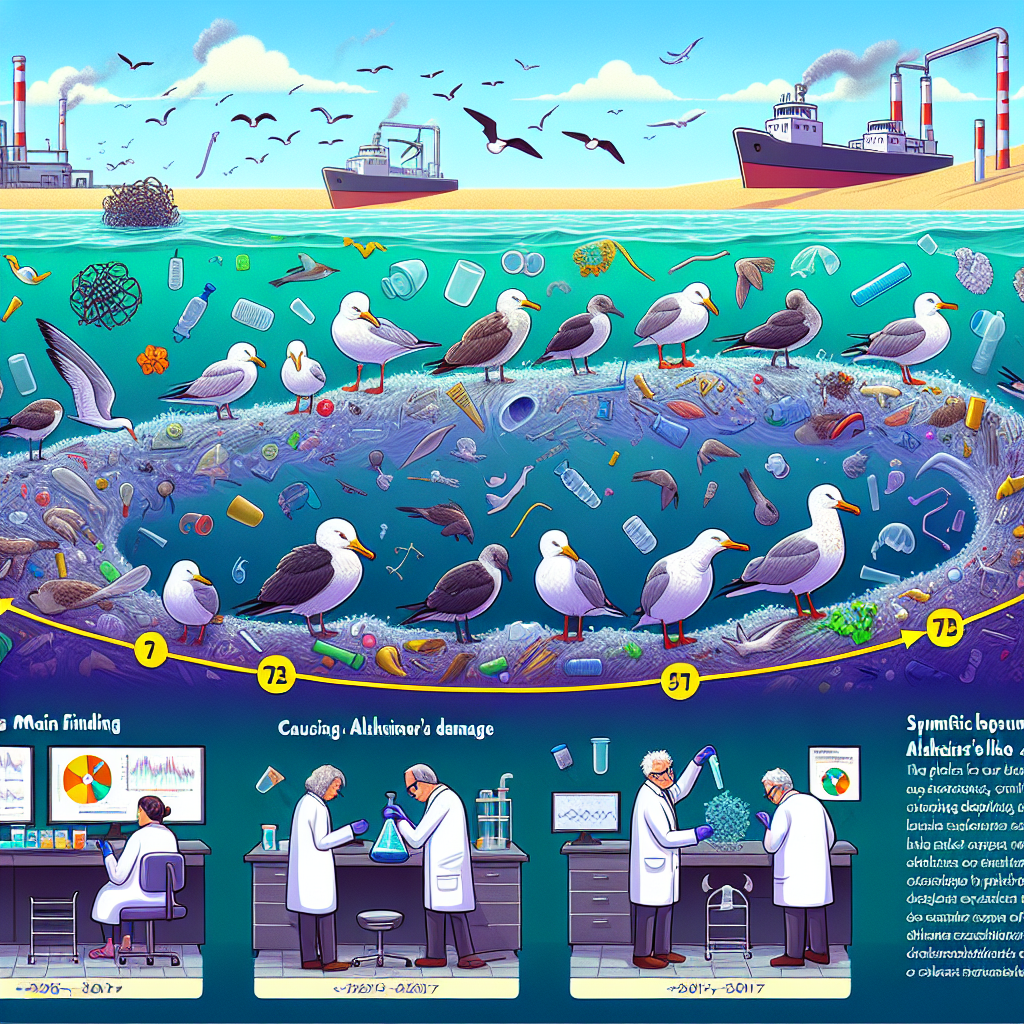
Study Finds Discarded Plastic Causes Alzheimer’s-like Damage in Seabirds

Study Reveals Alarming Impact of Discarded Plastic on Seabirds
Introduction
A recent study has uncovered a disturbing link between discarded plastic waste and Alzheimer’s-like brain damage in seabirds. This groundbreaking research highlights the severe environmental and biological consequences of plastic pollution in marine ecosystems.

Key Findings
- Neurotoxic Effects: The study found that chemicals leaching from ingested plastics can cause neurological damage in seabirds, similar to the effects of Alzheimer’s disease in humans.
- Widespread Impact: A significant number of seabird species are affected, indicating a broad ecological threat.
- Biomarker Identification: Researchers identified specific biomarkers in the birds’ brains that are indicative of neurodegenerative damage.
Implications for Marine Life
The findings suggest that plastic pollution poses a more insidious threat to marine life than previously understood. The neurotoxic effects could impair seabirds’ cognitive functions, affecting their survival and reproduction.


Call to Action
Researchers urge immediate action to reduce plastic waste and mitigate its impact on marine ecosystems. This includes stricter regulations on plastic production and disposal, as well as increased public awareness and conservation efforts.


Conclusion
This study underscores the urgent need to address plastic pollution, not only for the health of seabirds but for the broader marine environment. The discovery of Alzheimer’s-like damage in seabirds serves as a stark reminder of the far-reaching consequences of human activities on wildlife.












