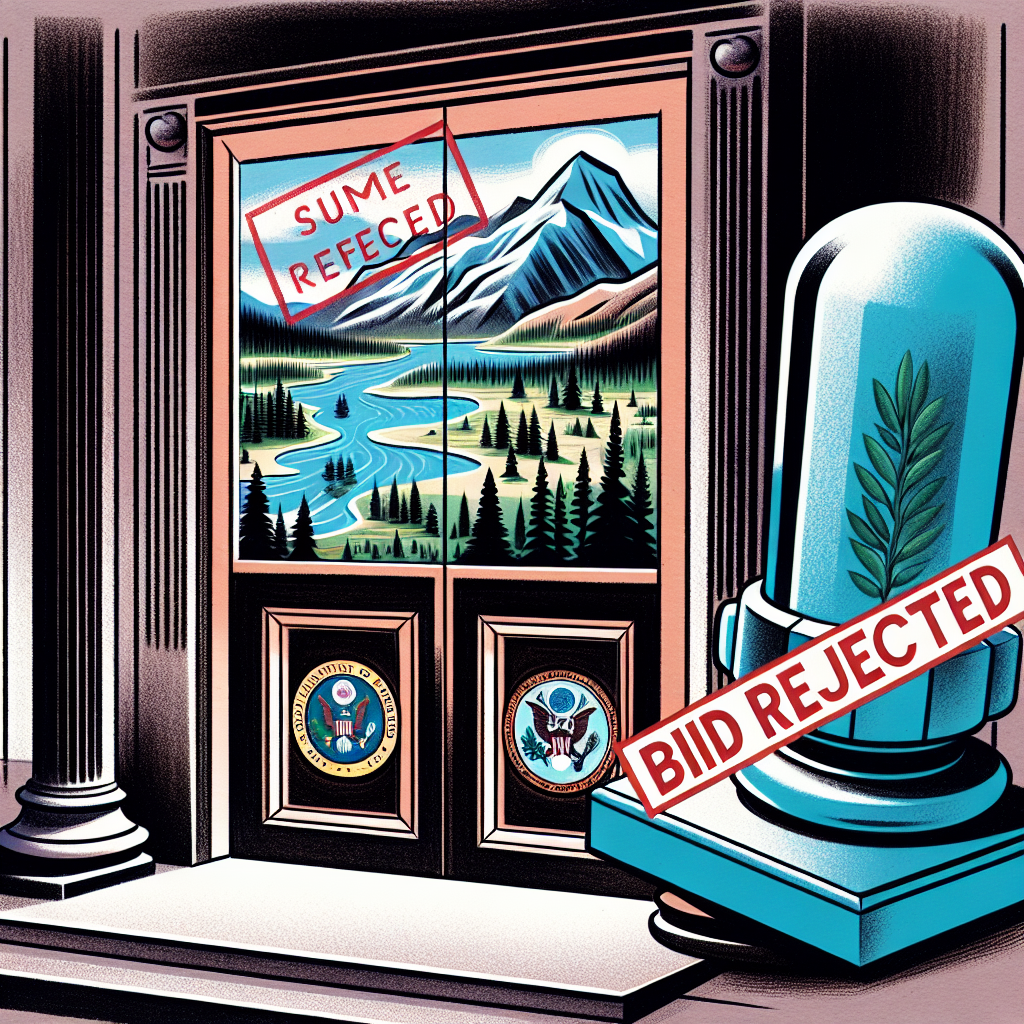
Supreme Court Rejects Utah’s Bid to Take Over Federal Public Lands

Supreme Court Rejects Utah’s Bid to Take Over Federal Public Lands
Overview
The United States Supreme Court has declined to hear Utah’s appeal to gain control over federal public lands within its borders. This decision marks a significant moment in the ongoing debate over state versus federal land management.

Background
Utah has long sought to manage the vast tracts of federal land within its boundaries, arguing that state control would lead to better management and economic benefits. The state filed a lawsuit aiming to transfer control of these lands from federal to state hands.


Key Points
- Federal Land Management: The federal government currently manages approximately two-thirds of Utah’s land, including national parks, forests, and monuments.
- State’s Argument: Utah officials argued that state management would improve land use efficiency and boost local economies.
- Legal Journey: The case has been in the legal system for several years, with lower courts consistently ruling against Utah’s claims.
- Supreme Court Decision: By refusing to hear the case, the Supreme Court effectively upholds the lower court’s decision, maintaining federal control over the lands.
Implications
This decision reinforces the federal government’s authority over public lands, setting a precedent for similar cases in other states. It also highlights the ongoing tension between state and federal interests in land management.


Conclusion
The Supreme Court’s refusal to hear Utah’s case underscores the enduring complexity of land management in the United States. While Utah’s bid was unsuccessful, the debate over state versus federal control of public lands is likely to continue, as states seek greater autonomy over their natural resources.