The UK is recalibrating its stance on Russian oil sanctions, navigating tough choices between energy security and geopolitical pressures—just when you thought the energy landscape couldnt get any more complex! Discover what this means for rising fuel prices and your wallet.
In a controversial move, the U.S. has renewed its waiver allowing the import of Russian oil, igniting fierce debates about the balance between energy stability and the effectiveness of sanctions. As winter looms, this decision raises critical questions about Americas energy future and its geopolitical stance.
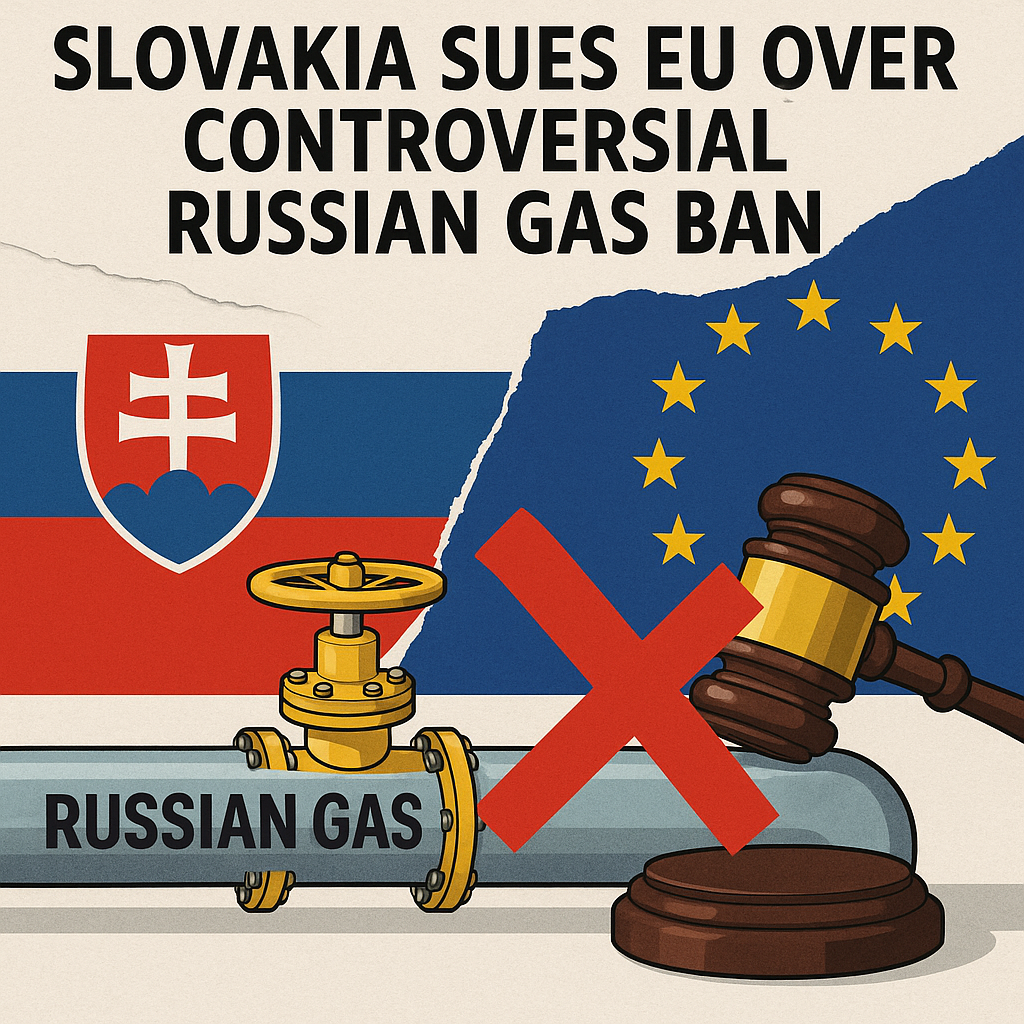
Slovakia is taking a bold stand by suing the EU over its controversial ban on Russian gas, arguing that this decision unfairly jeopardizes its economic stability. As the nation grapples with the fallout, questions arise about balancing energy independence with the unique challenges smaller member states face.
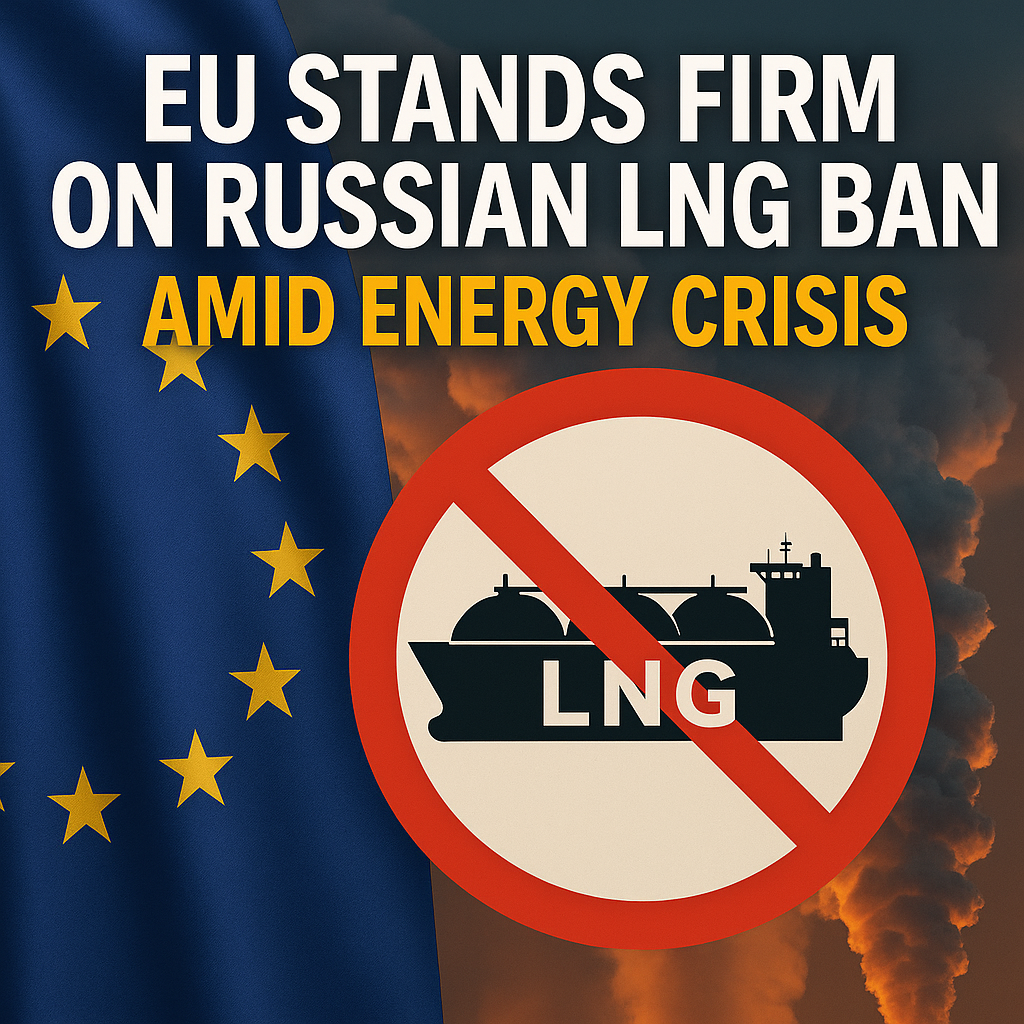
The EU is standing strong with its ban on Russian LNG, navigating the stormy waters of an energy crisis while affirming its commitment to accountability and independence. As winter approaches and energy prices soar, this bold move signifies a collective resolve to protect both its values and its future.
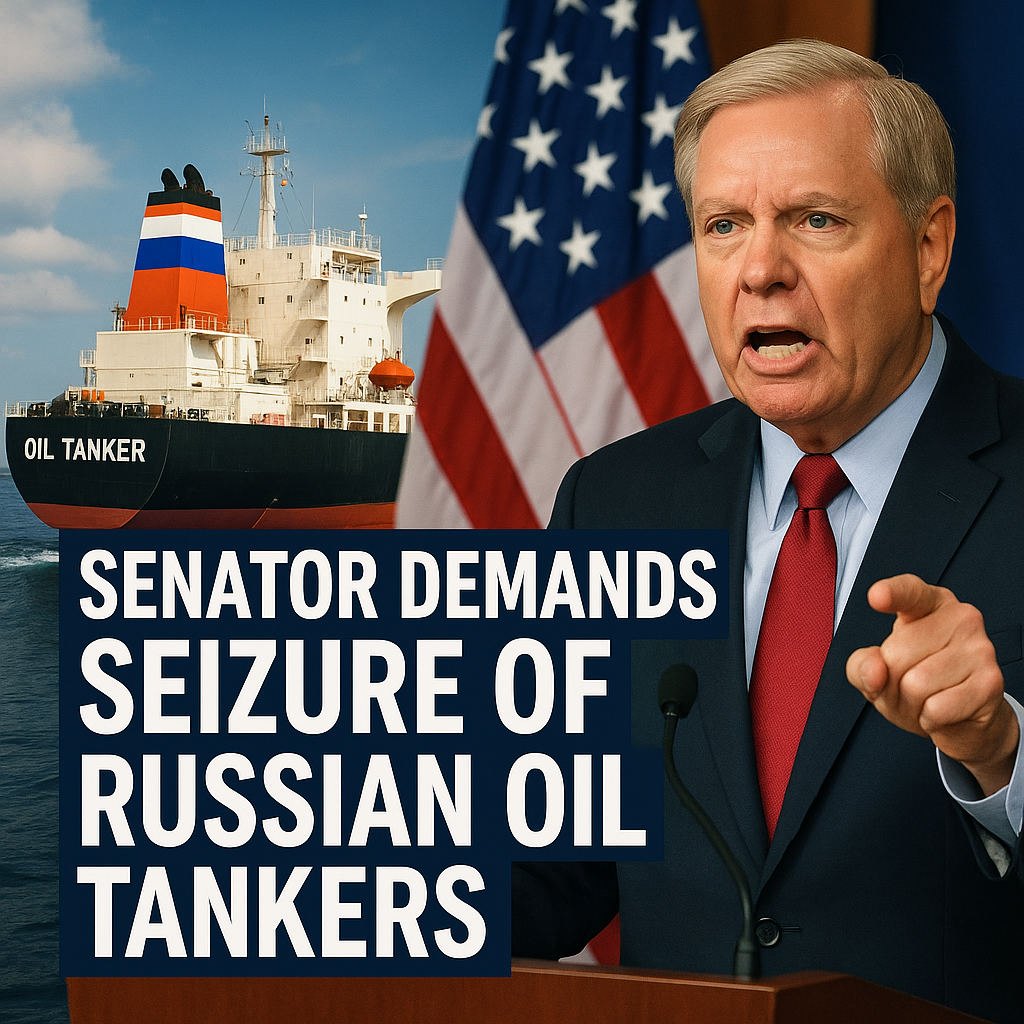
US Senator Lindsey Graham is pushing for the bold seizure of Russian oil tankers to ramp up pressure on Putin amid ongoing tensions. His call to action reflects a growing sentiment among lawmakers to hit Russia where it hurts, but opinions diverge on the potential fallout for global oil markets.
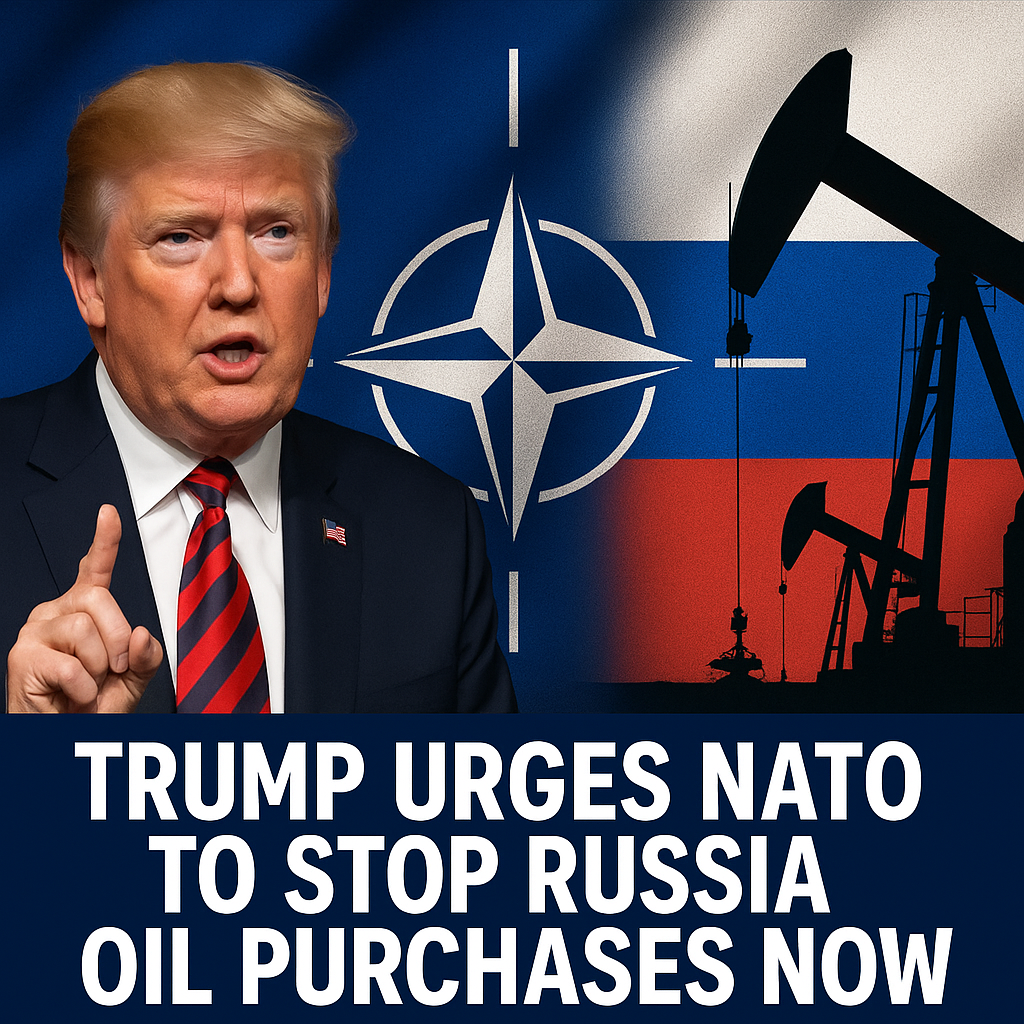
Trump is urging NATO to unite and cut off oil purchases from Russia now, emphasizing that this crucial step is key to supporting Ukraine and enhancing global security. As tensions rise, it’s time for allies to prioritize energy independence and stand firm against aggression!