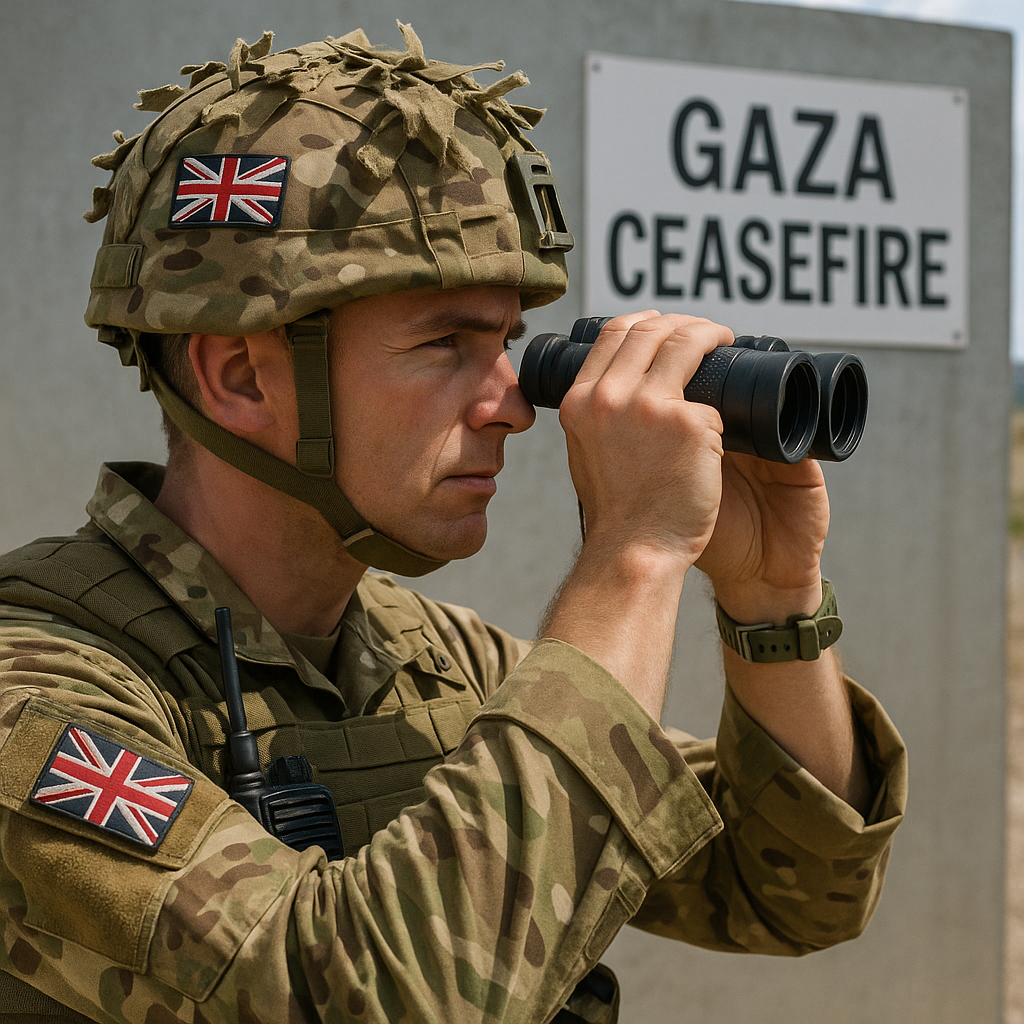
In a vibrant step towards peace, British troops are now on the ground in Israel, tasked with monitoring the delicate ceasefire in Gaza—a move sparked by a U.S. request that could reshape the regions future. While hopes are high for stability, questions about foreign military presence linger in the air.
Former President Trump claims that some Middle Eastern allies are ready to stand against Hamas, hinting at shifting alliances in an already complex landscape. But while the rhetoric heats up, the reality of military involvement may be more nuanced than it appears.
Trumps bold vow to eradicate Hamas is sparking vital conversations about U.S. foreign policy and its far-reaching effects in the Middle East—are decisive actions the key to stability, or could they fuel further conflict? Dive into the differing perspectives that make this an urgent topic today!
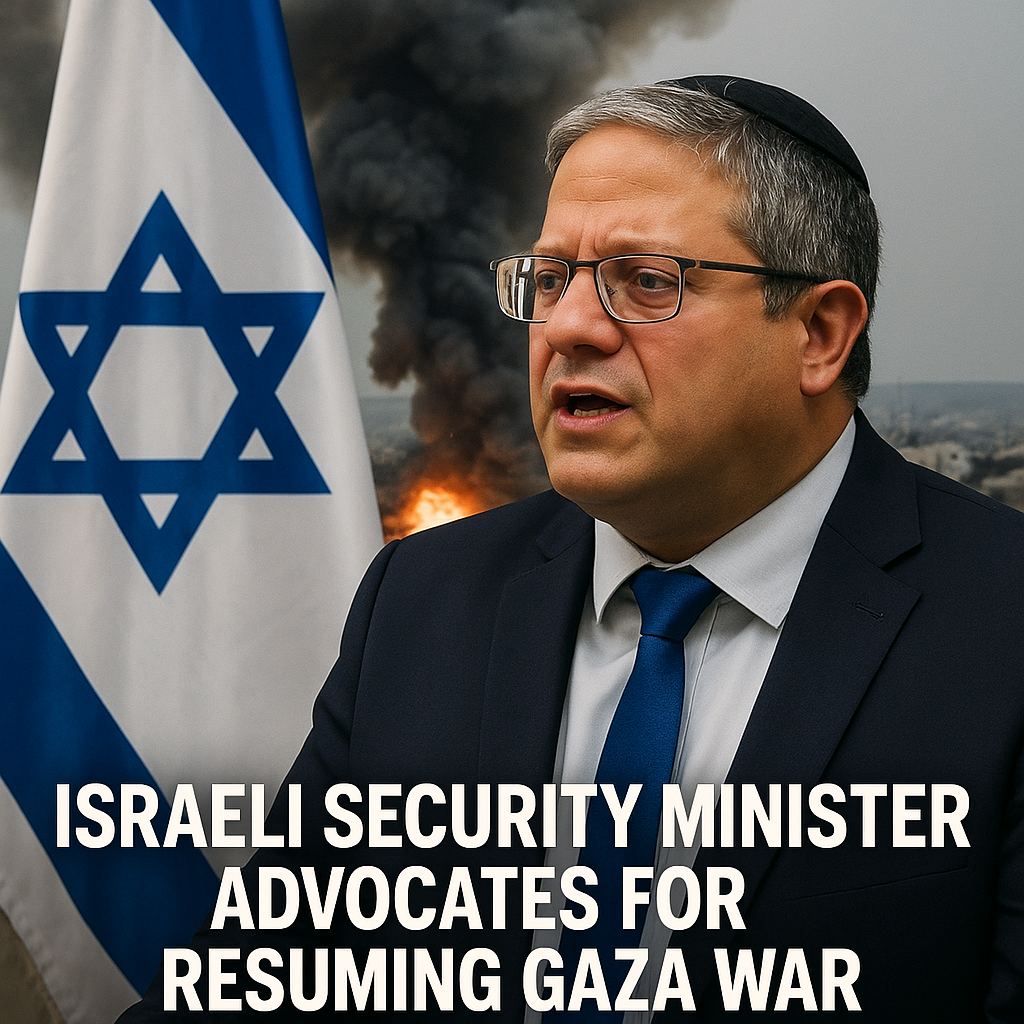
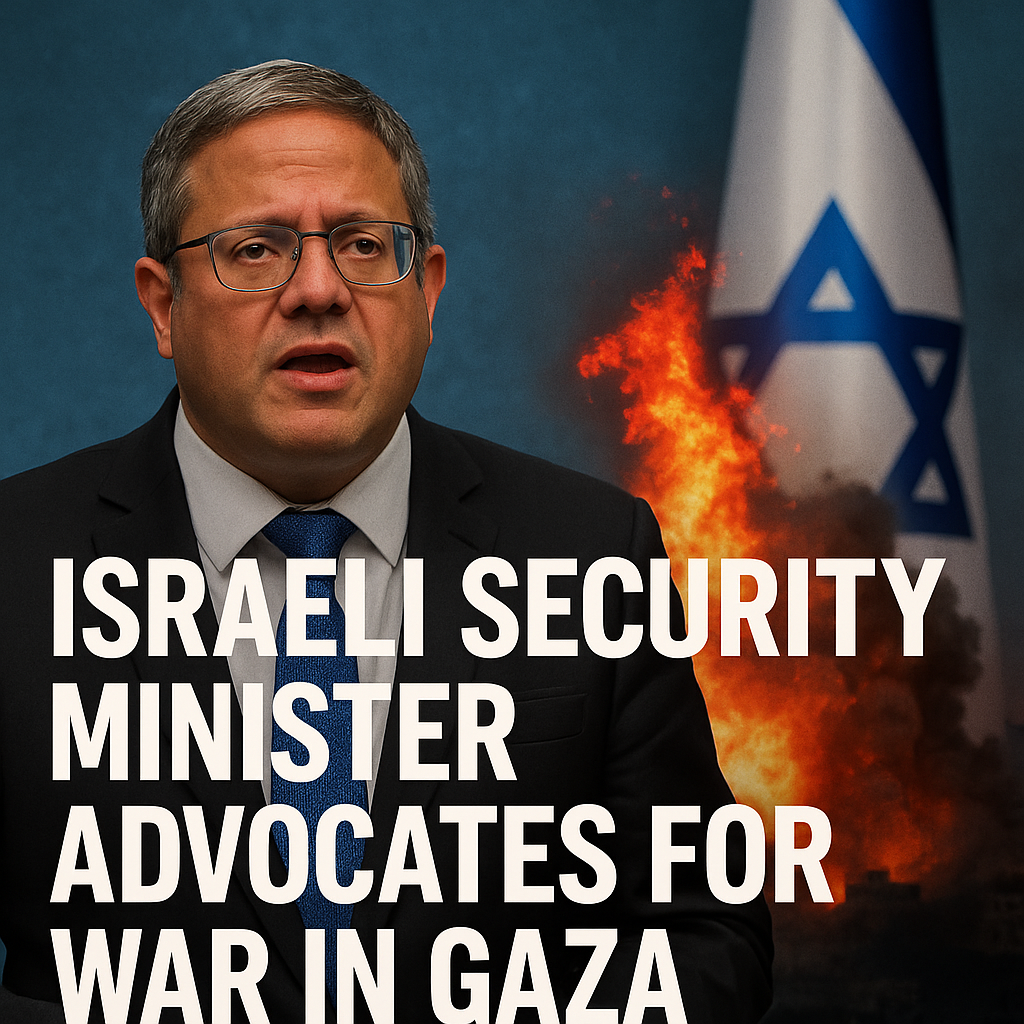
Israeli Minister Itamar Ben-Gvir has shaken the political landscape with his audacious call to conquer, crush, win in Gaza, igniting fierce debates about the future of peace and security in the region. As tensions rise, his aggressive stance reflects a growing frustration among those who believe only a powerful military response can alter the course of this prolonged conflict.
As tensions flare once again, Israeli Security Minister Itamar Ben-Gvirs call to resume military operations in Gaza has ignited a passionate debate about the fine line between national security and humanitarian impact. Join the conversation as we explore the complexities of this evolving crisis!
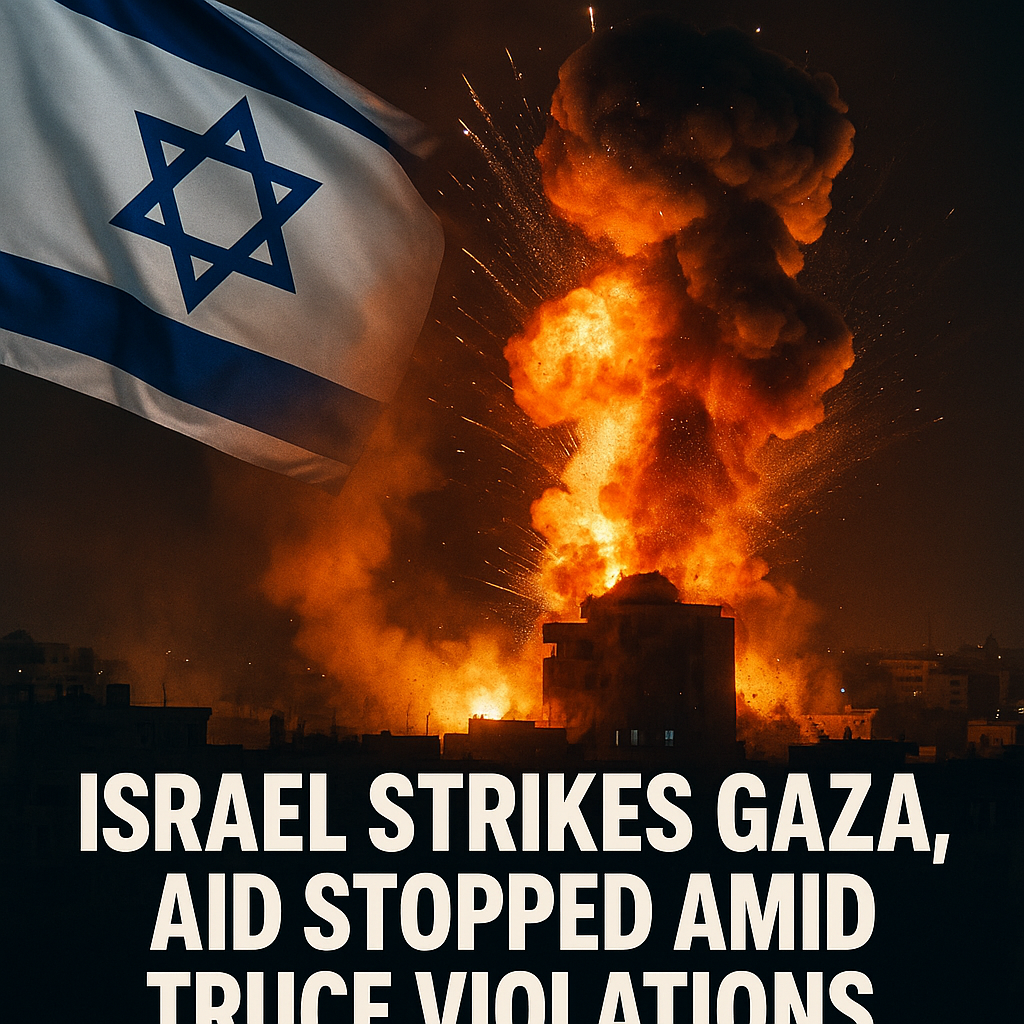
Tensions are skyrocketing as Israel launches strikes on Gaza, halting crucial humanitarian aid amidst claims of truce violations by both sides. The worsening situation has left many families in desperate need, amplifying the urgency for peace in this turbulent region.
In a provocative move, Israeli Security Minister Itamar Ben-Gvir is calling for a resumption of military action in Gaza, igniting a passionate debate about safety, security, and the humanitarian consequences of escalating conflict. As tensions rise, voices on both sides raise critical questions about the balance between defense and the dire impacts on innocent lives.
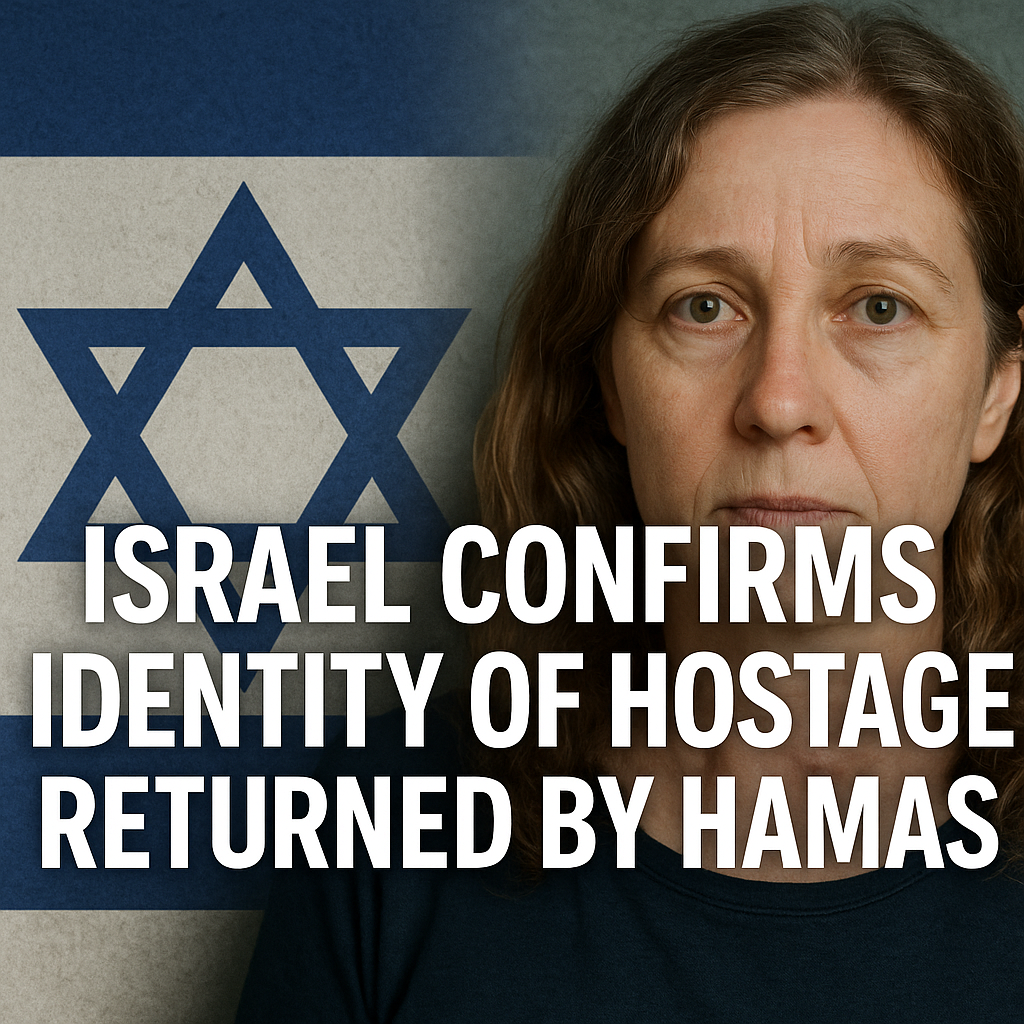
In a pivotal moment within the ongoing conflict, Israel has confirmed the identity of a hostage returned by Hamas, igniting both hope and tension among families awaiting news. This significant exchange not only highlights the emotional weight of the situation but also underscores the complex dynamics of Israeli-Palestinian relations moving forward.
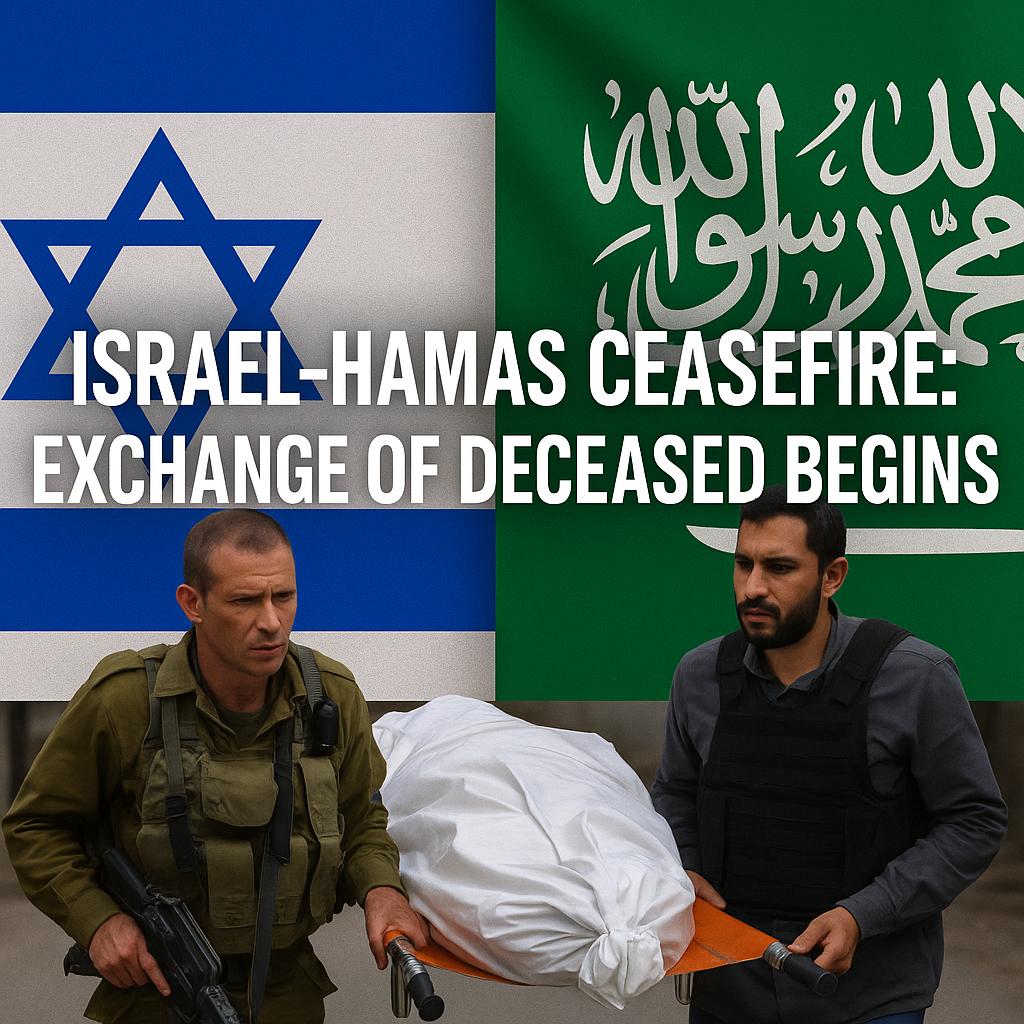
As a ceasefire opens a door for the exchange of deceased individuals between Israel and Hamas, families on both sides grasp a glimmer of hope, seeking solace amidst the heartbreak of loss. This poignant moment, while a step toward healing, invites us to reflect on the deeper complexities of peace in a troubled region.
In a poignant twist amidst the ongoing conflict, Hamas has returned the remains of Israeli hostages, igniting a complex dialogue about healing and reconciliation. While some families find a flicker of closure, others debate the motives behind this delicate gesture.