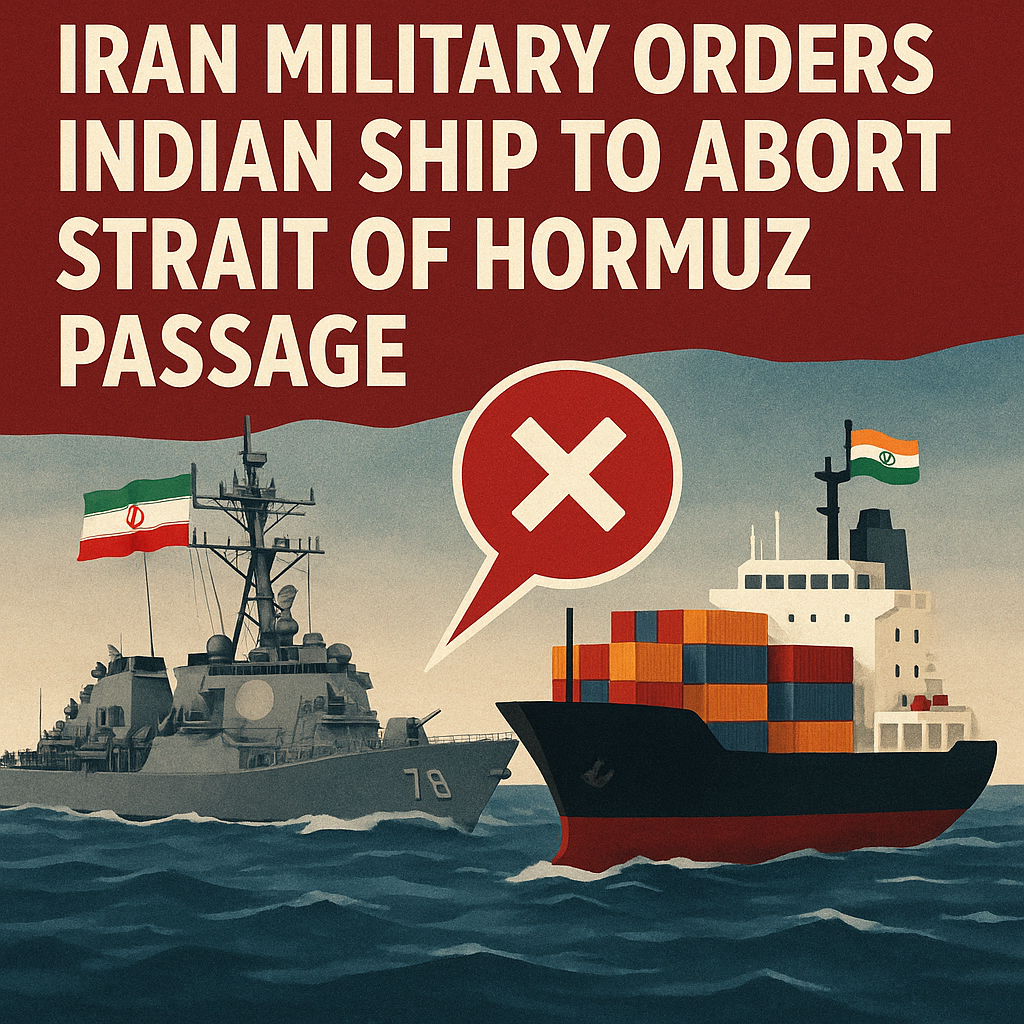
Tensions are on the rise as Irans military orders an Indian ship to divert from the crucial Strait of Hormuz, stirring concerns over maritime security and the geopolitical landscape of the Persian Gulf. With 20% of the world’s oil passing through this vital waterway, every incident here has the potential to ripple through global markets and international relations.
In a bold declaration, Rosatom’s CEO revealed that Russia is keeping its uranium supply offer open for Iran, deepening their growing partnership and stirring debate about the future of global nuclear oversight. As geopolitical tensions rise, this move not only solidifies ties but also raises critical questions about nuclear intentions in the region.
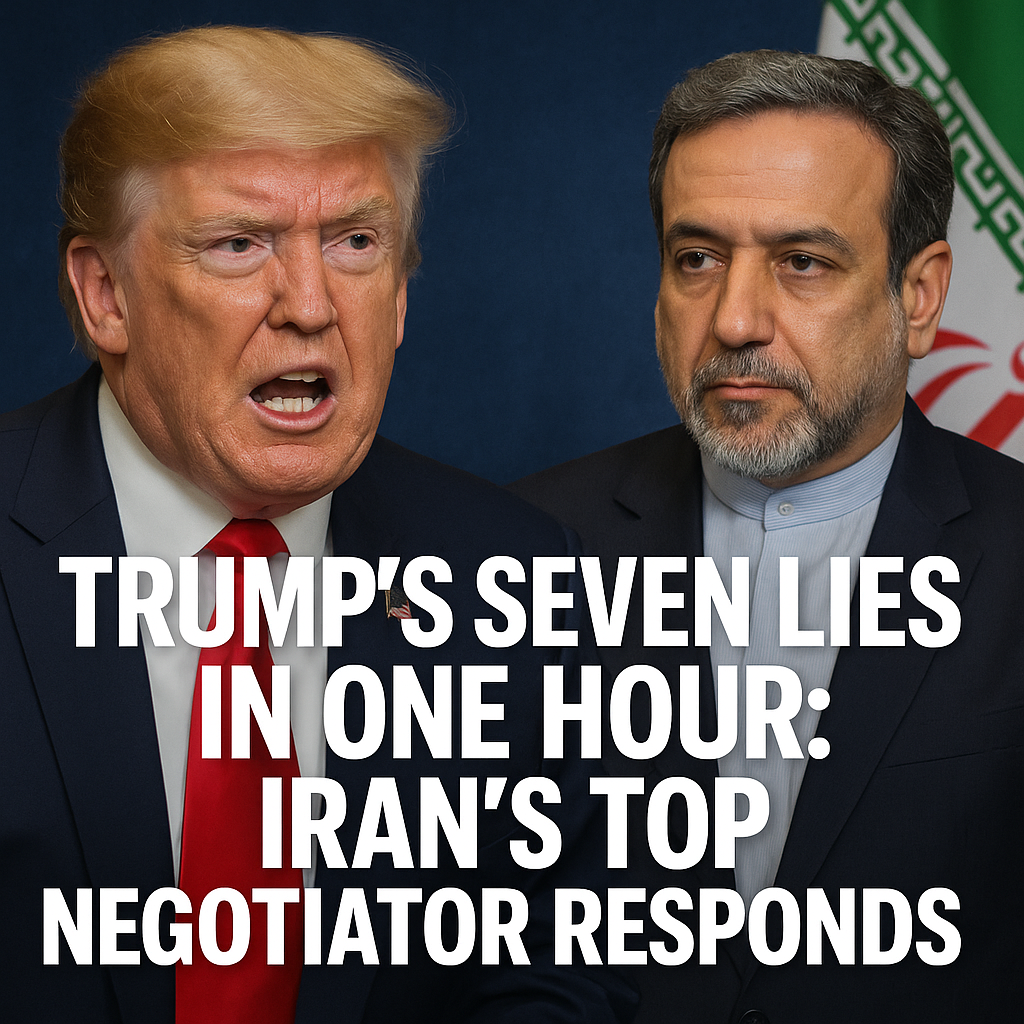
In a whirlwind of rhetoric, Trump recently fired off seven lies in one hour that stirred up controversy, prompting a sharp response from Irans chief negotiator, Ali Bagheri Kani. Dive into the tangled web of claims and counterclaims as these two giants navigate the delicate dance of diplomacy!
Irans swift dismissal of Trumps nuclear material claims reveals a tangled web of perspectives in the ongoing global dialogue about its nuclear ambitions. This clash underscores the complexities of diplomacy, trust, and the competing narratives shaping our understanding of Irans role on the world stage.
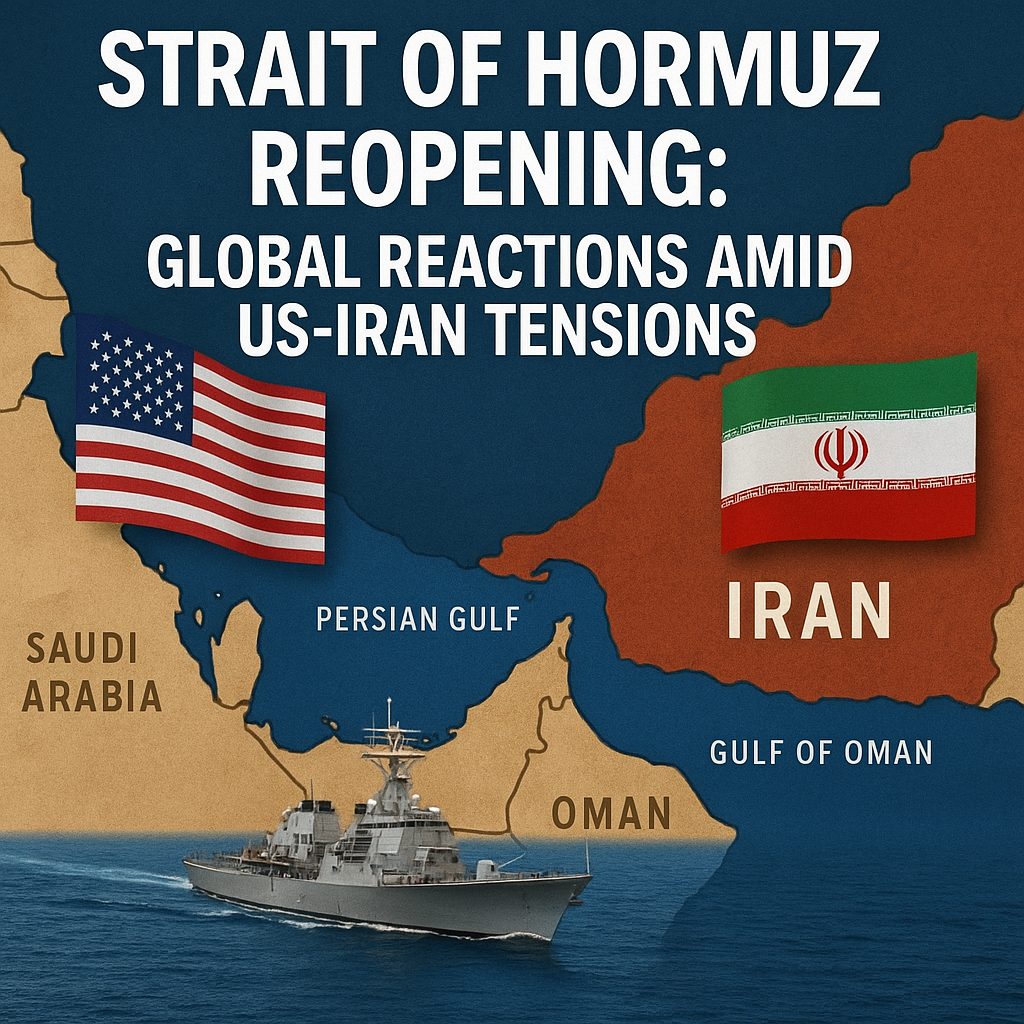
The reopening of the Strait of Hormuz has ignited a flurry of global reactions, stirring the pot in the ongoing U.S.-Iran tensions and raising questions about regional stability and the future of international oil trade. How will this vital maritime corridor shape the geopolitical landscape in the days to come?
Former President Trumps recent remarks hint at a possible dialogue with Iran, sparking renewed hope and skepticism about U.S.-Iran relations. Could this be the key to unlocking a more stable Middle East, or just another twist in a long saga of diplomatic tensions?
In a bold statement, former President Trump advises NATO to stay away from the Strait of Hormuz, sparking a heated debate on military strategy and international alliances. What do you think—should NATO focus on its European roots, or is a presence in the Middle East essential for global stability?
Curious about Cubas secret letter to Trump? This intriguing diplomatic outreach hints at a potential thaw in U.S.-Cuba relations—explore what this could mean for future ties and the impact on Cuban-American perspectives!
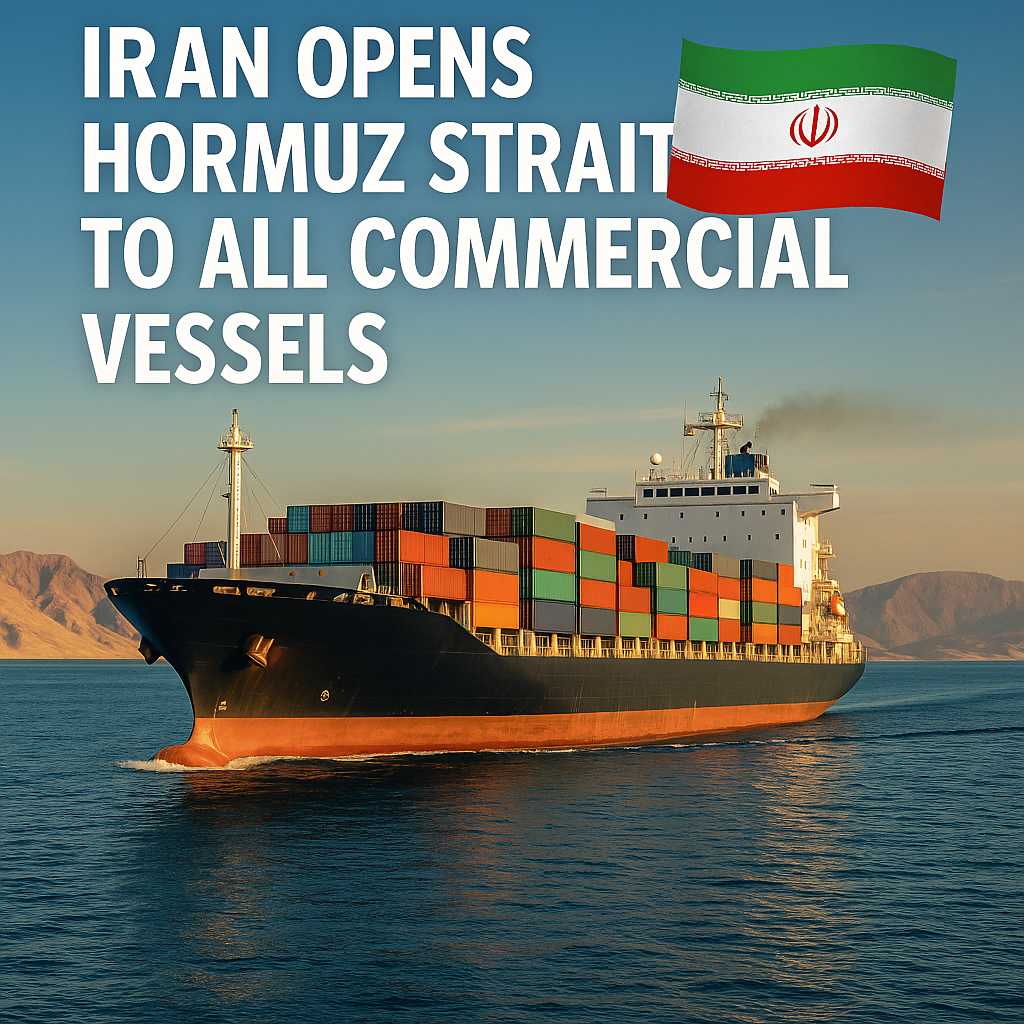
Irans surprising decision to open the Hormuz Strait to all commercial vessels is a bold move that could reshape global shipping and energy dynamics—sparking both excitement and caution worldwide!
Cuba is at a crossroads, grappling with the weight of U.S. policy as its economy crumbles under an oil blockade, leaving countless citizens in desperate need. With public sentiment shifting and pressing humanitarian concerns on the rise, what’s next for the future of this resilient island nation?