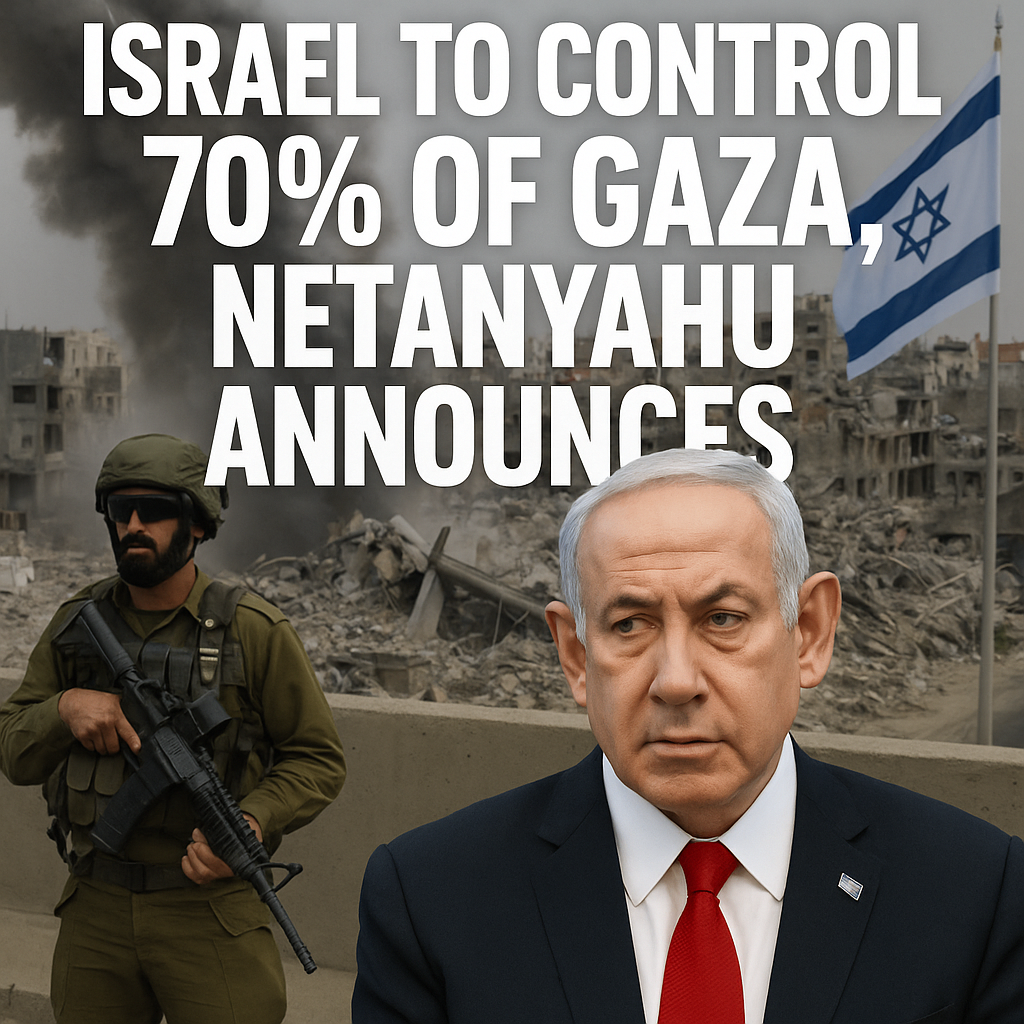
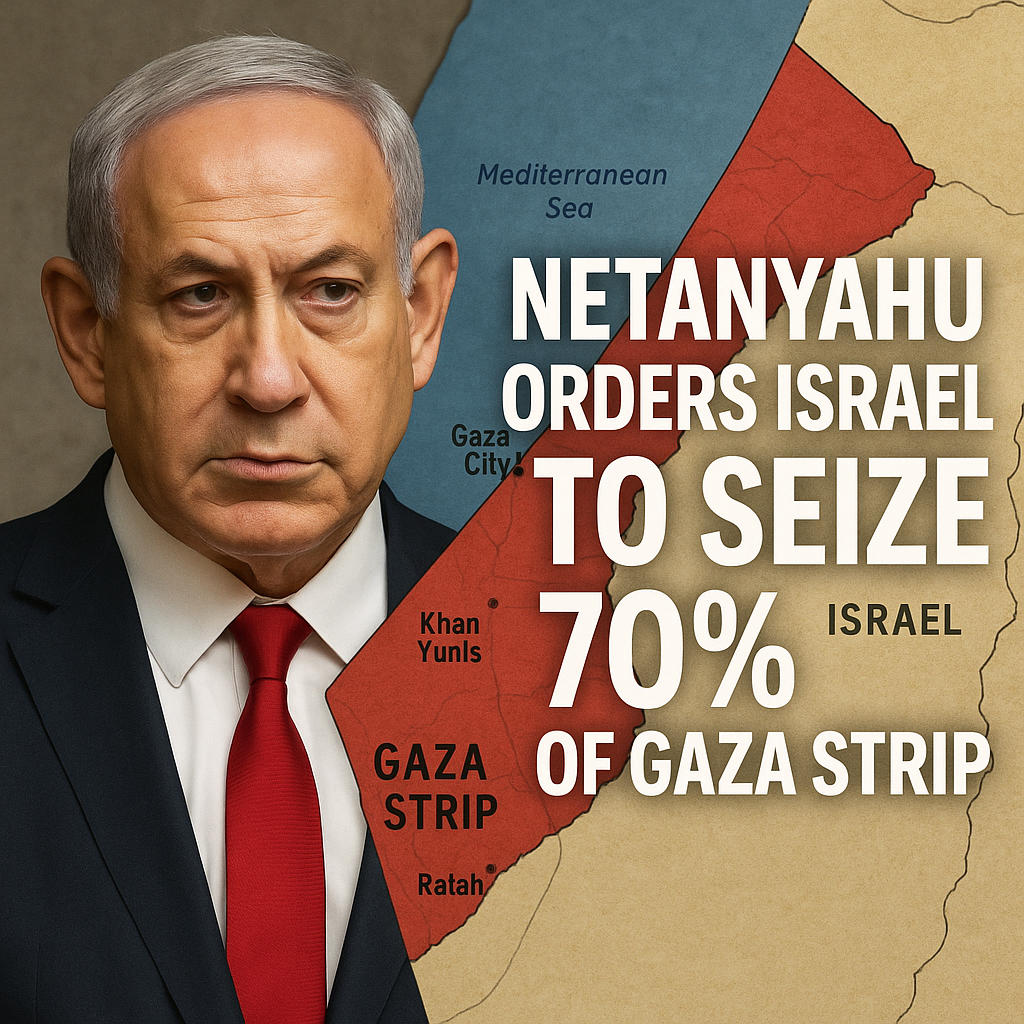
In a bold move, Israeli Prime Minister Benjamin Netanyahu reveals plans to control 70% of Gaza, prompting intense debate and concern over the impacts on the regions already strained humanitarian situation. As tensions rise, both local residents and international organizations are urging for a focus on dialogue and lasting peace amidst the unfolding complexities.
In a bold and contentious decision, Prime Minister Netanyahu has directed the military to seize 70% of the Gaza Strip, sparking intense debate over security and humanitarian impacts in a region already fraught with tension. As global reactions pour in, the question remains: what does this mean for the future of peace in the Middle East?
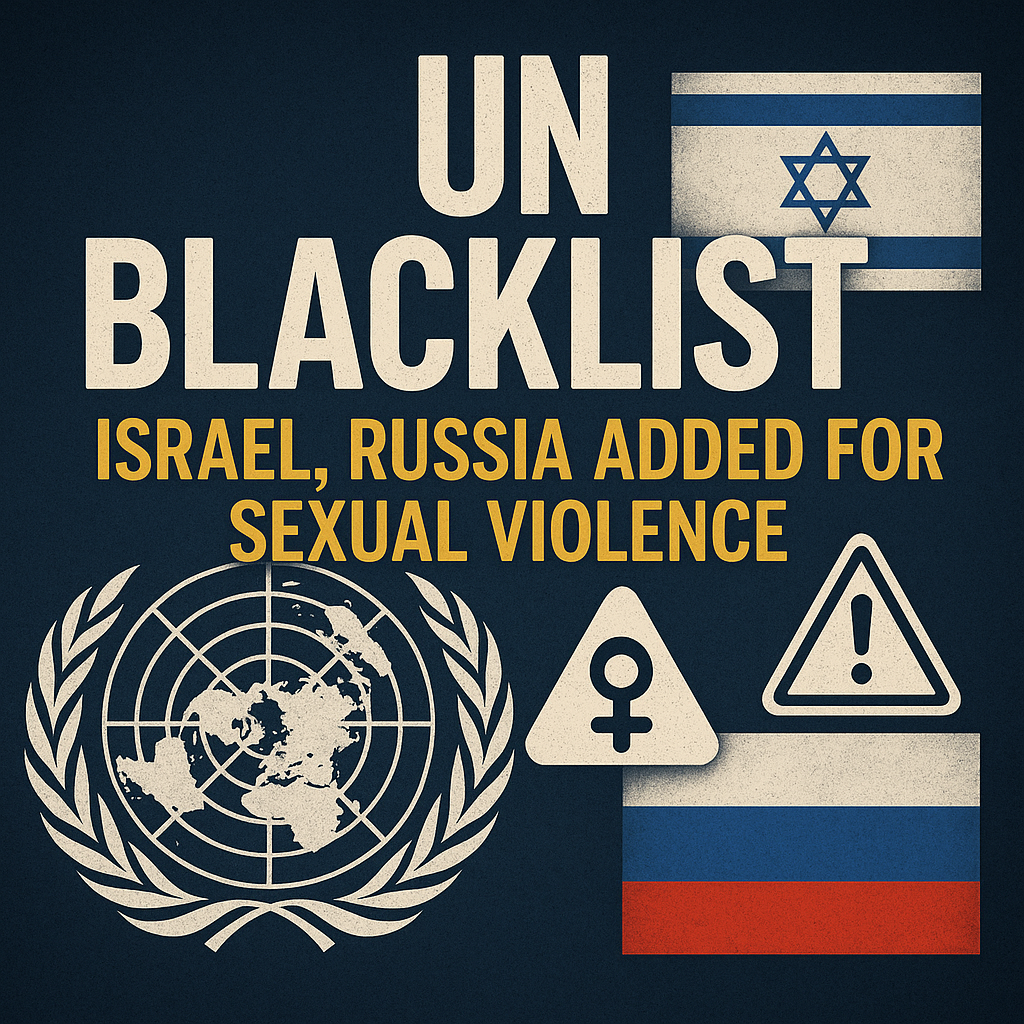
Israel is pushing back against its recent inclusion on a UN list addressing conflict-related sexual violence, calling it a politically charged move that undermines national security. This development has ignited a lively debate on accountability and the complexities of humanitarian law—whats your take?
The UNs recent decision to blacklist Israel for conflict-related sexual violence has sparked intense global debate, highlighting the urgent need for accountability in war-torn regions. As activists rally for justice, this move is seen as a critical step toward breaking the cycle of impunity and protecting vulnerable populations.
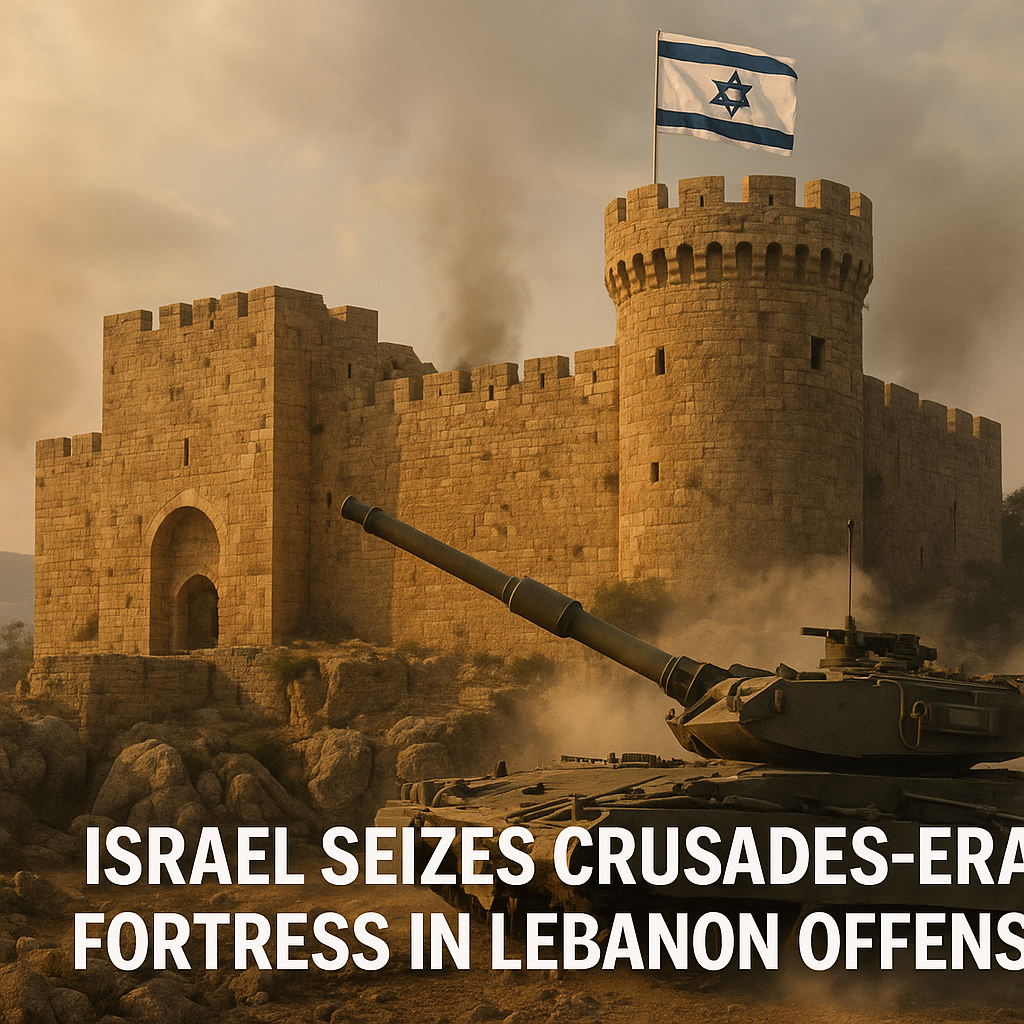
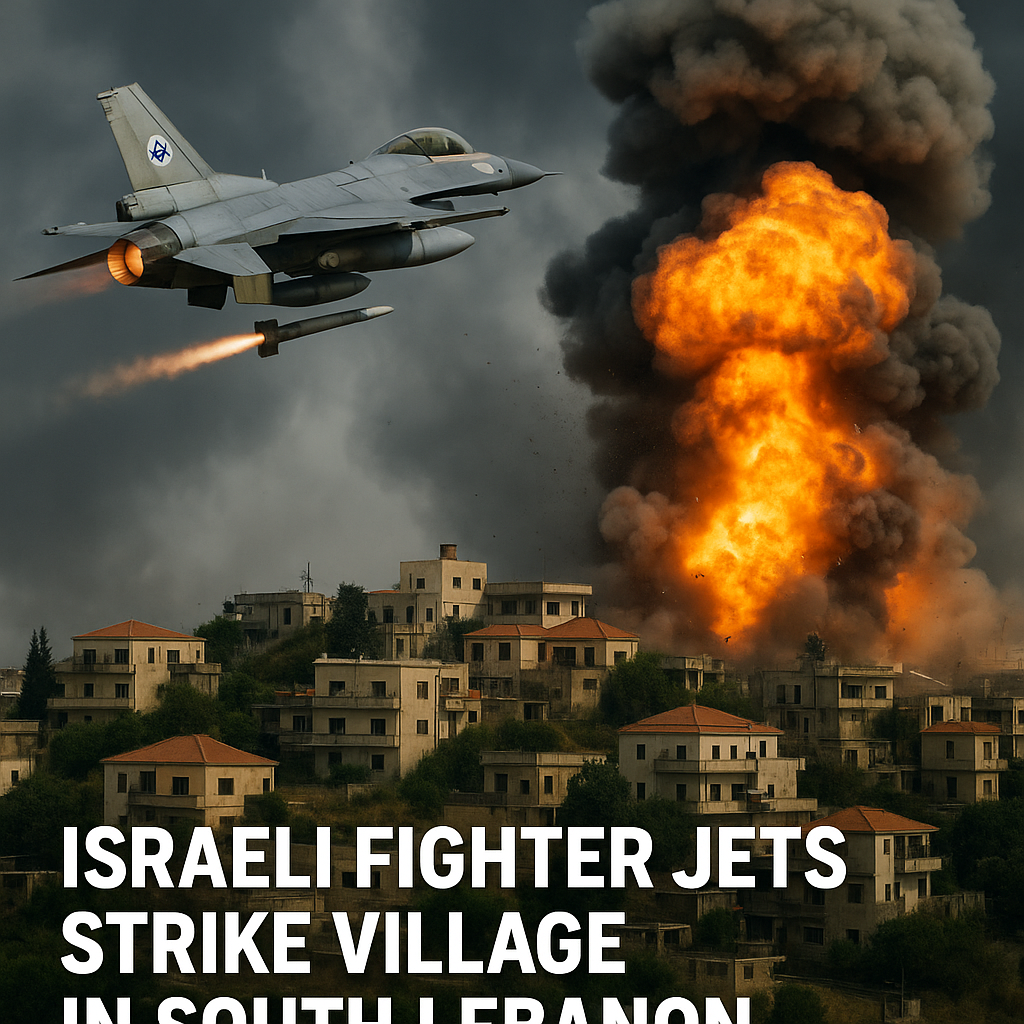
Despite a supposed ceasefire, Israel’s military operations in Lebanon have surged, casting doubt on regional stability and raising urgent questions about the future of peace talks. As tensions escalate, the humanitarian impact is becoming increasingly severe, affecting innocent civilians caught in the crossfire.
As tensions rise in the region, Israel has announced the evacuation of Tyre, a vital city in southern Lebanon, amid escalating military operations—prompting urgent concerns for the safety of its nearly 200,000 residents. With humanitarian organizations sounding alarms, the situation has become a poignant reminder of the fragile balance between security and civilian safety.
In a shocking turn of events, Israel’s airstrike has taken out Hamass new military chief, igniting debates over the fragile ceasefire and the escalating cycle of violence in the region. As tensions rise, both sides brace for the consequences of this bold move—what’s next on the horizon?
In a surprising turn of events, the clash between Trump and Congressman Massie is unraveling a complex web of foreign policy influence that could reshape the MAGA movement in Kentucky. As Massie questions U.S. support for Israel, hes igniting a heated debate that may challenge traditional Republican loyalties and the future of the party.
Israels bold move to build an IDF compound on the site of a demolished UN office has ignited heated debates about security and the future of peace in the region. With passionate voices on both sides, this decision could reshape the dynamics of an already complex conflict.
In a shocking turn just after a ceasefire extension, Israels airstrikes in Lebanon claimed five lives linked to Hezbollah, reigniting fears of escalating violence and raising urgent questions about the fragile peace in the region. As tensions mount, the stark reality of this conflict reminds us of the delicate balance between national security and the quest for lasting stability.