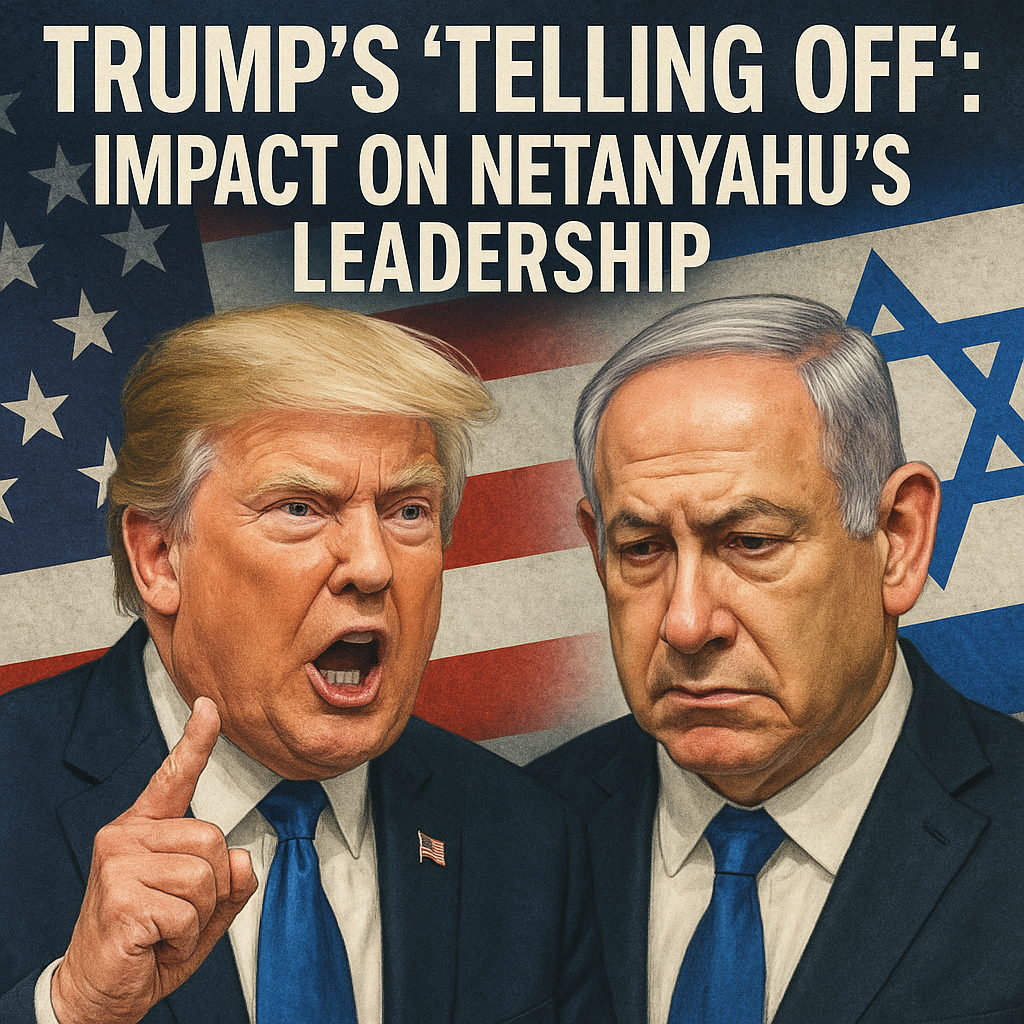
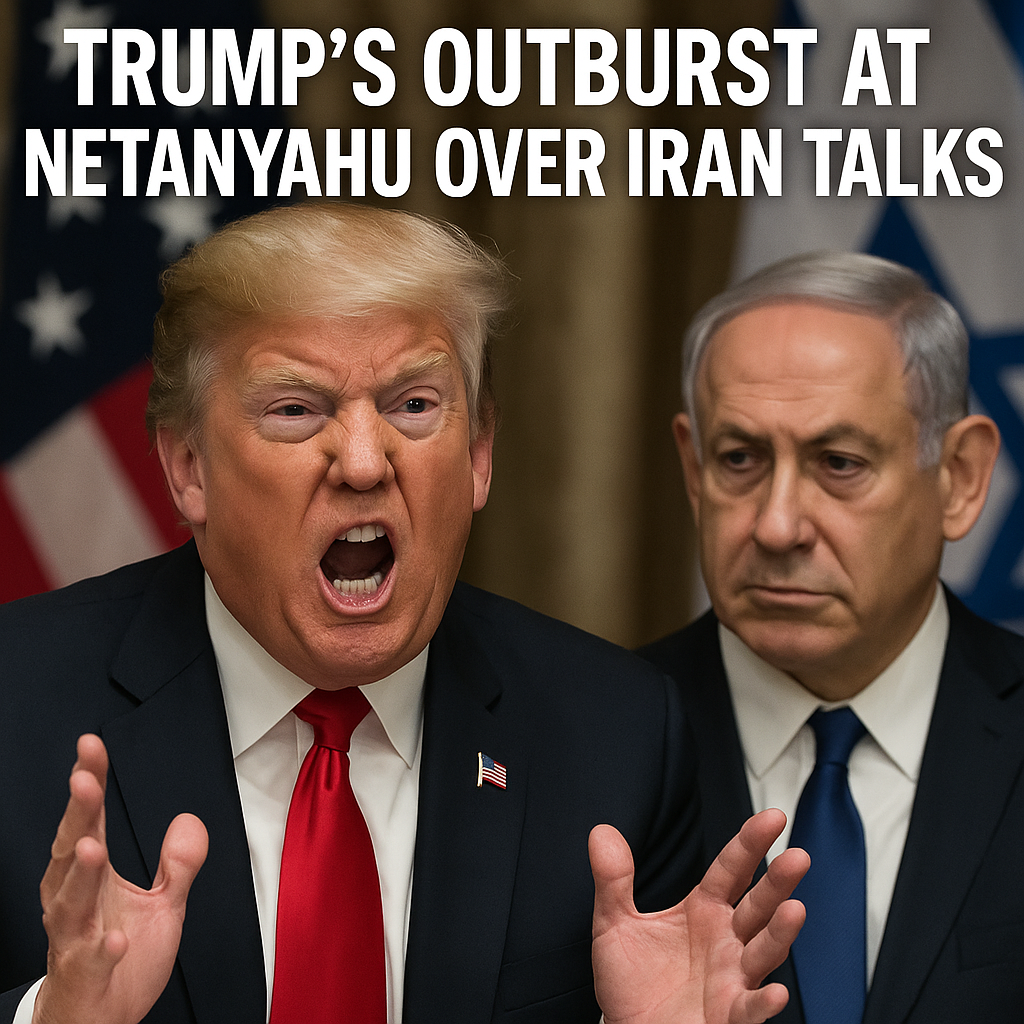
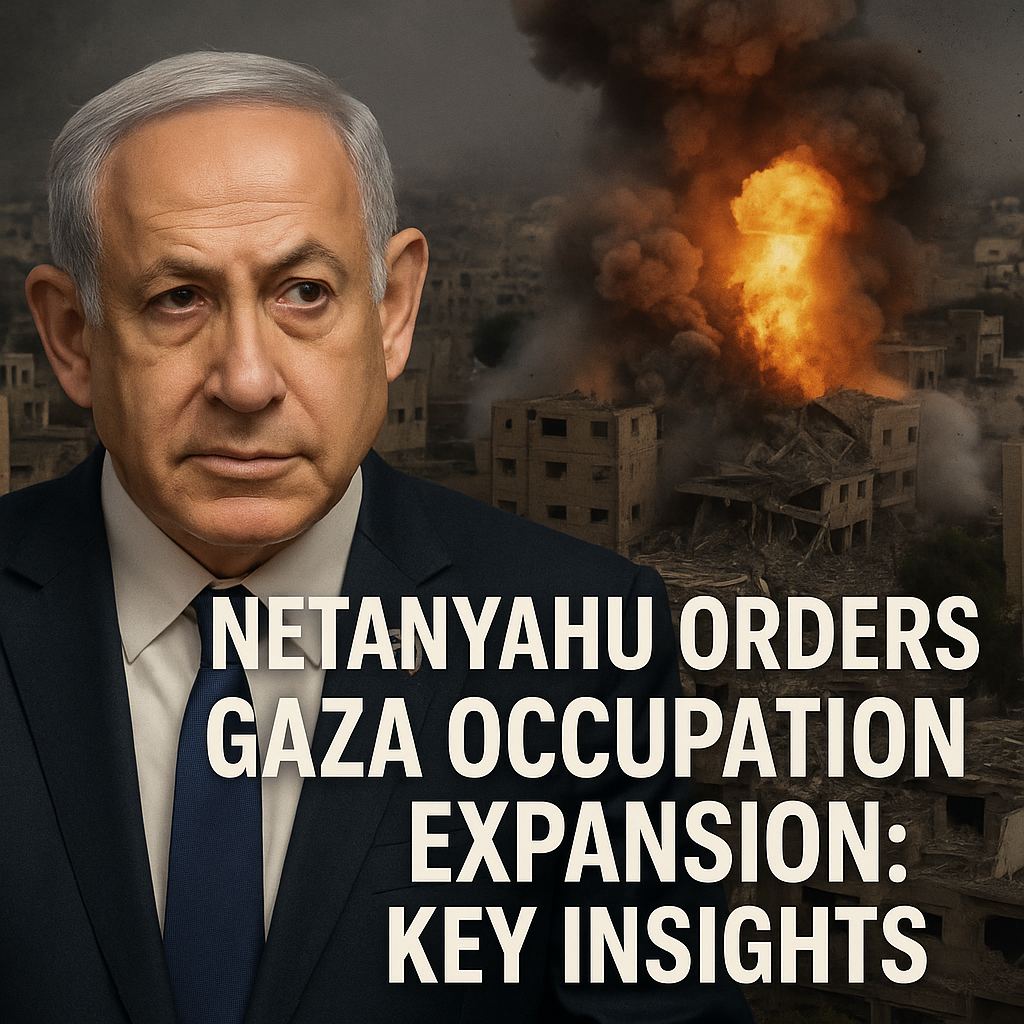
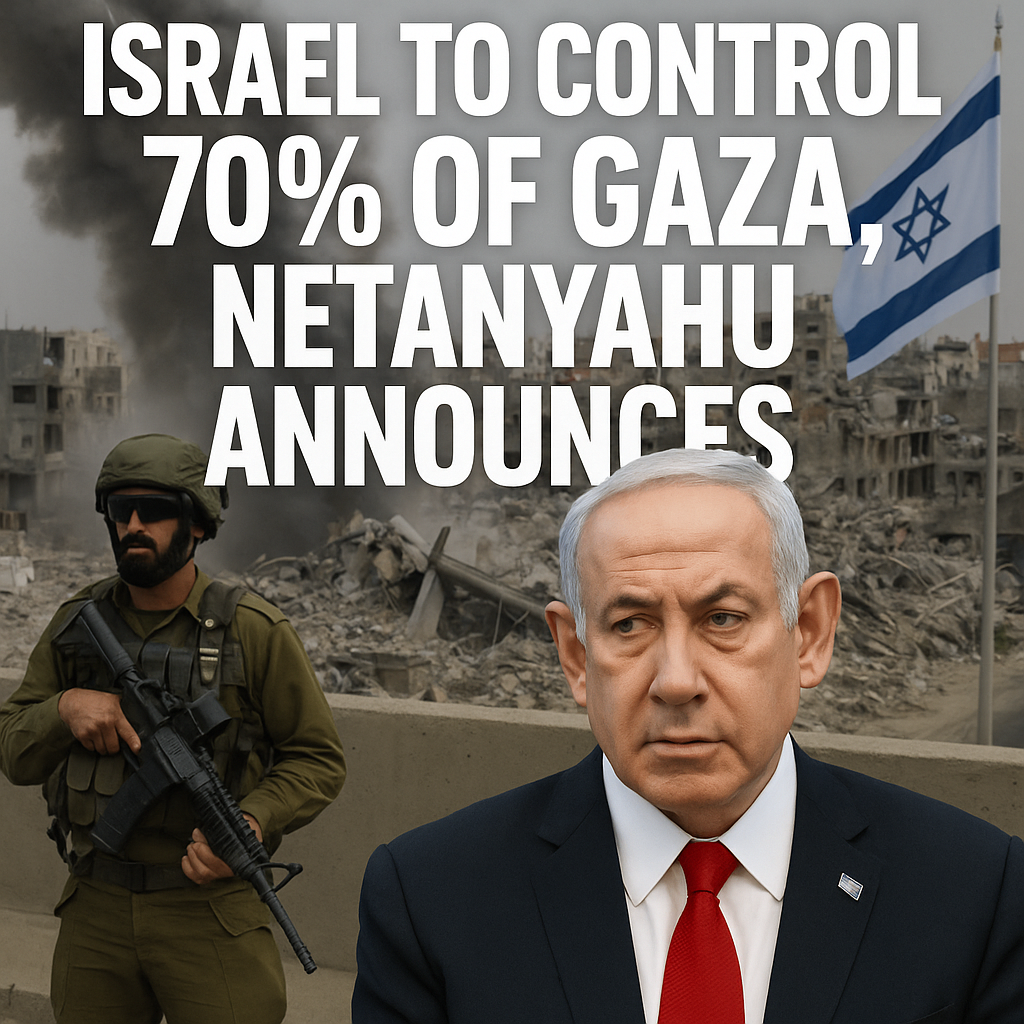
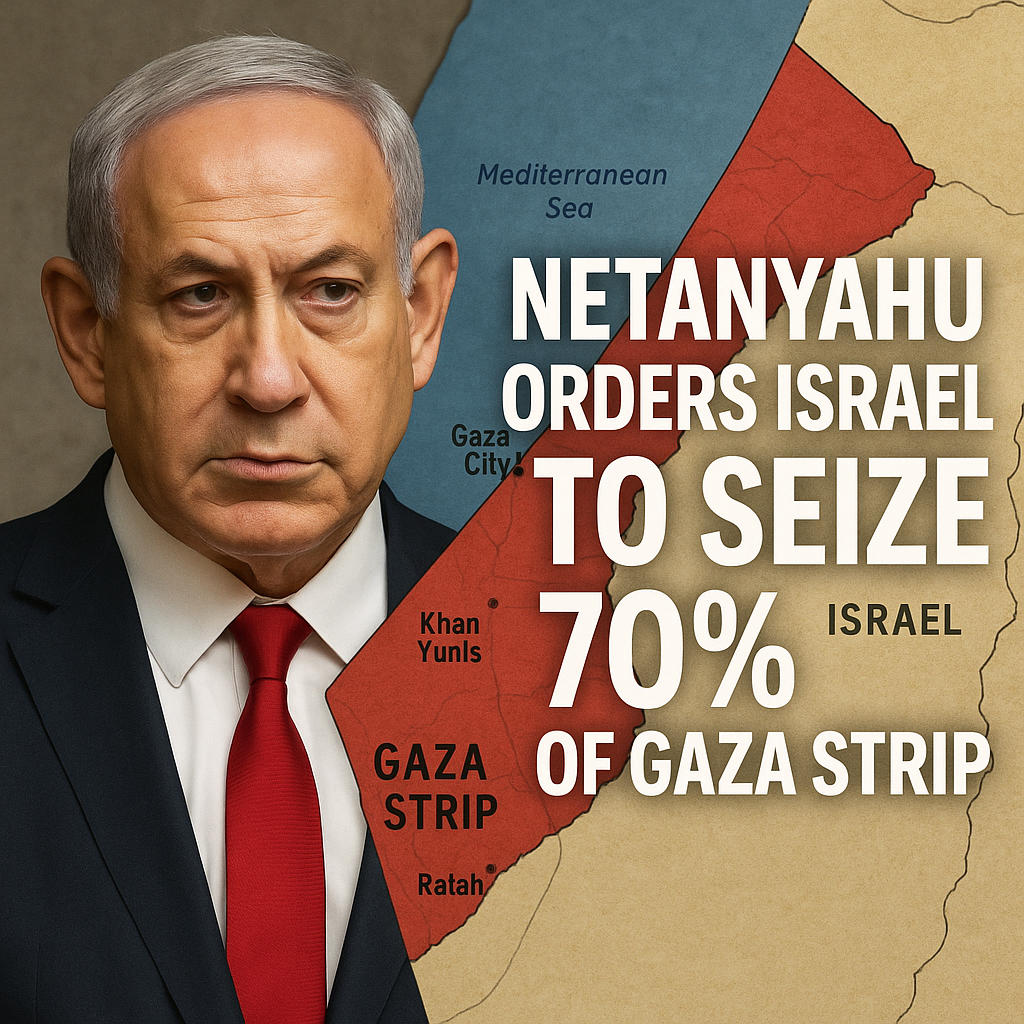
In a bold move, Israeli Prime Minister Benjamin Netanyahu reveals plans to control 70% of Gaza, prompting intense debate and concern over the impacts on the regions already strained humanitarian situation. As tensions rise, both local residents and international organizations are urging for a focus on dialogue and lasting peace amidst the unfolding complexities.
In a bold and contentious decision, Prime Minister Netanyahu has directed the military to seize 70% of the Gaza Strip, sparking intense debate over security and humanitarian impacts in a region already fraught with tension. As global reactions pour in, the question remains: what does this mean for the future of peace in the Middle East?
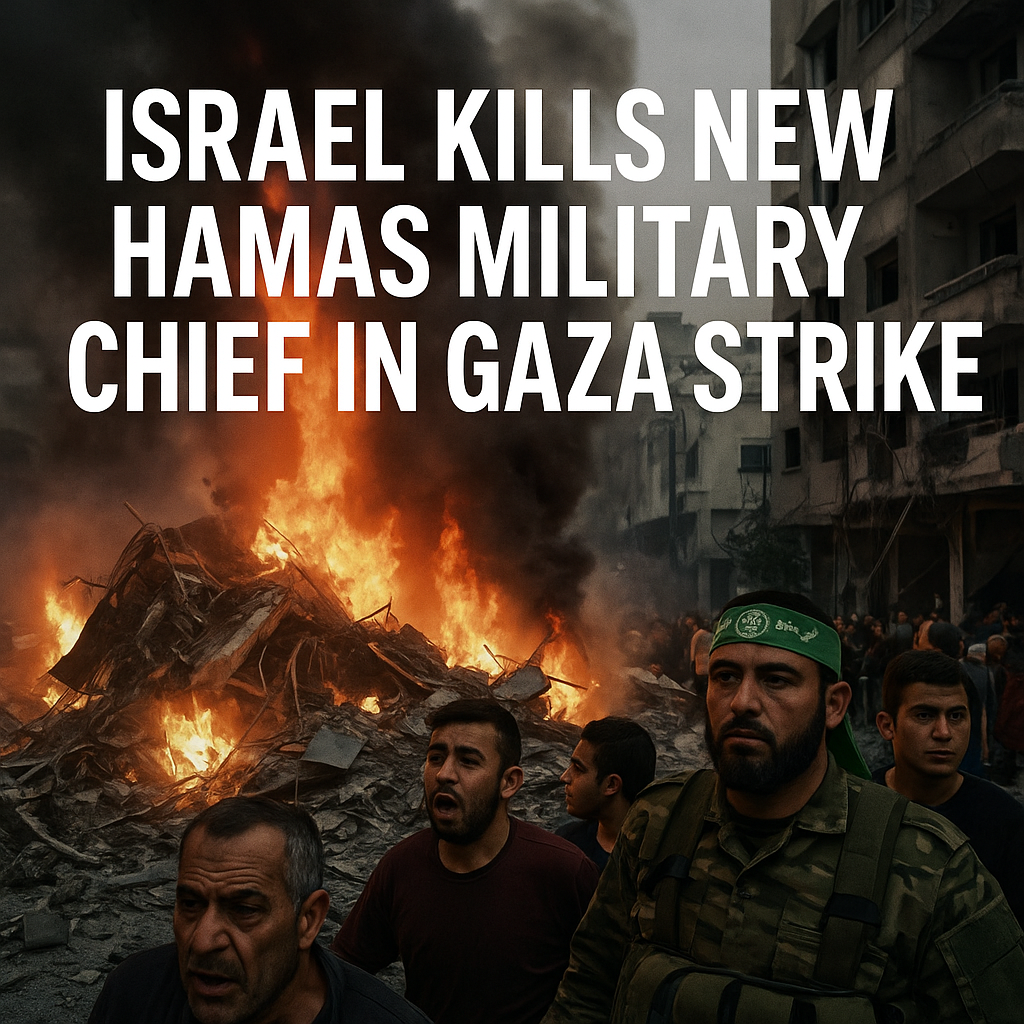
In a shocking turn of events, Israel’s airstrike has taken out Hamass new military chief, igniting debates over the fragile ceasefire and the escalating cycle of violence in the region. As tensions rise, both sides brace for the consequences of this bold move—what’s next on the horizon?
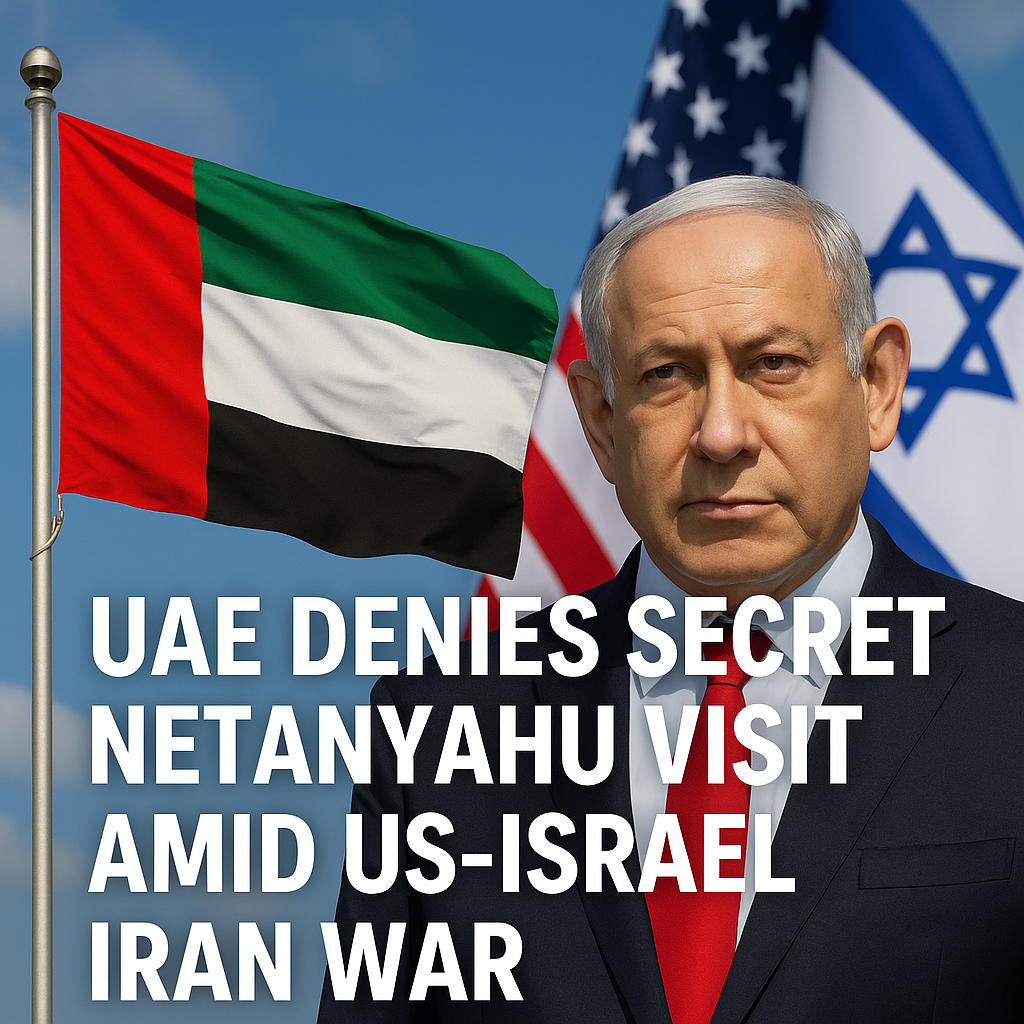
Amid rising tensions in the Middle East, the UAE has firmly rejected claims of a secret meeting with Israeli Prime Minister Netanyahu, insisting that such rumors are unfounded. As the geopolitical landscape shifts, this denial underscores the UAEs commitment to transparency and stability in a region fraught with uncertainty.
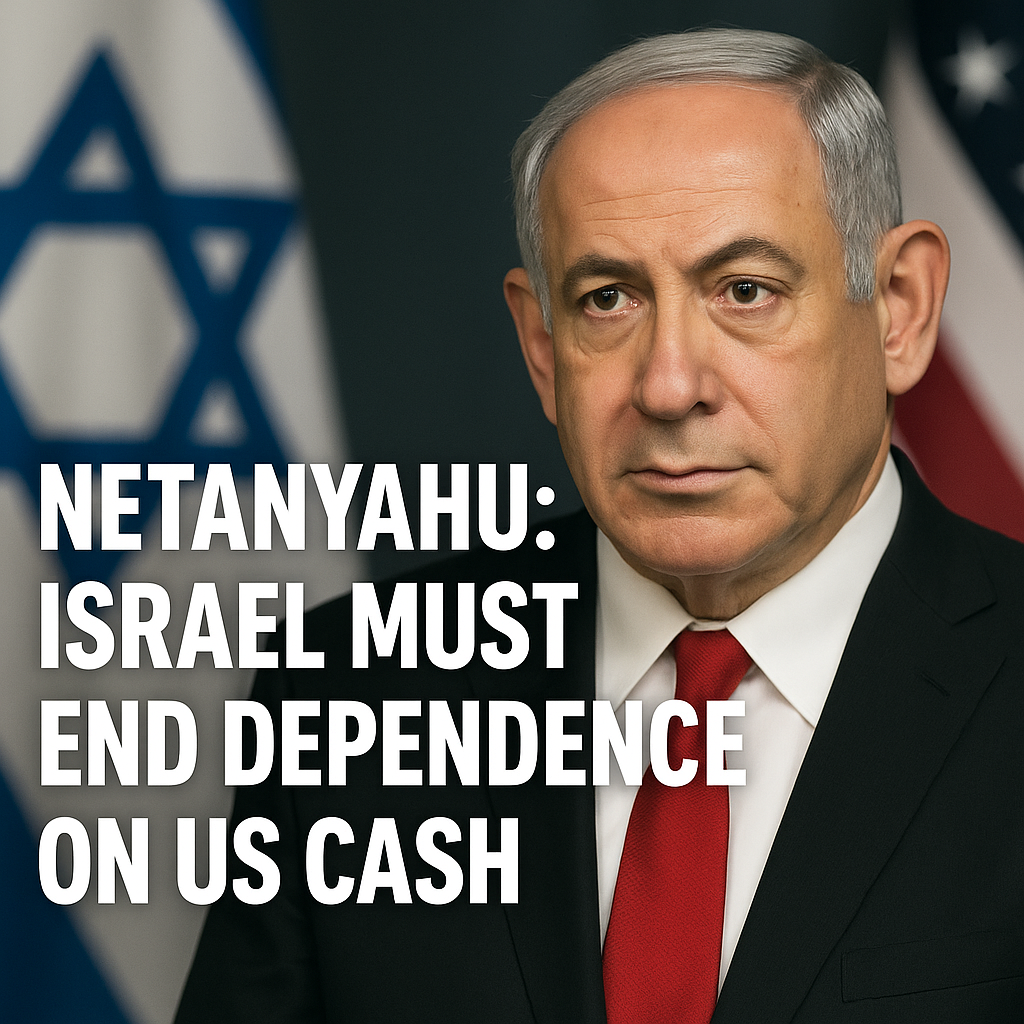
Benjamin Netanyahu is urging Israel to break free from its reliance on U.S. aid, sparking a crucial conversation about the nations quest for economic independence and enhanced sovereignty. This bold call reflects shifting dynamics in U.S. foreign policy and a growing desire among Israeli leaders for a more self-sufficient future.
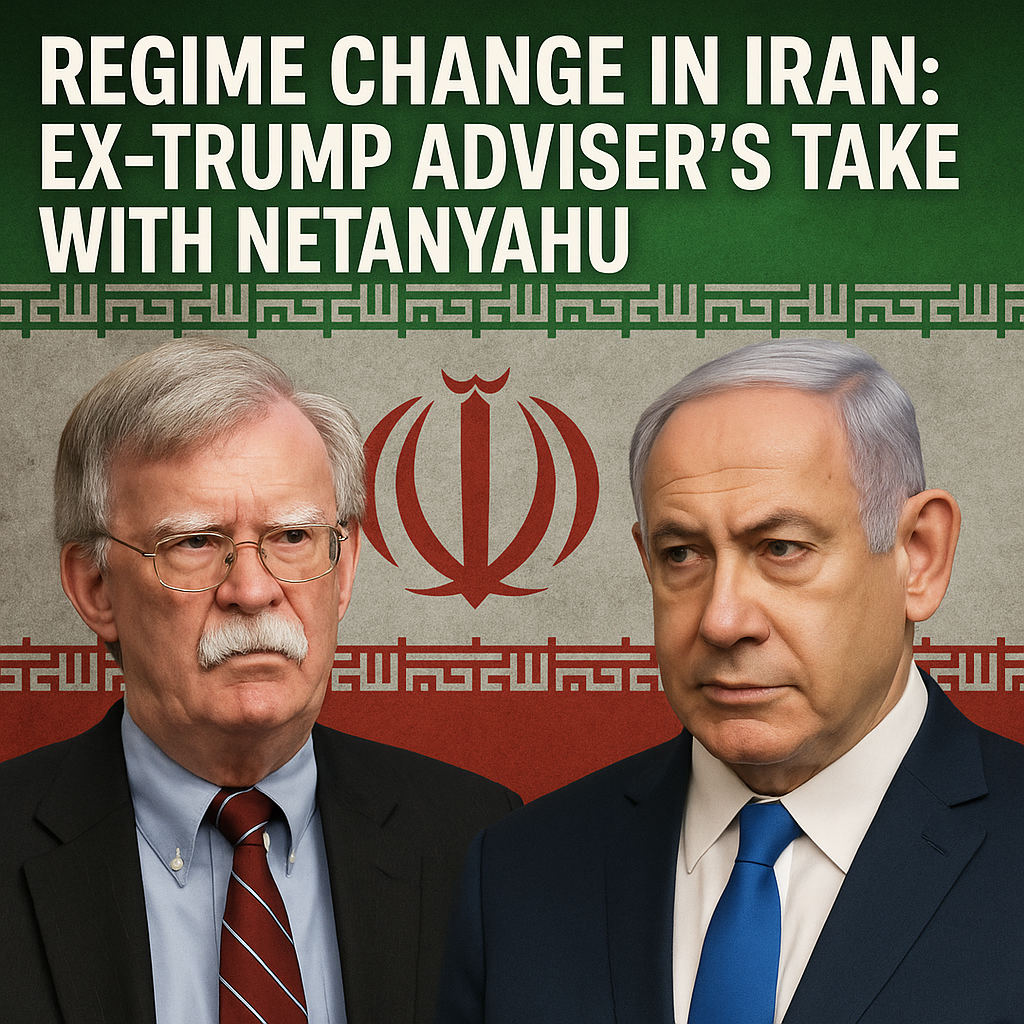
Dive into the heated debate on regime change in Iran, where former Trump adviser John Bolton believes the Iranian people are hungry for transformation, while experts warn of the dangers of intervention in a volatile region. Join us as we explore insights from key players and the historical context shaping this complex conversation!
In a bold twist, Donald Trump is once again calling for a pardon for Israeli Prime Minister Benjamin Netanyahu, igniting a lively debate on the intertwining politics of America and Israel as Netanyahu faces serious legal challenges back home. As reactions pour in, this appeal not only challenges norms but also raises questions about accountability in leadership during turbulent times.
Naftali Bennett and Yair Lapid are shaking up the political scene by joining forces to challenge Benjamin Netanyahus long-standing reign—can this unexpected alliance of former rivals rally a new wave of support among Israelis craving change? Don’t miss how their differing platforms could either unite or divide an increasingly restless electorate!
As tensions rise in the Middle East, Netanyahu is sounding the alarm over Trumps Lebanon strategy, fearing it could upend crucial alliances and threaten Israels security. Could this unexpected move reshape the already fragile political landscape in Lebanon?
Former Israeli President Reuven Rivlin argues that engaging in war with Iran would bring nothing but loss to Israel, advocating instead for diplomacy to foster stability in the tumultuous Middle East.