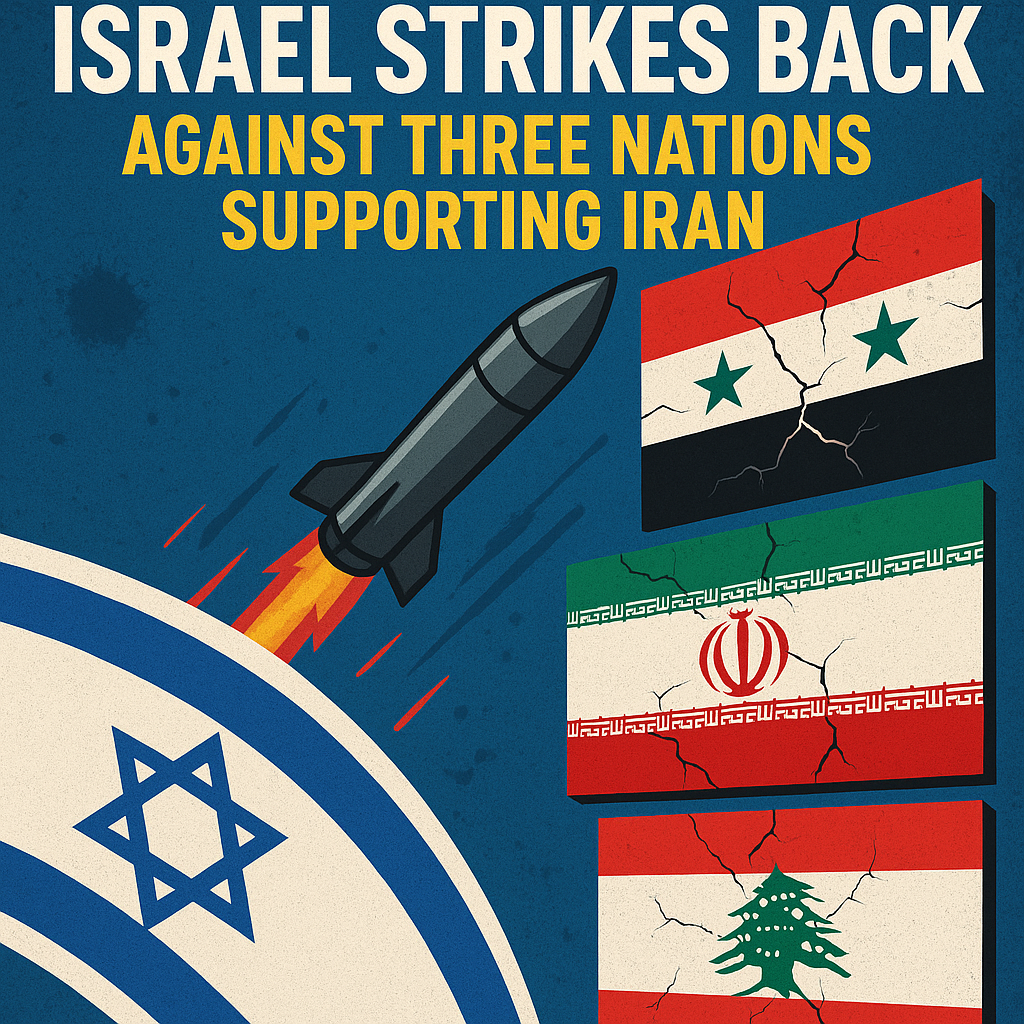
In a bold move shaking the foundations of Middle Eastern geopolitics, Israel has launched precise strikes on China, Pakistan, and France—nations seen as allies of Iran. This decisive action not only underscores Israels commitment to its security but also raises intriguing questions about the evolving dynamics of international relations in a complex world.
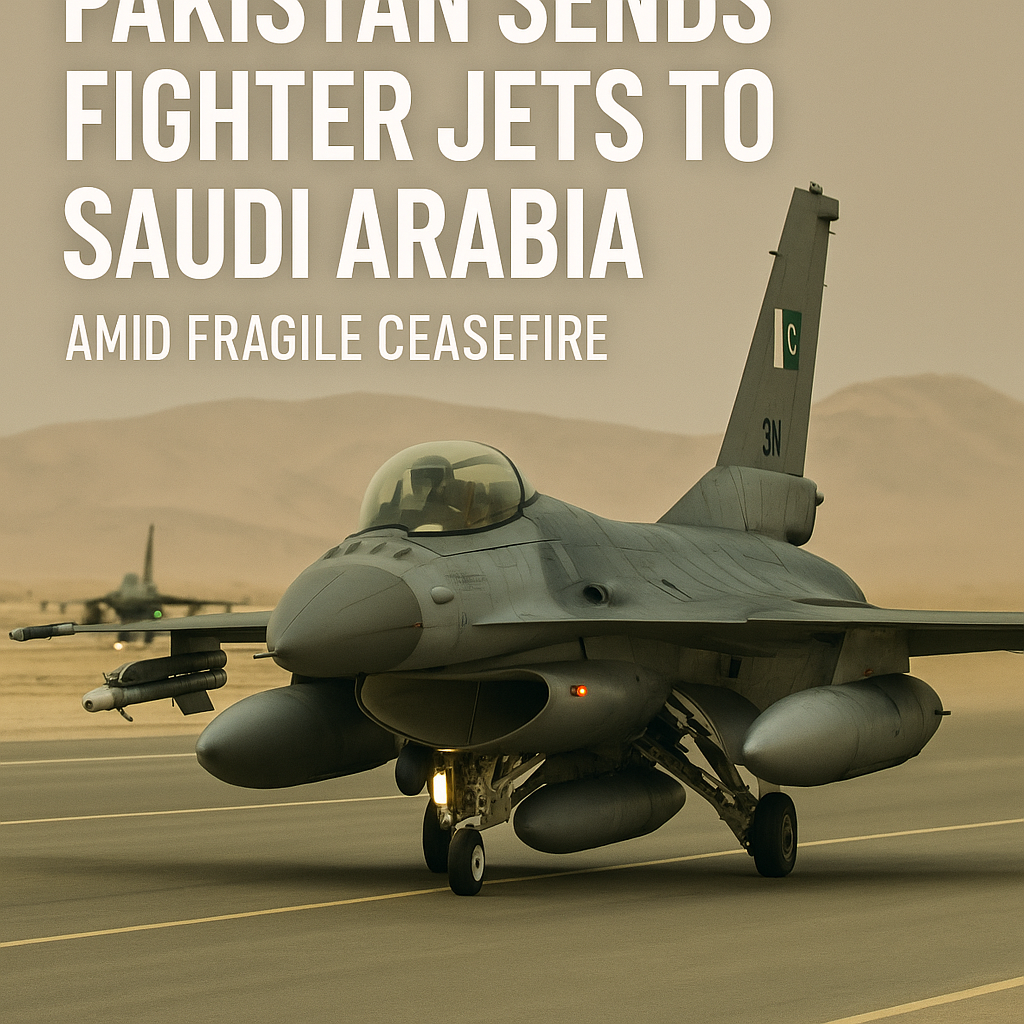
In a bold move, Pakistan has dispatched fighter jets to Saudi Arabia, a decision that not only reinforces their longstanding alliance but also shifts the intricate balance of power in a region navigating a delicate ceasefire. As tensions simmer, this development adds a fascinating twist to the ever-evolving geopolitical landscape of the Middle East.
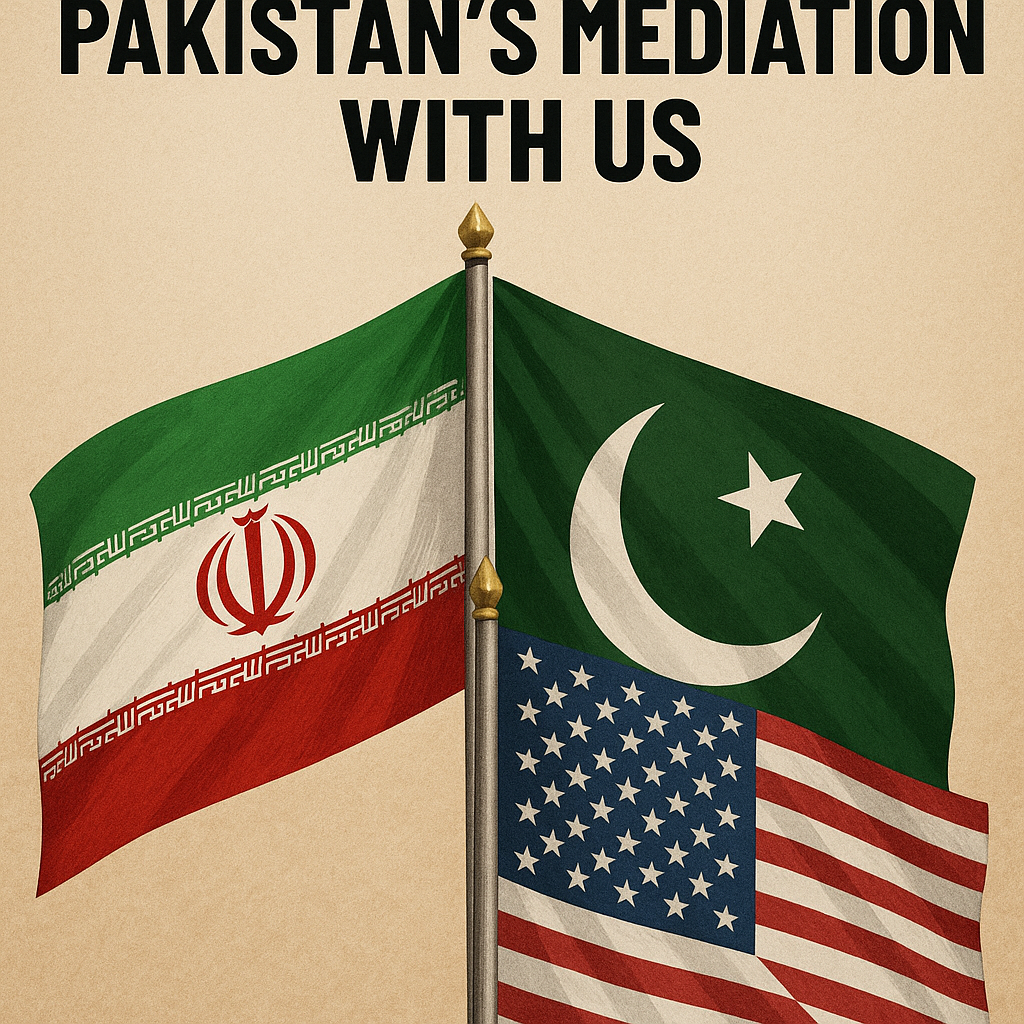
Iran has extended heartfelt thanks to Pakistan for its mediation efforts with the US, highlighting a potential shift in their traditionally fraught relationship. This diplomatic gesture opens the door to dialogue and reflects Pakistans vital role as a bridge in complex international ties.
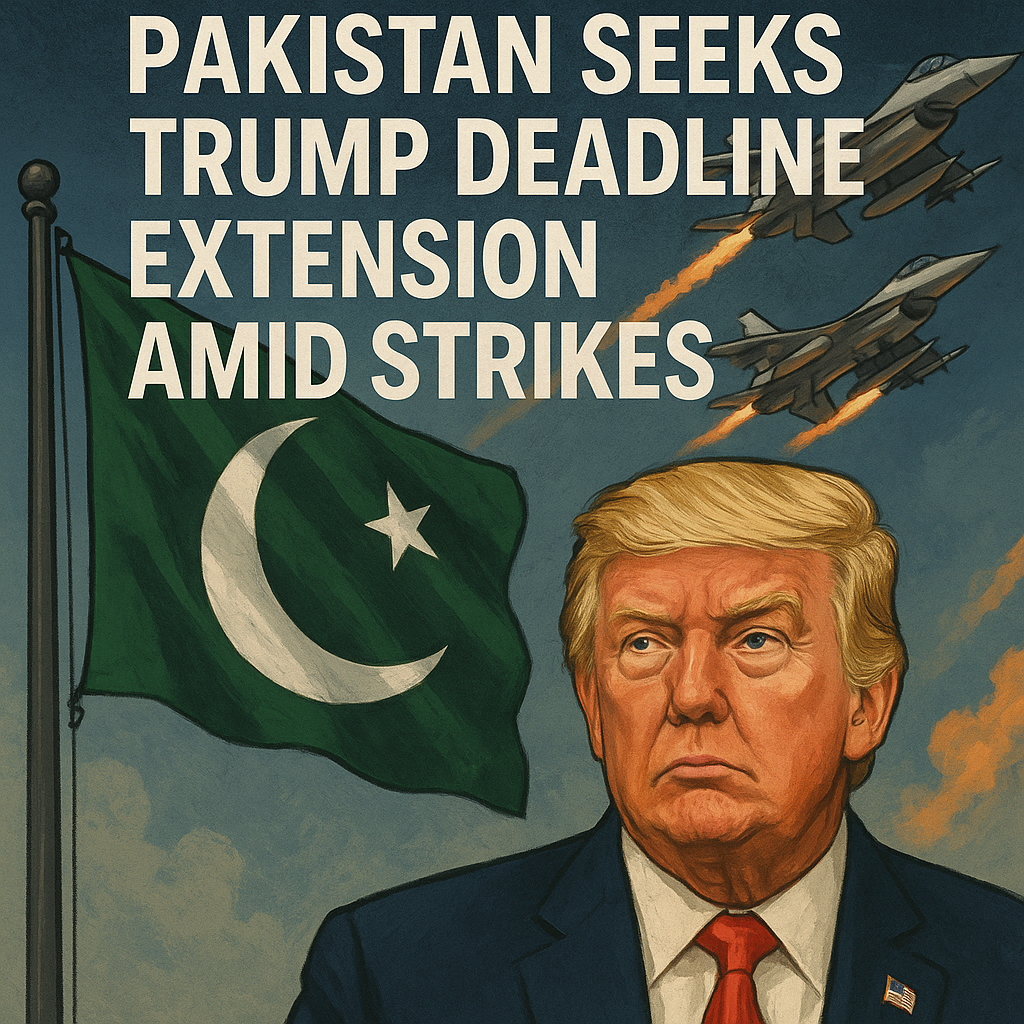
In a world teetering on the edge of geopolitical shifts, Pakistan is actively seeking an extension of deadlines set by former President Trump regarding its nuclear policies—an essential move that highlights the urgency of its diplomatic maneuvering amid rising regional tensions.
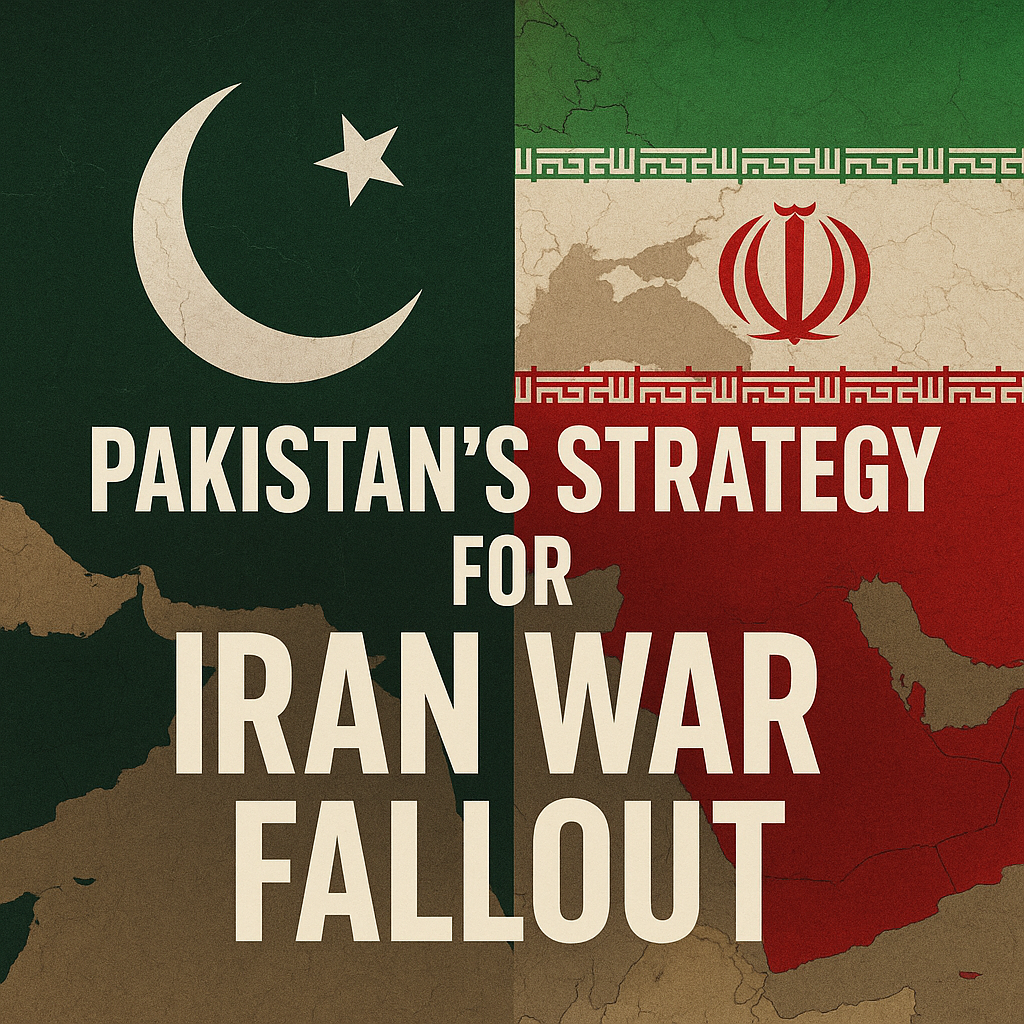
As tensions rise in Iran, Pakistan finds itself at a critical crossroads, navigating a complex web of geopolitical and economic challenges that could reshape its future. With the threat of conflict looming, how will Pakistan safeguard its interests and maintain stability in a volatile region?