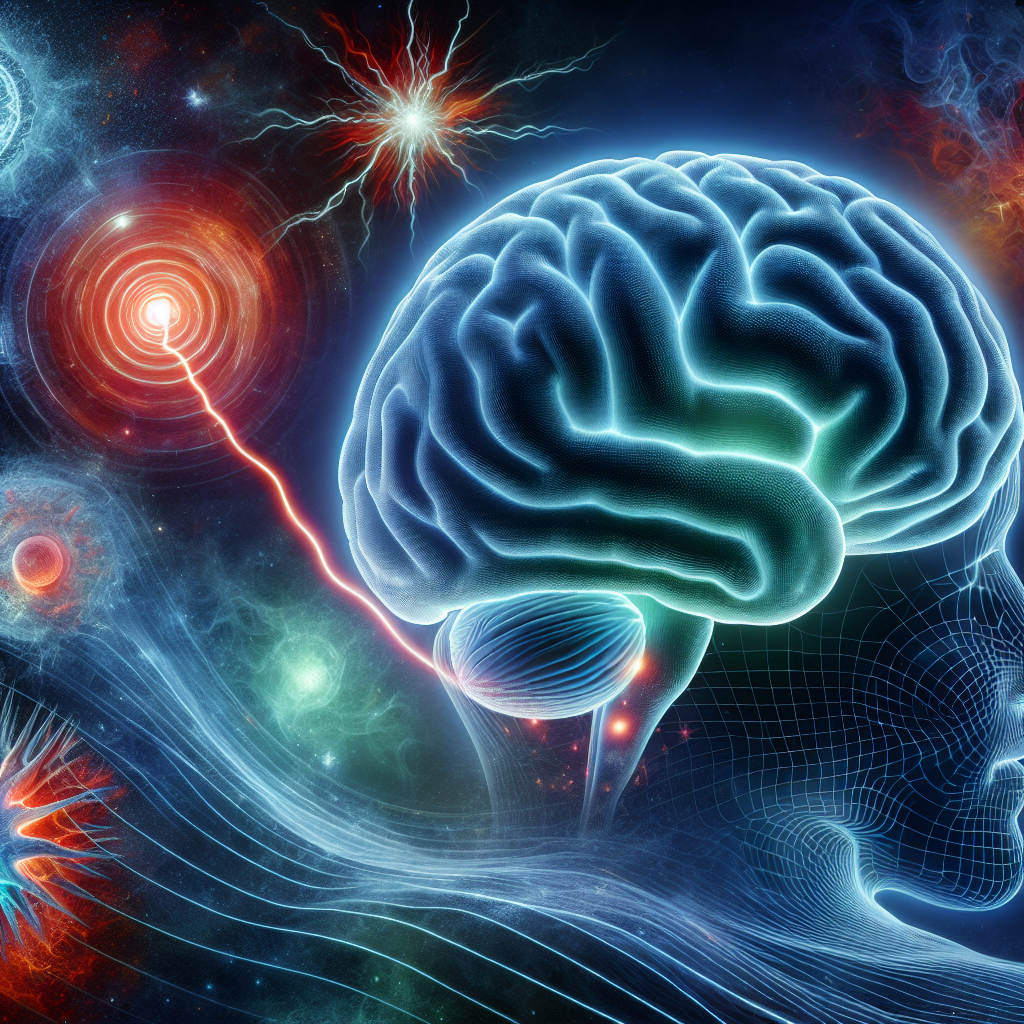
The Brain’s Astonishing Ability to Turn Off Pain

The Brain’s Astonishing Ability to Turn Off Pain
Introduction
Recent research has unveiled the brain’s remarkable capacity to modulate and even turn off pain, offering new insights into pain management and potential therapeutic approaches. This discovery sheds light on the complex mechanisms of pain perception and opens doors to innovative treatments for chronic pain sufferers.

Key Findings
- Neural Pathways: Scientists have identified specific neural pathways that the brain uses to suppress pain signals, highlighting the brain’s active role in pain modulation.
- Endogenous Mechanisms: The study reveals that the brain can activate endogenous mechanisms, akin to natural painkillers, to alleviate discomfort without external intervention.
- Potential Therapies: Understanding these pathways could lead to the development of new therapies that mimic or enhance the brain’s natural pain-relief processes.
Implications for Pain Management
The findings have significant implications for the future of pain management, particularly for individuals suffering from chronic pain conditions. By harnessing the brain’s intrinsic ability to control pain, new non-invasive treatments could be developed, reducing reliance on pharmaceuticals and their associated side effects.


Future Research Directions
- Exploring Variability: Further research is needed to understand why some individuals have a more robust pain-suppression response than others.
- Technological Integration: Integrating neuroimaging and AI could enhance our ability to map and manipulate these pain pathways effectively.
- Clinical Trials: Conducting clinical trials to test new therapies based on these findings will be crucial in translating research into practical treatments.
Conclusion
The discovery of the brain’s ability to turn off pain marks a significant advancement in neuroscience and pain management. By leveraging this natural capability, future therapies could offer more effective and safer pain relief options, transforming the lives of millions affected by chronic pain. Continued research in this area promises to unlock further secrets of the brain’s complex functions, paving the way for groundbreaking medical innovations.