
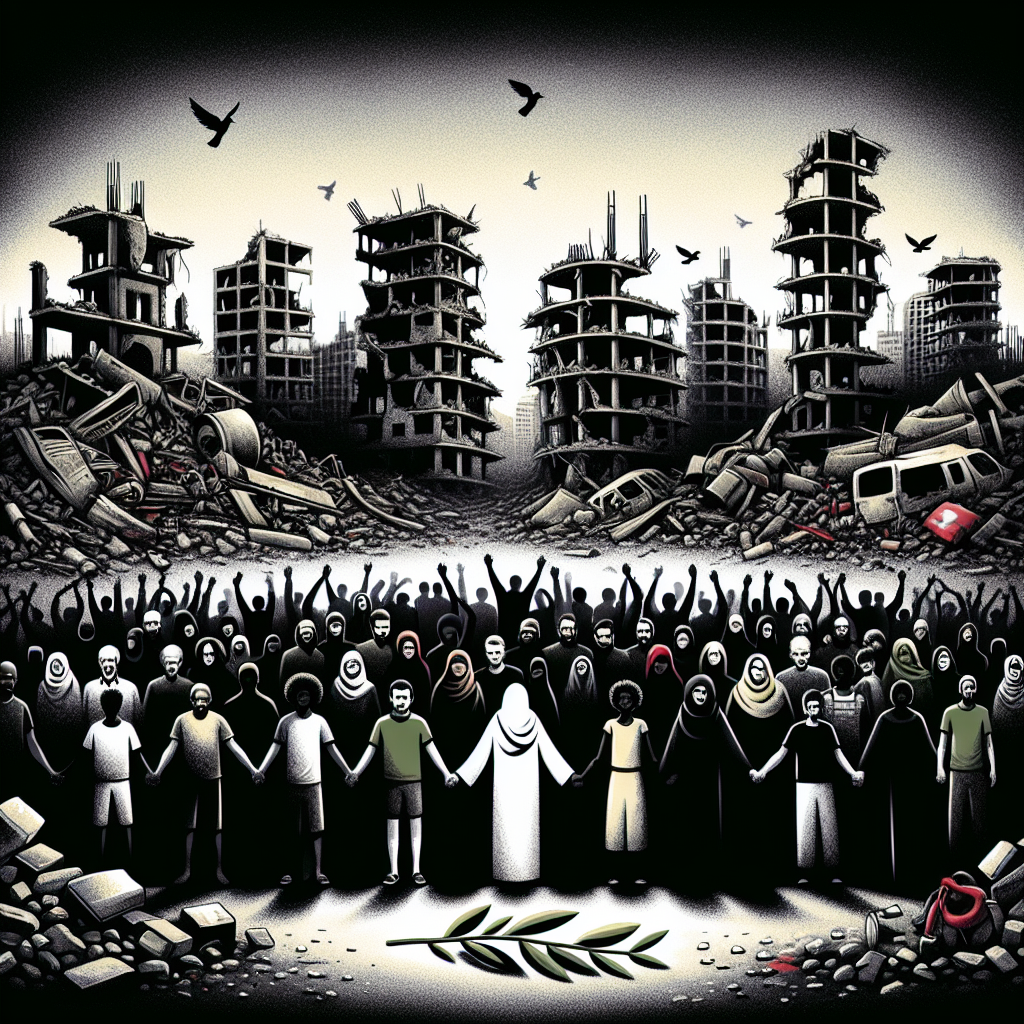
The Ceasefire Won’t Restore Our Lives

The Ceasefire Won’t Restore Our Lives
Introduction
The recent ceasefire agreement in a conflict-ridden region has sparked discussions about its potential impact on the lives of affected civilians. While the cessation of hostilities is a welcome development, many argue that it falls short of addressing the deeper issues faced by the local population.

Immediate Effects of the Ceasefire
-
Reduction in violence and immediate threats to civilian safety.
-
Temporary relief for humanitarian organizations to deliver aid.
-
Opportunity for diplomatic efforts to gain momentum.
Challenges Beyond the Ceasefire
Despite the ceasefire, several challenges remain that hinder the restoration of normalcy in the lives of those affected:


-
Destruction of infrastructure, including homes, schools, and hospitals, requires extensive rebuilding efforts.
-
Displacement of families and communities, leading to long-term social and economic instability.
-
Psychological trauma and loss experienced by civilians, which necessitate comprehensive mental health support.
Long-term Solutions Needed
Experts emphasize the need for sustainable solutions that go beyond temporary ceasefires:


-
Comprehensive peace agreements that address root causes of the conflict.
-
Investment in rebuilding infrastructure and restoring essential services.
-
Programs to support economic recovery and community resilience.
Conclusion
While the ceasefire offers a glimmer of hope, it is not a panacea for the deep-seated issues faced by affected communities. Long-term strategies and international support are crucial to truly restore and improve the lives of those impacted by the conflict.















