
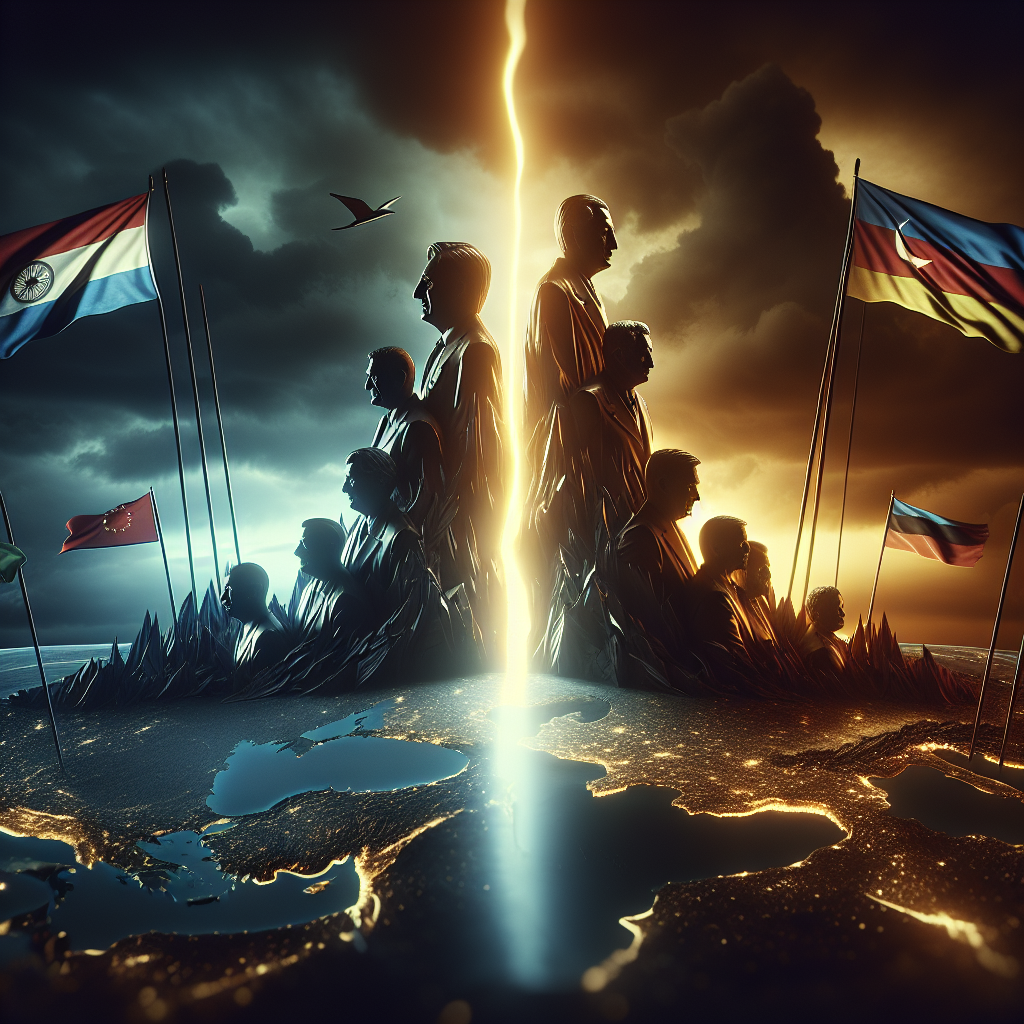
The Division of America: Two Nations, Two Presidents, Two Flags

The Division of America: Two Nations, Two Presidents, Two Flags
Introduction
The United States is experiencing an unprecedented division, marked by the emergence of two distinct political and cultural identities. This division is symbolized by the concept of “Two Nations, Two Presidents, Two Flags,” highlighting the growing polarization within the country.

Key Factors Driving the Division
- Political Polarization: The political landscape is increasingly divided, with stark differences between the two major parties, leading to a fragmented national identity.
- Cultural Differences: Cultural values and beliefs are diverging, creating distinct communities with their own symbols and ideologies.
- Media Influence: Media outlets often cater to specific audiences, reinforcing existing biases and deepening the divide.
Symbolism of Two Presidents
The notion of “Two Presidents” reflects the divided leadership and contrasting visions for the country’s future. This metaphor underscores the lack of consensus and the challenges in achieving national unity.


The Emergence of Two Flags
The idea of “Two Flags” represents the symbolic division in national identity. Different groups are rallying around their own symbols, further entrenching the divide and complicating efforts to find common ground.


Implications for the Future
- Social Cohesion: The division threatens social cohesion, making it difficult to address national challenges collectively.
- Policy Making: Polarization hampers effective policy making, as consensus becomes increasingly elusive.
- National Identity: The fragmentation of national identity raises questions about the future of American unity and shared values.
Conclusion
The division of America into “Two Nations, Two Presidents, Two Flags” highlights the deepening polarization within the country. This division poses significant challenges to social cohesion, policy making, and national identity. Addressing these issues requires a concerted effort to bridge the gaps and foster a more unified national community.













