
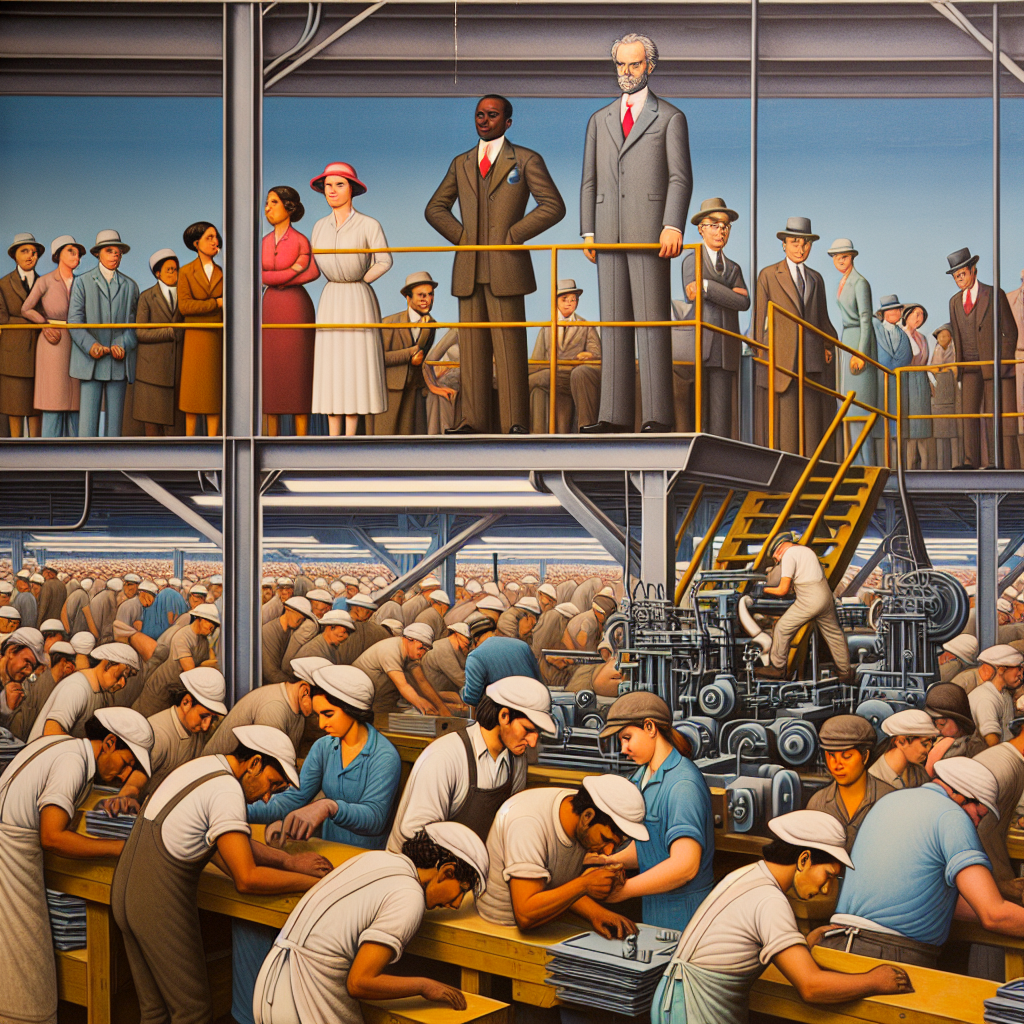
The Exploitation of Workers by Capitalists: Insights from Nancy Fraser

The Exploitation of Workers by Capitalists: Insights from Nancy Fraser
Introduction to Nancy Fraser’s Perspective
Nancy Fraser, a renowned philosopher and social theorist, offers a critical examination of how capitalist systems exploit workers. Her insights delve into the structural mechanisms that perpetuate inequality and the socio-economic dynamics that favor capitalists over laborers.

Key Insights from Fraser’s Analysis
Understanding Capitalist Exploitation
-
Structural Inequality: Fraser highlights how capitalism inherently creates and sustains economic disparities, with wealth concentrated in the hands of a few.
-
Labor Devaluation: Workers’ contributions are undervalued, leading to unfair compensation and poor working conditions.
-
Systemic Power Imbalance: Capitalists wield significant power over labor markets, influencing wages and employment terms to their advantage.
Socio-Economic Dynamics
-
Globalization Impact: The global expansion of capitalism exacerbates exploitation, as companies seek cheaper labor markets.
-
Environmental Concerns: Fraser connects worker exploitation to environmental degradation, arguing that both are products of unchecked capitalist growth.
-
Social Reproduction: The unpaid labor, often performed by women, is crucial for sustaining the workforce yet remains unrecognized and uncompensated.
Fraser’s Call for Change
Fraser advocates for systemic reforms to address these issues, emphasizing the need for:


-
Policy Interventions: Implementing policies that ensure fair wages, job security, and improved working conditions.
-
Collective Action: Encouraging worker solidarity and collective bargaining to challenge capitalist dominance.
-
Sustainable Practices: Promoting economic models that prioritize environmental sustainability and social equity.
Conclusion
Nancy Fraser’s insights into the exploitation of workers by capitalists reveal the deep-rooted inequalities within capitalist systems. Her analysis underscores the need for comprehensive reforms to create a more equitable and sustainable economic landscape. By addressing structural inequalities, valuing labor fairly, and promoting collective action, society can move towards a more just and balanced future.

















