
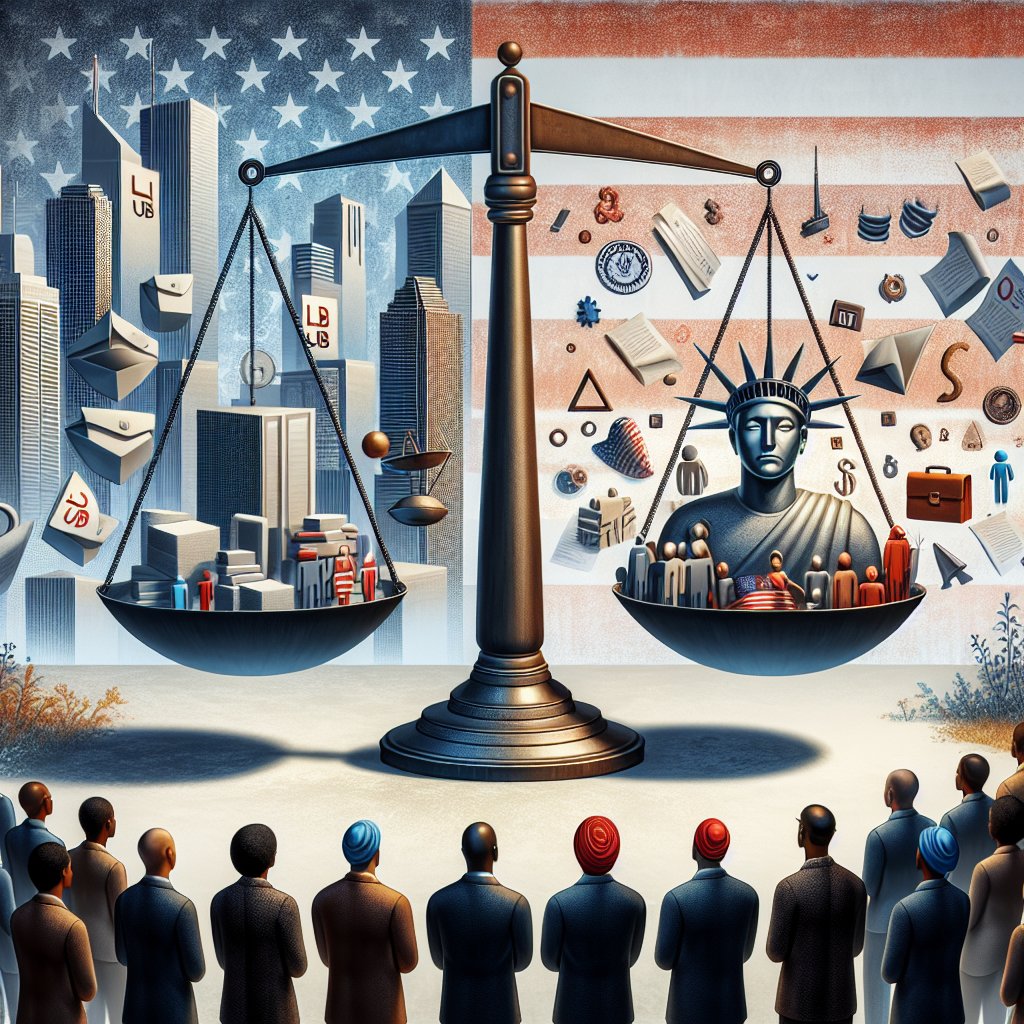
The H-1B Visa Debate: Uncovering an American Dilemma

The H-1B Visa Debate: Uncovering an American Dilemma
Introduction
The H-1B visa program, designed to allow U.S. companies to employ foreign workers in specialty occupations, has become a focal point of debate in American immigration policy. This discussion highlights the complexities and controversies surrounding the program, reflecting broader issues in the U.S. labor market and immigration system.

Key Issues in the H-1B Visa Debate
Economic Impact
- Job Creation vs. Job Displacement: Proponents argue that H-1B visas fill critical skill gaps and drive innovation, while critics claim they displace American workers and suppress wages.
- Industry Dependence: Sectors like technology and healthcare heavily rely on H-1B workers, emphasizing the need for skilled labor.
Regulatory Challenges
- Quota Limitations: The annual cap on H-1B visas often falls short of demand, leading to a lottery system that many view as inadequate.
- Policy Reforms: Calls for reform include increasing the cap, prioritizing higher wages, and improving the selection process to ensure fairness and efficiency.
Social and Cultural Considerations
- Integration and Diversity: H-1B workers contribute to cultural diversity and global perspectives in the workplace.
- Family and Community Impact: Visa holders face challenges related to family visas and long-term residency, affecting community stability.
Conclusion
The H-1B visa debate encapsulates a broader American dilemma, balancing economic needs with social and regulatory challenges. As the U.S. navigates this complex issue, the outcome will significantly impact the nation’s workforce, innovation landscape, and immigration policy. Addressing these challenges requires thoughtful reform and a nuanced understanding of the program’s multifaceted role in American society.














