
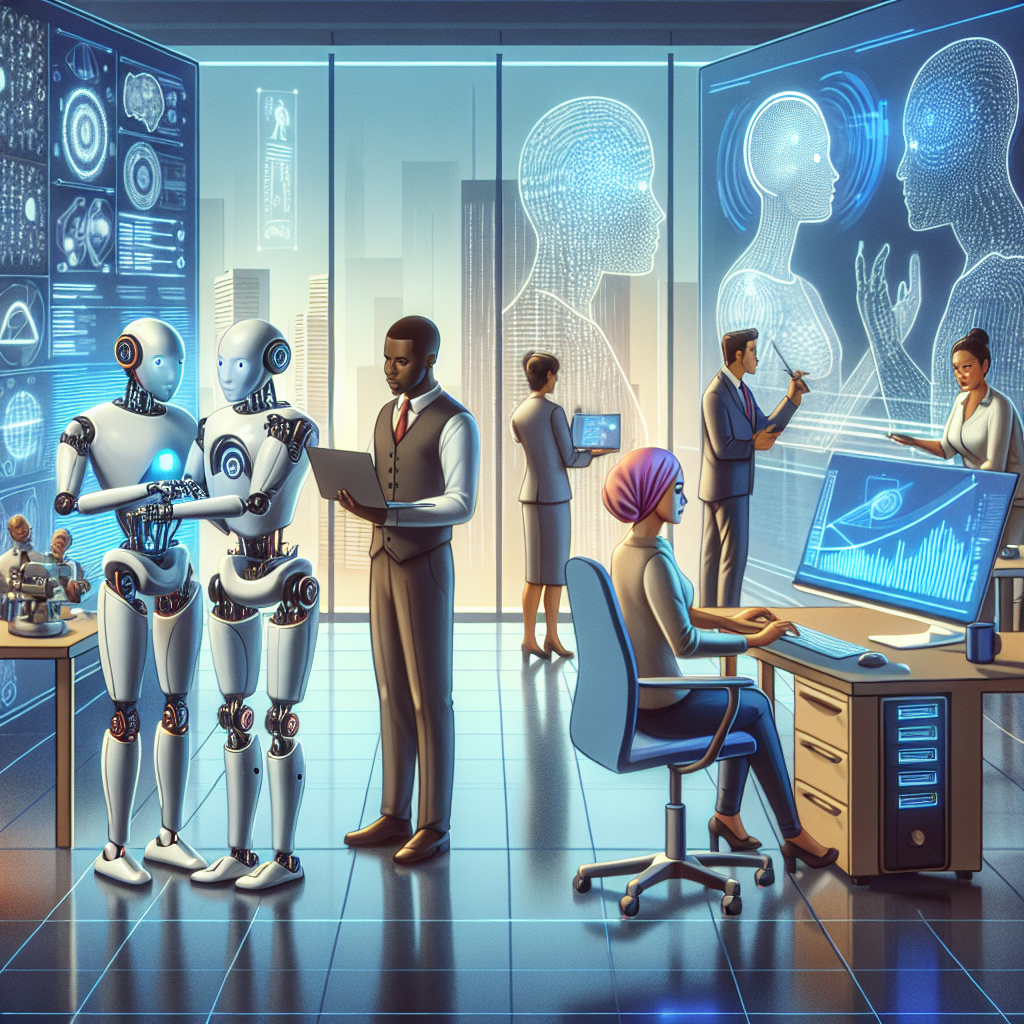
The Impact of AI on Tomorrow’s Workforce

The Impact of AI on Tomorrow’s Workforce
Introduction
Artificial Intelligence (AI) is rapidly transforming the landscape of the global workforce. As AI technologies continue to evolve, they are reshaping industries, altering job roles, and redefining the skills required for future employment. This summary explores the multifaceted impact of AI on tomorrow’s workforce, highlighting key insights and potential challenges.

AI-Driven Transformation
AI is not just a tool but a catalyst for change across various sectors. Its integration into the workforce is leading to significant transformations:


- Automation of Routine Tasks: AI is increasingly automating repetitive and mundane tasks, allowing human workers to focus on more complex and creative responsibilities.
- Enhanced Decision-Making: AI systems provide data-driven insights that enhance decision-making processes, leading to improved efficiency and productivity.
- Creation of New Job Roles: As AI technologies advance, new job roles are emerging, particularly in AI development, maintenance, and oversight.
Challenges and Considerations
While AI offers numerous benefits, it also presents challenges that need to be addressed to ensure a smooth transition into the future workforce:


- Skill Gap: There is a growing need for reskilling and upskilling programs to equip workers with the necessary skills to thrive in an AI-driven environment.
- Job Displacement: Certain job roles may become obsolete, leading to potential unemployment issues if proactive measures are not taken.
- Ethical Concerns: The integration of AI raises ethical questions regarding privacy, bias, and the accountability of AI systems.
Preparing for the Future
To harness the full potential of AI while mitigating its challenges, stakeholders must take proactive steps:
- Education and Training: Implement comprehensive education and training programs to prepare the workforce for AI-related changes.
- Policy Development: Develop policies that address ethical concerns and ensure fair labor practices in an AI-driven economy.
- Collaboration: Foster collaboration between governments, industries, and educational institutions to create a sustainable AI ecosystem.
Conclusion
The impact of AI on tomorrow’s workforce is profound and multifaceted. While it offers opportunities for innovation and efficiency, it also poses challenges that require careful consideration and strategic planning. By embracing AI responsibly and preparing the workforce for its integration, society can ensure a future where technology and human potential coexist harmoniously.















