
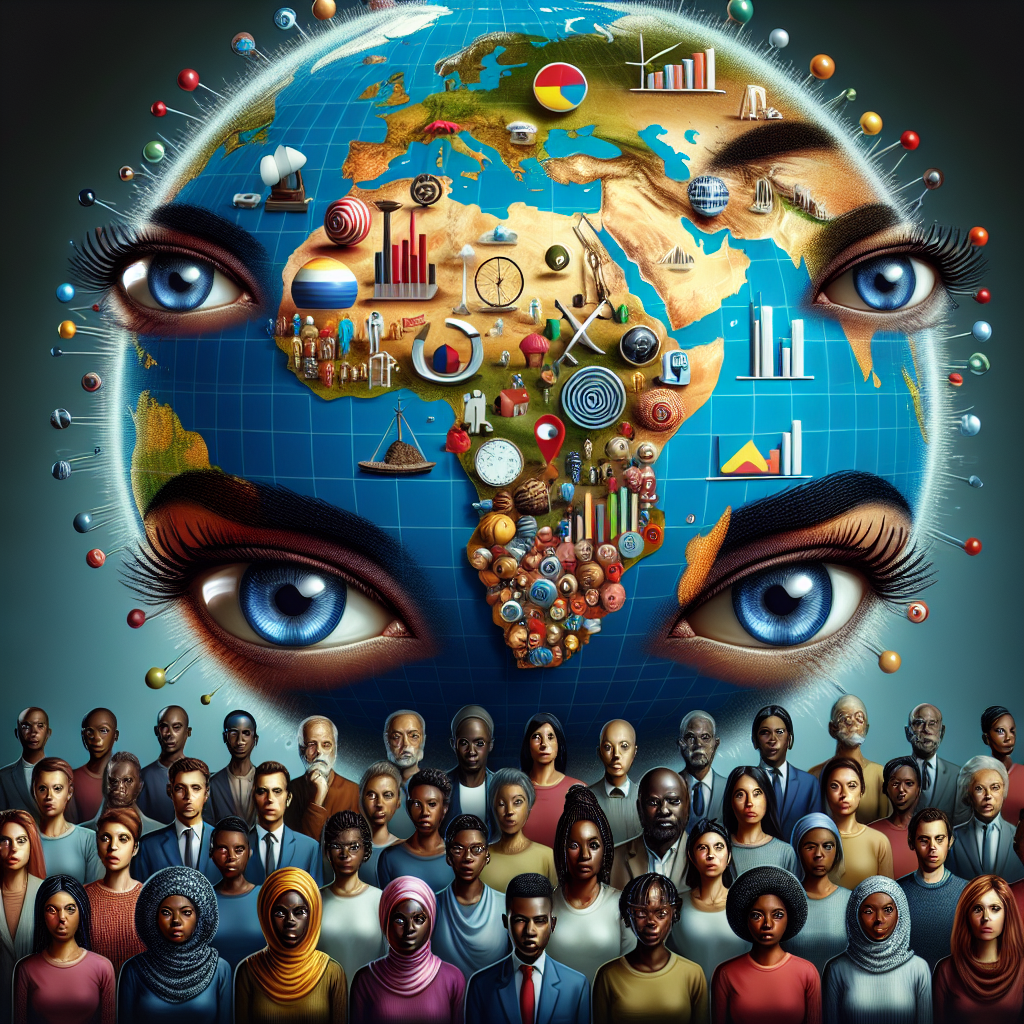
The Impact of Global Perceptions on Africa’s Development

The Impact of Global Perceptions on Africa’s Development
Introduction
Global perceptions significantly influence Africa’s development trajectory. These perceptions shape international policies, investment decisions, and the continent’s overall image on the world stage. Understanding these dynamics is crucial for fostering sustainable growth and development in Africa.

Key Influences of Global Perceptions
- Investment Decisions: Global perceptions can either attract or deter foreign investments. Positive perceptions often lead to increased investment, while negative stereotypes can result in reduced financial inflows.
- Policy Formulation: International policies towards Africa are often influenced by prevailing global narratives, impacting aid, trade agreements, and diplomatic relations.
- Media Representation: The portrayal of Africa in global media can reinforce stereotypes or highlight progress, affecting public opinion and policy decisions.
Challenges Arising from Misperceptions
Despite progress, Africa often faces challenges due to outdated or inaccurate perceptions:


- Stereotyping: Persistent stereotypes of poverty and conflict overshadow the continent’s diverse realities and achievements.
- Underestimation of Potential: Misperceptions can lead to an underestimation of Africa’s economic potential and innovation capabilities.
- Barriers to Development: Negative perceptions can create barriers to development by limiting access to global markets and partnerships.
Strategies for Changing Perceptions
To alter global perceptions and promote development, several strategies can be employed:


- Promoting Success Stories: Highlighting Africa’s achievements in technology, entrepreneurship, and governance can shift narratives.
- Engaging with Global Media: Proactive engagement with international media can help present a balanced view of the continent.
- Strengthening Regional Cooperation: Collaborative efforts among African nations can amplify their voices on the global stage.
Conclusion
Global perceptions play a pivotal role in shaping Africa’s development landscape. By addressing misperceptions and promoting a more nuanced understanding of the continent, Africa can unlock new opportunities for growth and collaboration. The path forward involves a concerted effort to reshape narratives, engage with global stakeholders, and highlight the continent’s vast potential.















