
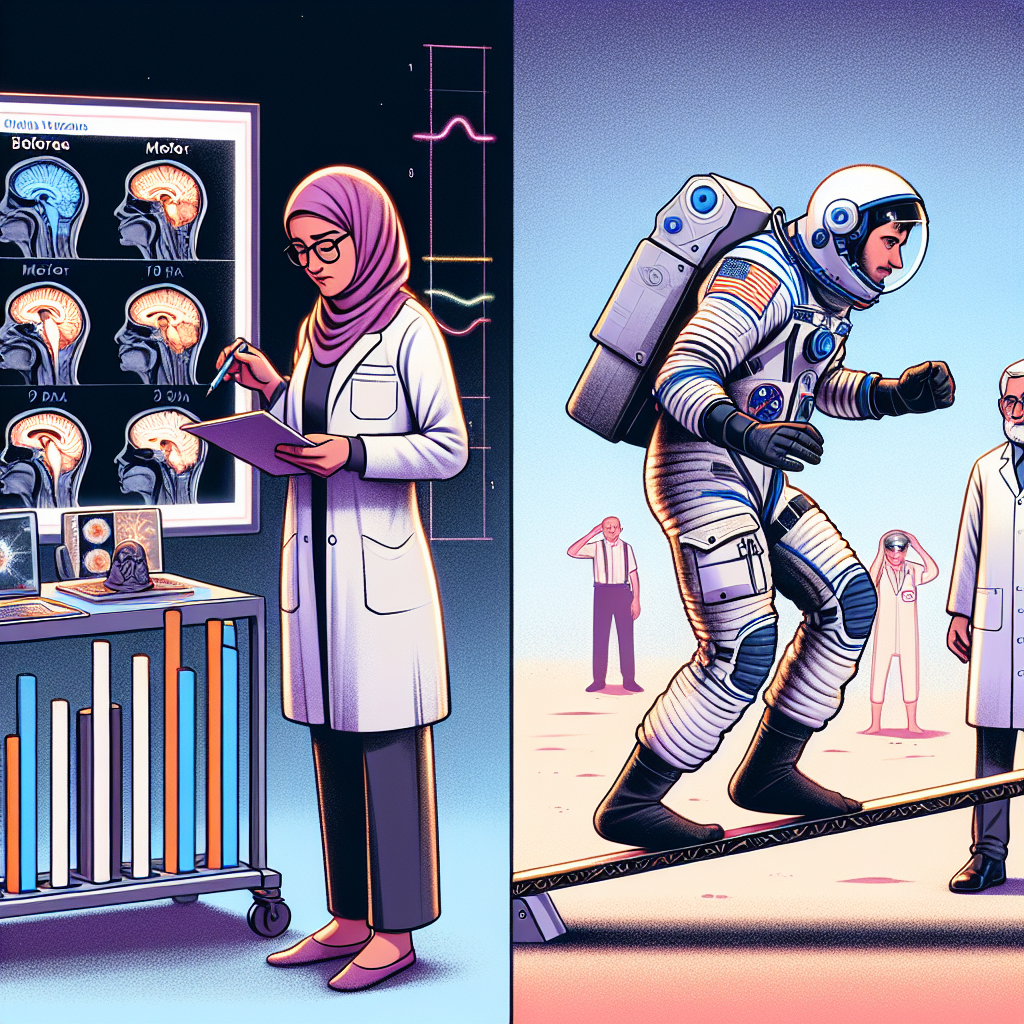
The Impact of Nine Months in Space on Human Balance and Vision

The Impact of Nine Months in Space on Human Balance and Vision
Introduction
Space exploration presents unique challenges to human physiology, particularly affecting balance and vision. Recent studies have focused on understanding these impacts after prolonged space missions, specifically those lasting nine months.

Key Findings
Balance Impairments
Extended periods in microgravity environments can significantly disrupt the human balance system. Key observations include:


- Altered vestibular function, leading to dizziness and disorientation upon return to Earth.
- Delayed recovery of balance, requiring weeks or even months for astronauts to regain normal function.
- Potential long-term effects on balance, necessitating ongoing research and monitoring.
Vision Changes
Vision is another critical area affected by long-duration space missions. Notable changes include:


- Increased intracranial pressure, which can lead to vision impairment.
- Structural changes in the eye, such as flattening of the eyeball and swelling of the optic nerve.
- Persistent vision issues post-mission, with some astronauts experiencing lasting effects.
Implications for Future Missions
Understanding these physiological changes is crucial for the planning of future long-duration space missions, such as those to Mars. Key considerations include:
- Developing countermeasures to mitigate balance and vision issues.
- Implementing pre- and post-mission rehabilitation programs.
- Enhancing spacecraft design to better support human health.
Conclusion
The impact of nine months in space on human balance and vision underscores the need for comprehensive research and innovative solutions to ensure astronaut health and mission success. As space exploration advances, addressing these challenges will be pivotal in paving the way for safe and sustainable human presence beyond Earth.













