
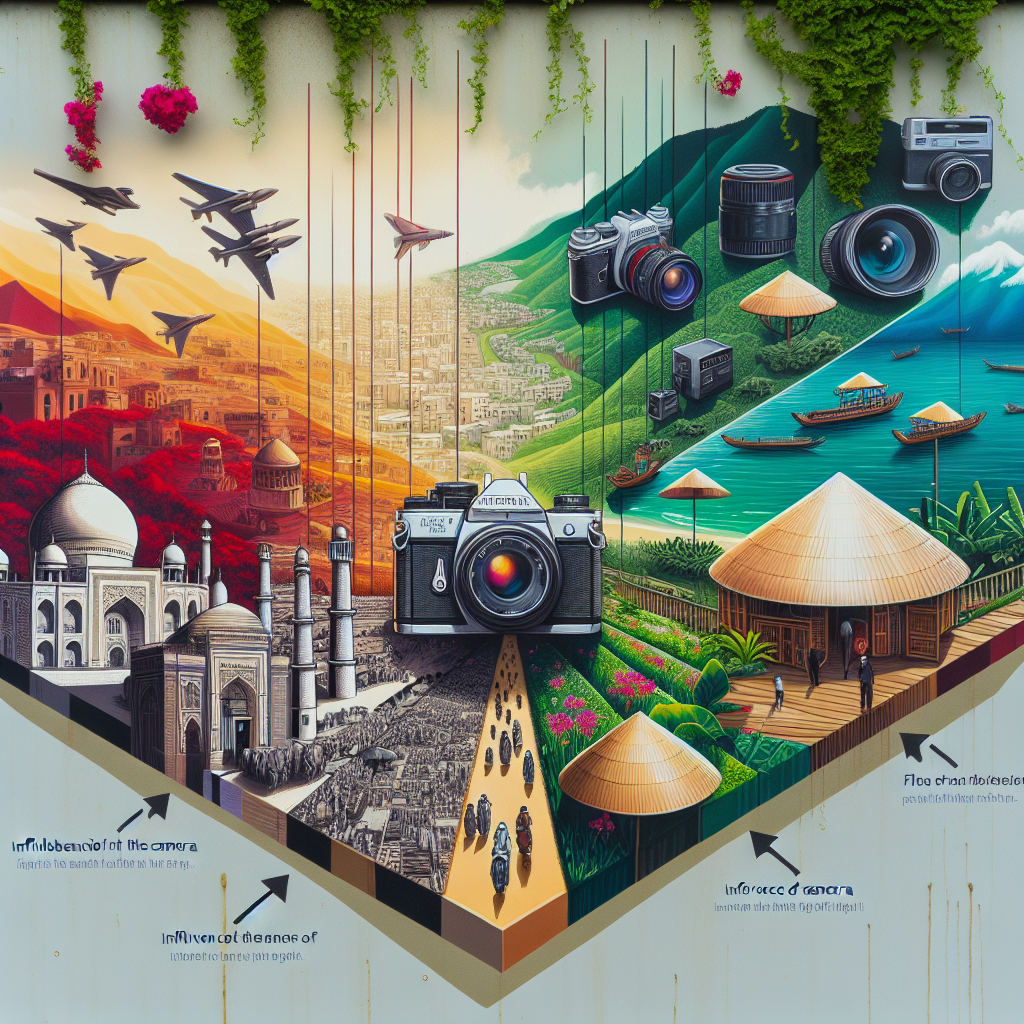
The Impact of Photography: From Gaza to Vietnam

The Impact of Photography: From Gaza to Vietnam
Introduction to the Power of Photography
Photography has long been a powerful medium for storytelling and documentation, capturing moments that words often fail to convey. From the war-torn streets of Gaza to the jungles of Vietnam, photographs have played a crucial role in shaping public perception and influencing historical narratives.

Historical Context and Influence
Throughout history, photography has served as a catalyst for change and awareness, particularly in conflict zones. Key moments captured on film have not only informed the public but have also driven political and social change.


- Gaza: Photographs from Gaza have highlighted the human cost of conflict, bringing international attention to the plight of civilians.
- Vietnam: Iconic images from the Vietnam War, such as the “Napalm Girl,” shifted public opinion and fueled anti-war movements.
Photography as a Tool for Advocacy
Beyond documenting events, photography has become a tool for advocacy, giving a voice to the voiceless and prompting humanitarian responses.


- Images from conflict zones often lead to increased humanitarian aid and intervention.
- Photographers risk their lives to capture the truth, often bringing hidden stories to light.
Challenges and Ethical Considerations
While photography is a powerful tool, it also raises ethical questions about representation, consent, and the potential for exploitation.
- Photographers must navigate the fine line between documenting reality and respecting the dignity of their subjects.
- The impact of graphic images on audiences and the potential for desensitization is a growing concern.
Conclusion: The Lasting Legacy of Photographic Storytelling
Photography continues to be an indispensable medium for capturing the complexities of human experience, particularly in conflict zones. From Gaza to Vietnam, images have not only documented history but have also shaped it, influencing public opinion and policy. As technology evolves, the role of photography in storytelling and advocacy remains as vital as ever.















