
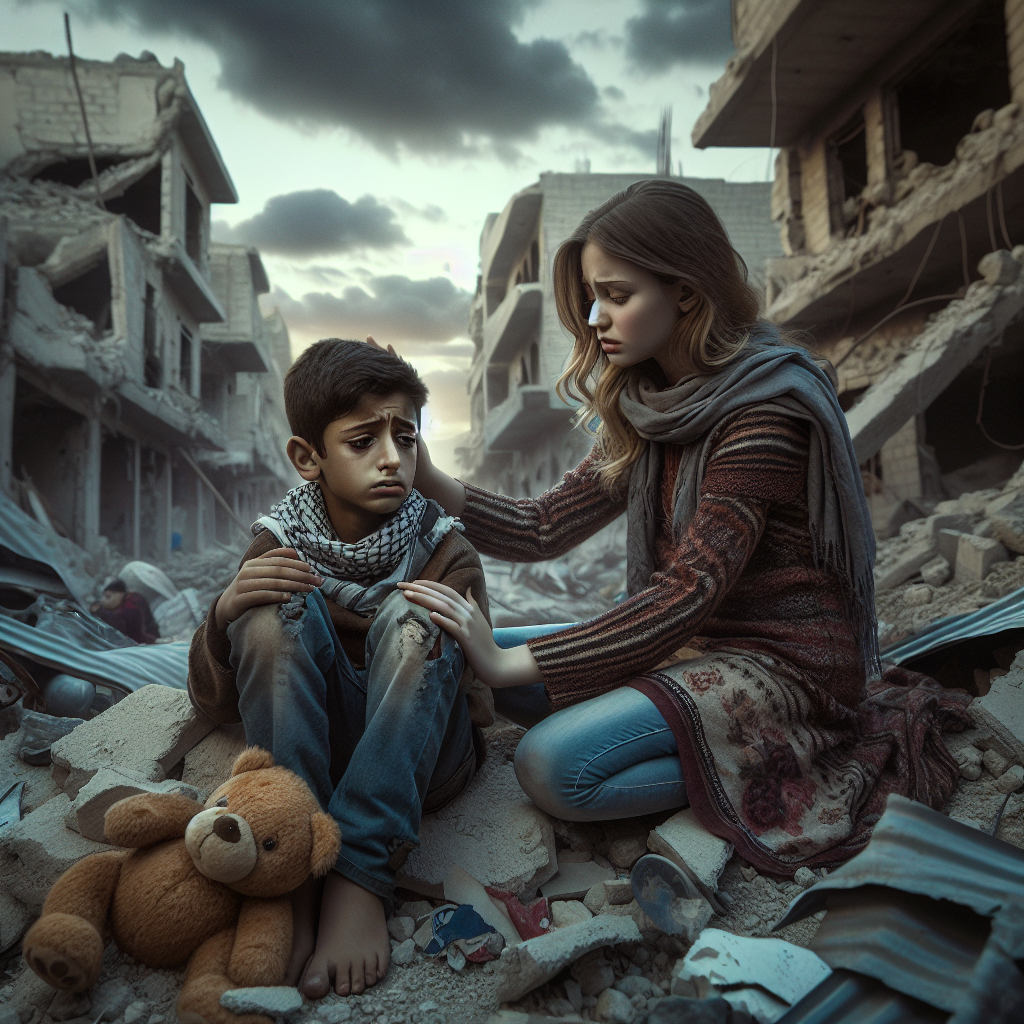
The Lost Innocence: Children Affected by Conflict in Gaza

The Lost Innocence: Children Affected by Conflict in Gaza
Introduction
The ongoing conflict in Gaza has had a profound impact on the region’s youngest and most vulnerable population—its children. This summary explores the multifaceted effects of the conflict on children, highlighting the urgent need for humanitarian intervention and long-term solutions.

Psychological Impact
Children in Gaza are experiencing severe psychological distress due to the constant threat of violence and instability. Key psychological effects include:


- Increased anxiety and depression
- Post-traumatic stress disorder (PTSD)
- Behavioral changes and aggression
Educational Disruption
The conflict has severely disrupted the education system, leaving many children without access to consistent learning opportunities. Challenges include:


- Destruction of schools and educational facilities
- Interruption of academic schedules
- Lack of resources and qualified teachers
Health and Nutrition
Children’s health and nutrition have been compromised due to the conflict, leading to alarming rates of malnutrition and health issues. Contributing factors are:
- Limited access to healthcare services
- Shortages of food and clean water
- Inadequate medical supplies and facilities
Social and Economic Challenges
The broader social and economic environment in Gaza exacerbates the difficulties faced by children, with issues such as:
- High unemployment rates affecting family income
- Social instability and lack of community support
- Increased child labor as families struggle to survive
Conclusion
The plight of children in Gaza underscores the urgent need for comprehensive humanitarian aid and sustainable peace efforts. Addressing the psychological, educational, health, and socio-economic challenges is crucial to restoring hope and rebuilding the future for these young lives. The international community must prioritize the protection and well-being of children in conflict zones to prevent a lost generation.















