
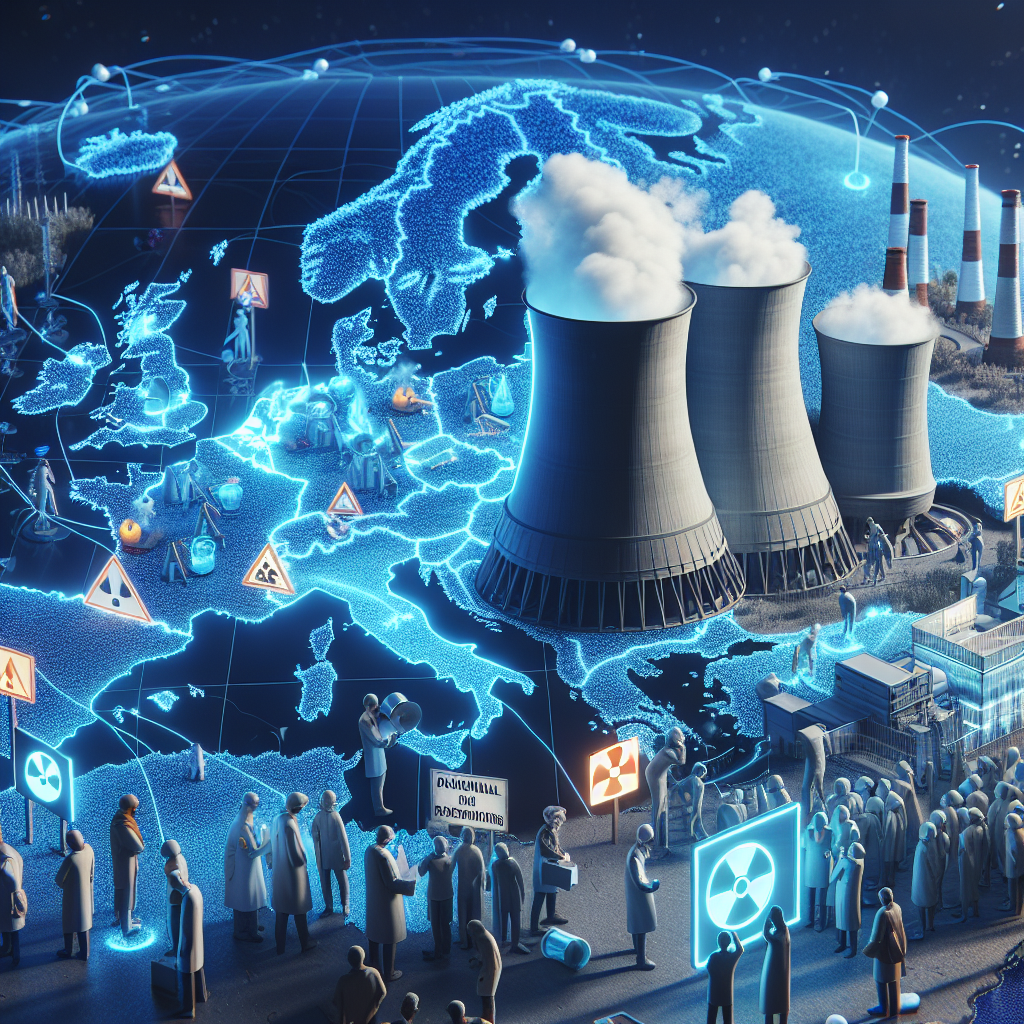
The Perils of Europe’s Shift to Nuclear Energy

The Perils of Europe’s Shift to Nuclear Energy
Introduction
As Europe grapples with energy security and climate change, nuclear energy emerges as a controversial solution. While it promises a low-carbon future, the transition is fraught with challenges and risks that need careful consideration.

Key Challenges
- Safety Concerns: The potential for catastrophic accidents, as seen in Chernobyl and Fukushima, remains a significant worry.
- Waste Management: Long-term storage of radioactive waste poses environmental and logistical challenges.
- High Costs: Building and maintaining nuclear plants require substantial financial investment, often leading to budget overruns.
- Public Opposition: Historical fears and environmental concerns fuel resistance among communities and advocacy groups.
Geopolitical Implications
The shift to nuclear energy also has geopolitical ramifications. Europe’s reliance on uranium imports could create new dependencies, while the technology’s dual-use nature raises proliferation concerns.
Ads


Potential Benefits
- Reduced Carbon Emissions: Nuclear energy offers a cleaner alternative to fossil fuels, aiding in climate goals.
- Energy Security: Diversifying energy sources can reduce reliance on volatile fossil fuel markets.
- Technological Advancements: Innovations in reactor design promise safer and more efficient energy production.
Conclusion
Europe’s shift to nuclear energy is a complex endeavor with significant risks and rewards. While it offers a path to a sustainable energy future, the challenges of safety, cost, and public acceptance must be addressed. Balancing these factors will be crucial for a successful transition.
Ads

Ads

Ads

Ads

Ads

Ads

Ads

Ads

Ads

Ads

Ads

Ads

Ads





