
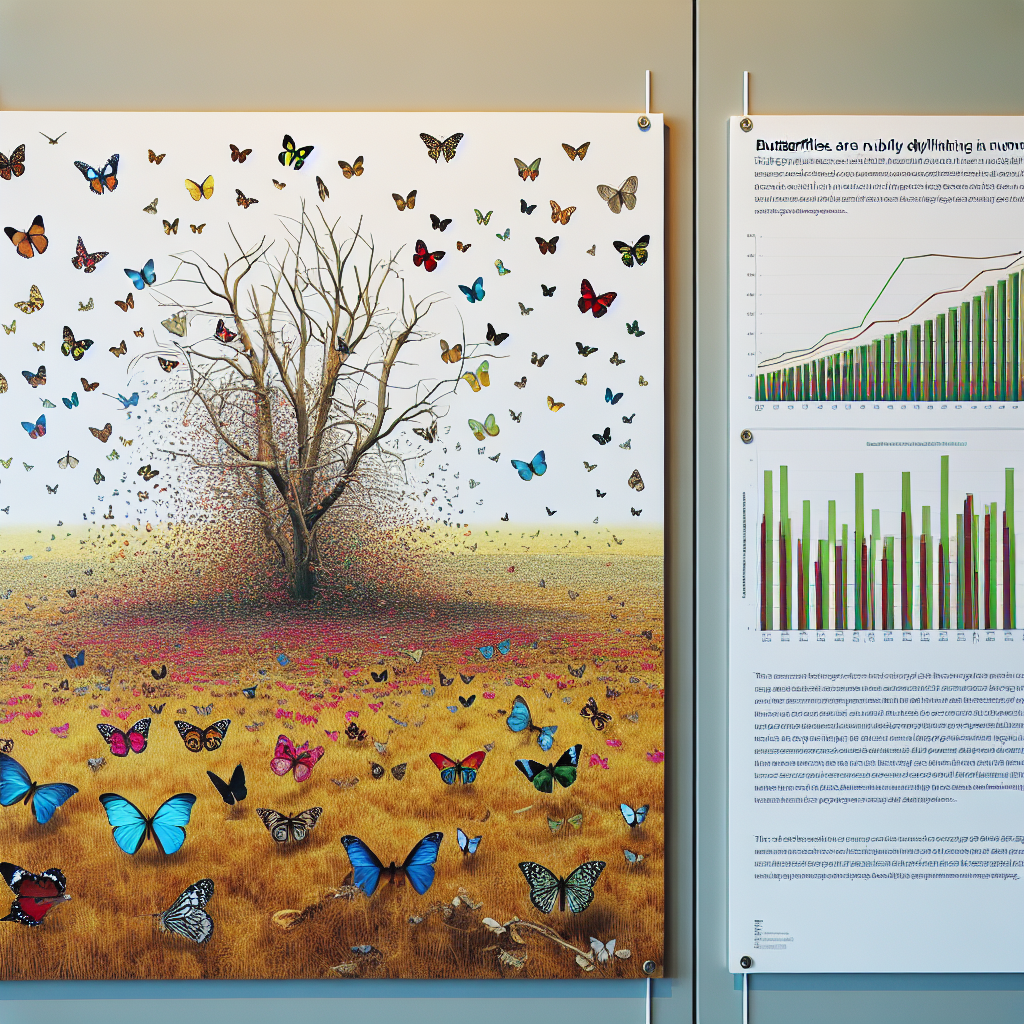
The Rapid Decline of US Butterflies: Why It Matters to You

The Rapid Decline of US Butterflies: Why It Matters to You
The Current Crisis
Butterflies across the United States are experiencing a significant decline in population. This alarming trend is attributed to various factors, including habitat loss, climate change, and pesticide use. The decline of these vibrant pollinators poses a threat not only to biodiversity but also to the ecological balance and agricultural productivity.

Key Factors Driving the Decline
- Habitat Loss: Urbanization and agricultural expansion are leading to the destruction of natural habitats.
- Climate Change: Altered weather patterns and temperature shifts disrupt butterfly life cycles and migration.
- Pesticide Use: Chemicals used in farming can be toxic to butterflies and other pollinators.
Why Butterflies Matter
Butterflies play a crucial role in pollination, which is essential for the reproduction of many plants, including crops. Their decline can lead to reduced plant diversity and impact food production. Additionally, butterflies are indicators of a healthy environment, and their presence reflects the overall health of ecosystems.


What You Can Do
- Create Butterfly-Friendly Spaces: Plant native flowers and shrubs to provide food and shelter.
- Reduce Pesticide Use: Opt for natural pest control methods to protect pollinators.
- Support Conservation Efforts: Engage with organizations working to preserve butterfly habitats.
Conclusion
The decline of US butterflies is a pressing environmental issue with far-reaching implications. By understanding the causes and taking action to support butterfly populations, individuals can contribute to preserving biodiversity and ensuring ecological stability. Protecting these delicate creatures is not just an environmental concern but a necessity for sustaining life as we know it.















