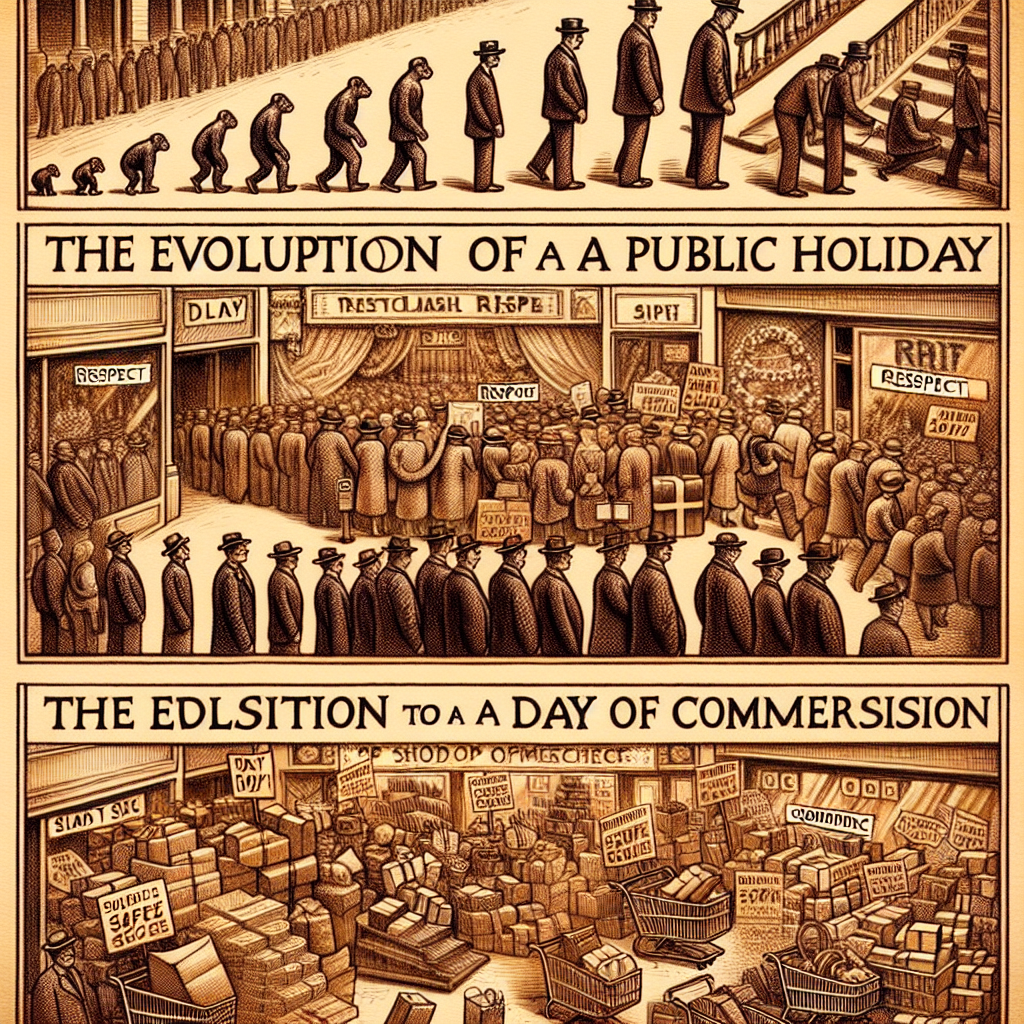
The Transformation of Presidents Day: From Honor to Commerce

The Transformation of Presidents Day: From Honor to Commerce
Introduction
Presidents Day, originally established to honor the legacy of George Washington, has undergone a significant transformation over the years. This federal holiday, celebrated on the third Monday of February, has shifted from a day of remembrance to a major commercial event.

Historical Background
Initially known as Washington’s Birthday, the holiday was first celebrated in the 1880s. It was intended to honor the first President of the United States and his contributions to the nation. Over time, the holiday evolved to include the commemoration of Abraham Lincoln’s birthday, leading to the more inclusive term, Presidents Day.


Shift to Commercialization
In recent decades, Presidents Day has become synonymous with retail sales and promotions. This shift can be attributed to several factors:


- Retail Opportunities: Businesses capitalize on the long weekend to offer significant discounts, drawing in consumers.
- Marketing Strategies: Companies use patriotic themes to align their sales with the holiday, enhancing consumer engagement.
- Consumer Behavior: Shoppers anticipate Presidents Day sales, making it a key date in the retail calendar.
Impact on Public Perception
The commercialization of Presidents Day has altered public perception, with many viewing it primarily as a shopping event rather than a day of historical reflection. This shift raises questions about the balance between honoring historical figures and engaging in consumerism.
Conclusion
Presidents Day has evolved from a day of honoring past leaders to a significant commercial event. While it still serves as a reminder of presidential legacies, its current form highlights the growing influence of consumer culture. As the holiday continues to evolve, it remains a reflection of broader societal trends.