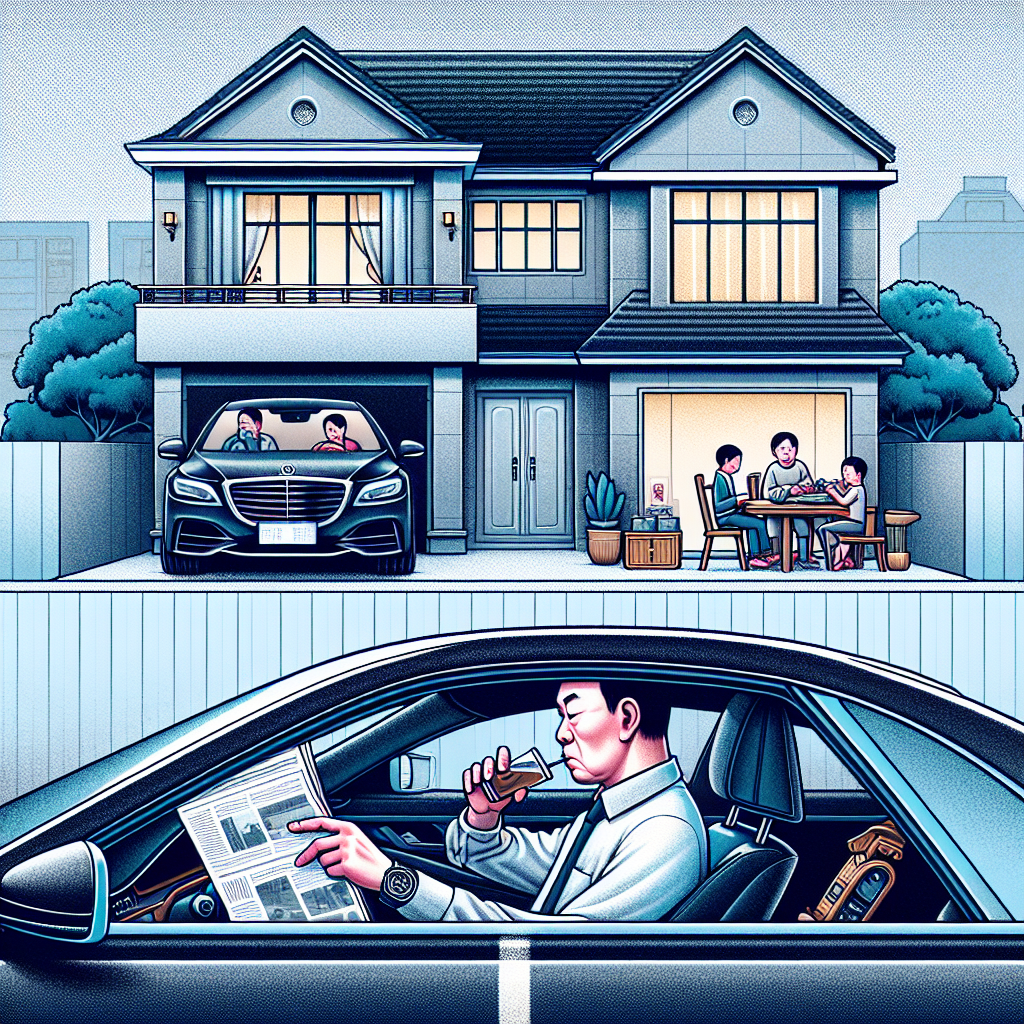
The Unusual Choice: Why a Chinese Homeowner Prefers His Car Over a 4-Storey House

The Unusual Choice: Why a Chinese Homeowner Prefers His Car Over a 4-Storey House
Introduction
In a surprising turn of events, a Chinese homeowner has chosen to live in his car rather than a spacious 4-storey house. This decision has sparked curiosity and debate, shedding light on the unique circumstances and personal preferences that led to this unconventional lifestyle choice.

Key Reasons Behind the Decision
- Financial Considerations: The homeowner cites the high cost of maintaining a large property as a significant factor. Living in a car reduces expenses related to utilities, property taxes, and maintenance.
- Minimalist Lifestyle: Embracing minimalism, the homeowner values simplicity and the freedom that comes with owning fewer possessions.
- Mobility and Flexibility: A car offers the ability to travel and relocate easily, providing a sense of adventure and flexibility that a stationary home cannot.
Public Reaction and Cultural Context
The decision has sparked mixed reactions from the public. While some admire the homeowner’s bold choice and commitment to a minimalist lifestyle, others question the practicality and comfort of living in a car. This situation also highlights broader cultural trends in China, where urbanization and rising property costs are influencing housing decisions.


Implications and Broader Trends
- Rising Property Costs: The high cost of real estate in urban areas is prompting individuals to explore alternative living arrangements.
- Shift Towards Minimalism: There is a growing trend towards minimalism, with more people prioritizing experiences over material possessions.
- Innovative Living Solutions: This case exemplifies the need for innovative and flexible housing solutions in response to changing economic and social dynamics.
Conclusion
The choice of a Chinese homeowner to live in his car rather than a 4-storey house underscores a shift in values and priorities. It highlights the impact of financial pressures, the appeal of minimalism, and the desire for mobility. As housing costs continue to rise, such unconventional living arrangements may become more common, reflecting broader societal changes.