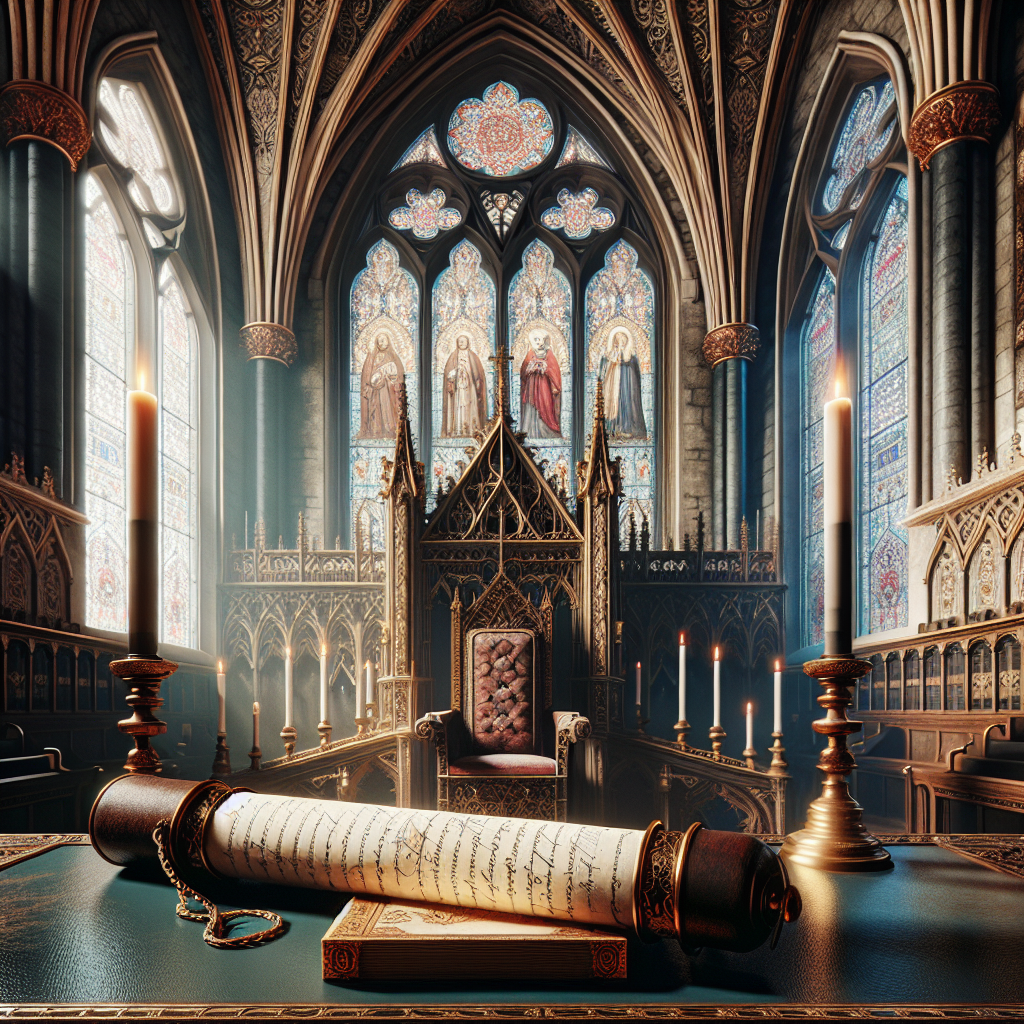
The Vatican Protocol: Succession Plans When a Pope Steps Down

The Vatican Protocol: Succession Plans When a Pope Steps Down
Introduction to Papal Succession
The Vatican, a bastion of tradition and religious authority, has a well-defined protocol for the succession of a pope. This process, steeped in history and ritual, ensures a seamless transition of leadership within the Catholic Church. Understanding these protocols provides insight into the intricate workings of one of the world’s oldest institutions.

Key Elements of the Succession Protocol
When a pope steps down, whether by resignation or death, the Vatican follows a meticulous procedure to elect a new leader. This process is designed to maintain stability and continuity within the Church.


- Conclave: The College of Cardinals convenes in a secretive gathering known as the conclave to elect the new pope.
- Secrecy and Security: Strict measures are in place to ensure the confidentiality of the proceedings, including the sealing of the Sistine Chapel.
- Voting Process: Cardinals cast their votes in a series of ballots until a candidate receives a two-thirds majority.
- Announcement: The election result is announced with the traditional “Habemus Papam” (“We have a pope”) proclamation.
Historical Context and Modern Adaptations
The protocol for papal succession has evolved over centuries, adapting to modern needs while preserving its core traditions. Recent changes reflect a balance between maintaining historical practices and addressing contemporary challenges.


- Resignation Precedents: While rare, papal resignations have historical precedents, with Pope Benedict XVI’s 2013 resignation being a notable example.
- Technological Considerations: Modern technology is carefully managed to prevent leaks and ensure the integrity of the conclave.
Conclusion
The Vatican’s protocol for papal succession is a testament to the Church’s commitment to tradition and order. By adhering to these established procedures, the Catholic Church ensures a smooth transition of leadership, preserving its spiritual and organizational continuity. This process not only reflects the Church’s rich history but also its ability to adapt to the changing world while maintaining its core values.