
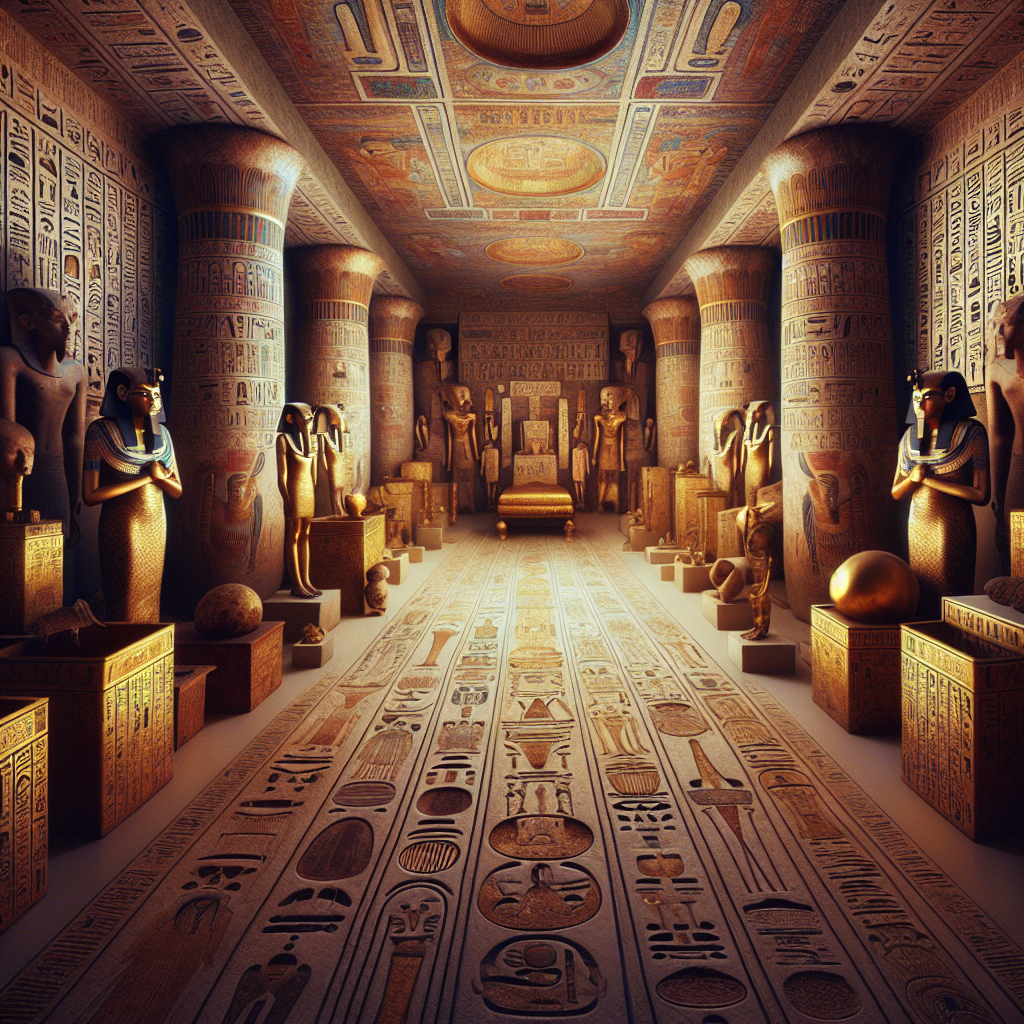
Thutmose II’s Tomb: Egypt’s Most Significant Archaeological Find Since 1922

Thutmose II’s Tomb: A Monumental Archaeological Discovery
Introduction to the Discovery
In a groundbreaking revelation, archaeologists have unearthed the tomb of Pharaoh Thutmose II, marking Egypt’s most significant archaeological find since the discovery of Tutankhamun’s tomb in 1922. This discovery offers unprecedented insights into ancient Egyptian history and culture.

Key Highlights of the Discovery
- Location: The tomb was discovered in the Valley of the Kings, a site renowned for its royal burials.
- Condition: Remarkably well-preserved, the tomb contains intricate hieroglyphics and artifacts that have remained untouched for millennia.
- Artifacts: A treasure trove of items, including jewelry, pottery, and ceremonial objects, was found, providing a glimpse into the opulence of Thutmose II’s reign.
- Historical Significance: The tomb’s contents are expected to shed light on the political and cultural dynamics of the 18th Dynasty.
Implications for Egyptology
This discovery is poised to revolutionize our understanding of ancient Egyptian civilization. The artifacts and inscriptions found within the tomb are anticipated to offer new perspectives on the life and times of Thutmose II, as well as the broader historical context of his era.


Conclusion
The unearthing of Thutmose II’s tomb is a monumental event in the field of archaeology, comparable to the discovery of Tutankhamun’s tomb. It promises to enrich our knowledge of ancient Egypt and inspire further exploration and study. As researchers continue to analyze the findings, the world eagerly awaits the new stories and insights that will emerge from this extraordinary discovery.

















