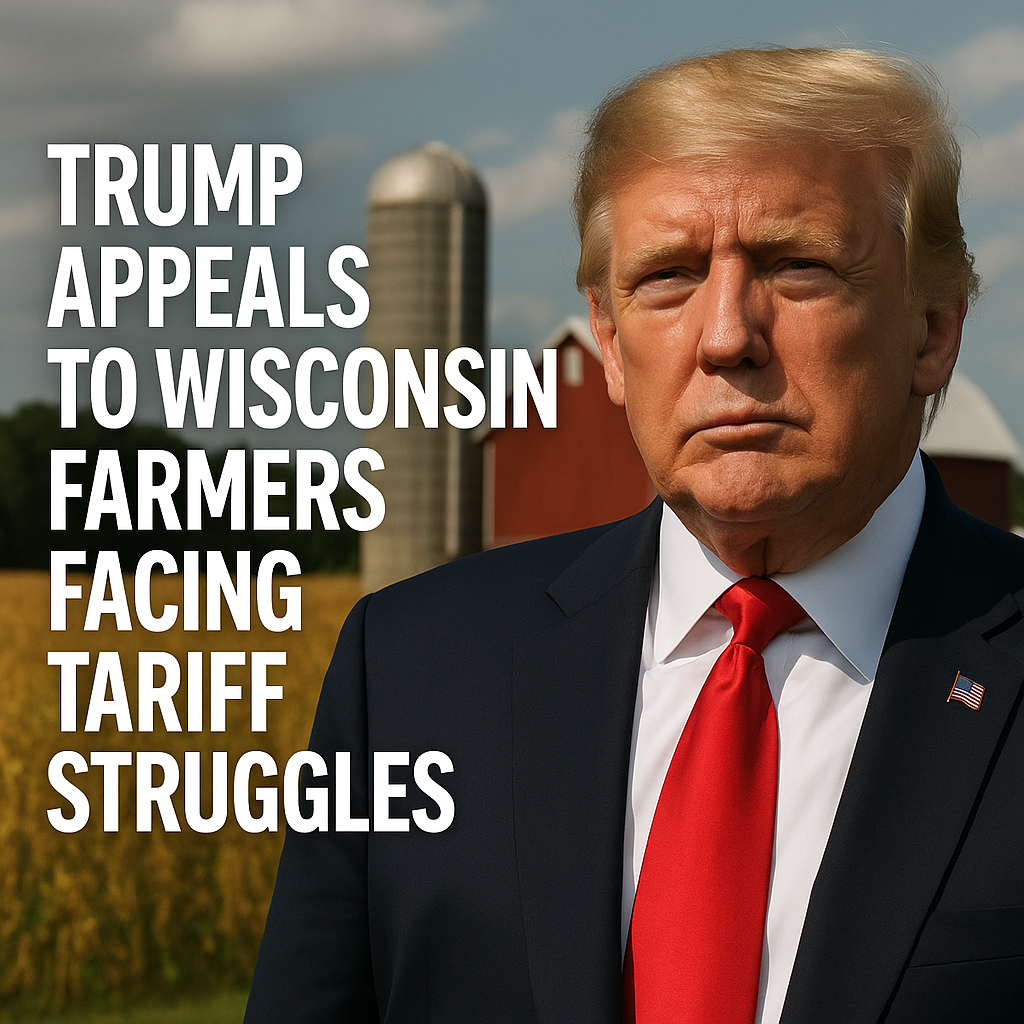
Trump Appeals to Wisconsin Farmers Facing Tariff Struggles

In recent weeks, former President Donald Trump has intensified his outreach to Wisconsin farmers, a demographic significantly affected by tariffs and rising costs. By framing his message around the struggles these farmers face, he aims to resonate with an essential voting block ahead of upcoming elections.

The Impact of Tariffs on Wisconsin Farmers
Wisconsin’s agricultural sector is at a crossroads, grappling with the repercussions of trade policies instituted during Trump’s administration. A significant factor contributing to their turmoil is the impact of tariffs, particularly those placed on key agricultural exports. According to reports from Al Jazeera, farmers have been dealing with not only reduced access to international markets but also plummeting prices for crops domestically. Many have expressed feelings of abandonment as their livelihoods hang in the balance.


The tariffs imposed by the previous administration were intended to level the playing field against countries like China, but the immediate aftermath saw Wisconsin farmers facing retaliatory tariffs. For instance, dairy and soybean producers, pivotal in the state’s agricultural economy, have endured financial losses, causing increased anxiety about their futures. A recent report indicated that many farmers are struggling with debt, as prices have remained depressed, and financial relief has proven elusive.


Trump’s Messaging: A Return to Familiar Rhetoric
In his latest campaign events, Trump has refocused on the grievances of agricultural workers, using language that emphasizes local pride and the importance of farming to the American identity. He argues that his administration’s policies aimed to protect farmers but claims that current leadership has reversed those gains. By highlighting stories of struggle and resilience, Trump positions himself as the champion of the farming community, leveraging memories of a time when he was in office to galvanize support.
However, not all feedback has been uniformly supportive. Critics and some farmers hint at a complexity in their sentiments regarding Trump’s return. While many appreciate his acknowledgment of their struggles, there is hesitance regarding the efficacy of his proposed solutions. Some farmers have voiced skepticism about whether reverting to previous policies would actually address the multifaceted problems they face today, especially amid a rapidly changing global economy.
The Path Forward: Diverse Perspectives
Opinions vary widely among Wisconsin farmers about Trump’s proposals to mitigate their struggles. Some commend his direct engagement, while others remain cautious, citing a mix of hope and skepticism born from past experiences. “We need a more comprehensive approach,” said one local farmer, highlighting that agriculture is influenced by varying factors beyond tariffs, including climate change, labor shortages, and market demands.
Farmers emphasize the importance of policies that not only combat tariffs but also promote sustainable practices and fair trade agreements. Many agriculture experts argue that the path forward should involve collaboration across different sectors of the farming community, allowing for diverse voices to contribute to a comprehensive strategy.
As Trump moves forward with promises to support farmers, various stakeholders urge a more nuanced discussion about the complexities facing agricultural producers today. They advocate for a variety of solutions that encompass technological innovations, climate resilience, and market diversification.
Conclusion: A Complex Landscape Ahead
The intersection of politics and agriculture in Wisconsin is rich with differing viewpoints and pressing challenges. As Trump seeks to connect with farmers grappling with tariff-related struggles, he reopens a dialogue about agricultural policy that is more than just about trade barriers. The road ahead for Wisconsin farmers is fraught with uncertainties, indicating that while political promises may offer a glimmer of hope, the reality of their situation requires deeper engagement and creative solutions. The complexity of their needs cannot be understated, nor can the critical need for responsible leadership that truly understands the intricacies of modern farming.