
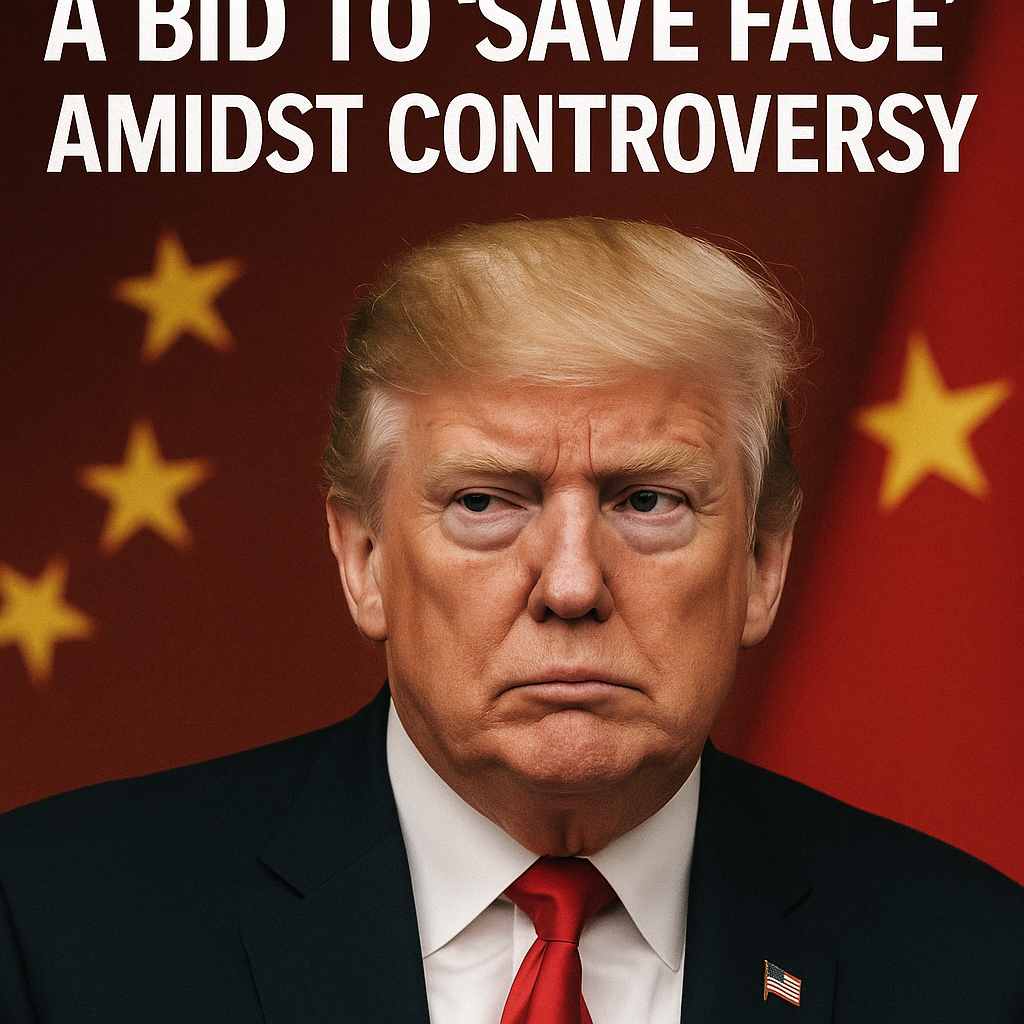
Trump’s China Trip: A Bid to ‘Save Face’ Amidst Controversy

Trump’s China Trip: A Bid to ‘Save Face’ Amidst Controversy
Former President Donald Trump’s recent visit to China comes at a time when U.S.-China relations are particularly strained. While his trip has been framed by some as a diplomatic outreach, it also raises questions about his motivations and the broader implications for both nations.

The Diplomatic Landscape
At the core of Trump’s visit is the ongoing tension between the U.S. and China, characterized by trade disputes, military confrontations in the South China Sea, and human rights issues in Xinjiang. According to reports from RT News, this trip is seen as an opportunity for Trump to “save face” in light of these controversies, especially as he aims to regain prominence in U.S. politics. This perspective suggests that the former President is leveraging the visit to bolster his image and reaffirm his role in international discussions.


Conversely, analysts from Al Jazeera highlight that the trip also represents a chance for genuine engagement between the two nations. They argue that regional stability and economic interdependence necessitate dialogue, even if it occurs in the backdrop of deep-rooted disagreements. The news outlet emphasizes that reciprocal visits could pave the way for negotiations that may ease tensions and foster better mutual understanding.


The American Political Angle
Trump’s visit is also intricately tied to the upcoming presidential elections. Political analysts suggest that his actions on foreign soil can rekindle support from his base, who uphold a strong nationalistic view correlating to America’s stance against China. As detailed in various Sky News reports, there are concerns that using international affairs for personal political gain could undermine the gravity of the issues at hand.
On the flip side, some political commentators argue that diplomacy should not be sidelined for political grandstanding. They contend that regardless of Trump’s motivations, any positive outcomes from his engagement with China could benefit the U.S. as a whole. These contradicting views point to a precarious balancing act: the necessity for diplomacy amidst a contentious political landscape.
Complexities of U.S.-China Relations
The ramifications of Trump’s trip extend beyond his political aspirations. The U.S.-China relationship is complicated, with economic interdependencies that include trade agreements, supply chains, and global market stability. Recent data highlighted by RT News indicates that tensions over tariffs and intellectual property theft could take center stage during discussions, pointing to a potential for constructive dialogue even amid underlying discord.
Additionally, China’s domestic policies, particularly regarding human rights, add layers of complexity. Trump’s framing of such topics during his visit will be crucial. While he has often adopted a confrontational tone regarding Beijing’s handling of human rights, analysts assert that a cooperative or conciliatory approach could yield better long-term results for U.S. interests.
Looking Ahead: Challenges and Opportunities
As Trump navigates this trip, the outcome remains uncertain. Some foresee a productive engagement that could lead to de-escalation in trade tensions, while others are skeptical, viewing it as a mere photo opportunity. The reality may lie somewhere in between, where both nations acknowledge their differences but also recognize the detrimental effects of ongoing hostility.
It’s essential to consider that while Trump’s motivations could indeed be self-serving, the broader context of U.S.-China relations implies that positive diplomatic exchanges are critical. The ability to “save face” on both sides could lead to a new chapter in their relations, one that prioritizes dialogue over confrontation.
In conclusion, Trump’s trip to China illuminates the multifaceted nature of international diplomacy and the challenges of balancing political ambitions with the need for cooperative engagement. As the world watches closely, the ripple effects of this visit will likely resonate beyond immediate sound bites and into the future of U.S.-China relations.















