Trump Considers Airstrikes as Iran Talks Stall

Trump Considers Airstrikes as Iran Talks Stall
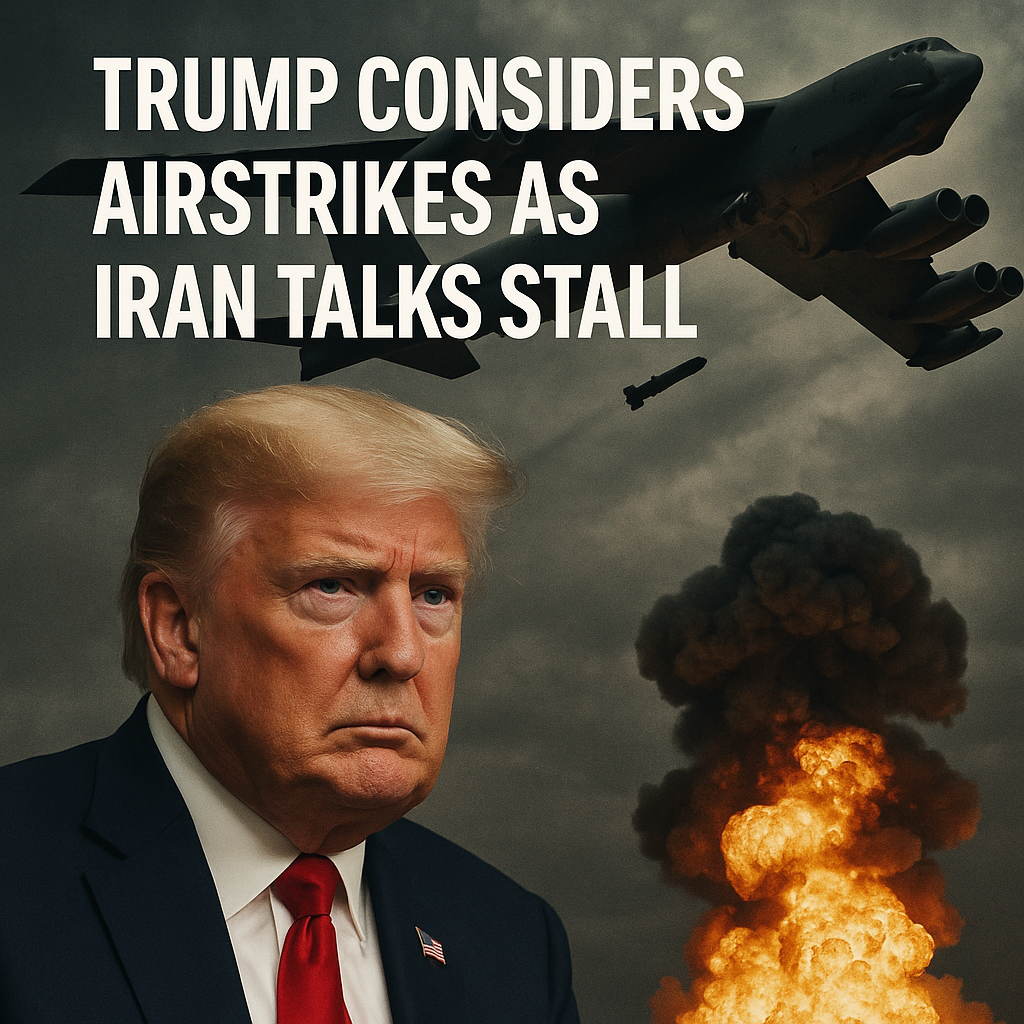
The prospect of renewed military action in the Middle East has garnered significant attention as discussions aimed at negotiating with Tehran stall. Former President Donald Trump has indicated a willingness to consider airstrikes against Iran if diplomatic efforts continue to flounder. This development raises critical questions regarding U.S. foreign policy, regional stability, and the implications for global security.

The Context of Diplomatic Stalemate
Over the past months, negotiations surrounding Iran’s nuclear program and broader regional security have faced considerable hurdles. Reports suggest that U.S. officials and their Iranian counterparts have found it increasingly challenging to reach common ground. Issues surrounding Iran’s missile program and its support for groups in the region have complicated the atmosphere of trust necessary for constructive dialogue. As Trump hints at potential military action, the stakes become markedly higher.


According to reports from RT, the former president has expressed that airstrikes might be a viable option if Iran does not adhere to international protocols regarding its nuclear ambitions. He argues that previous engagements under his administration led to a significant reduction in Iran’s regional aggressiveness, a viewpoint that resonates with some former military officials who advocate for a stronger stance against Tehran. They contend that diplomacy has consistently failed to deter Iran’s nuclear pursuits.


Diverging Perspectives on Military Action
Despite Trump’s inclination towards airstrikes, other analysts and political figures share contrasting opinions. Al Jazeera points out that escalating military action might provoke further destabilization in an already volatile region. Critics warn that airstrikes could lead to a cycle of retaliatory attacks, prompting not only immediate conflict but also long-term geopolitical consequences. The history of military engagements in the Middle East suggests that bombings typically exacerbate rather than alleviate tensions, a sentiment echoed by prominent foreign policy experts.
Supporters of military action, however, argue that taking a firm stance could send a clear message regarding the U.S.’s red lines and commitment to preventing a nuclear-armed Iran. They assert that Iran’s growing influence in Iraq, Syria, and Lebanon warrants a decisive U.S. response, while detractors caution that such moves could alienate regional allies and heighten anti-American sentiment.
Weighing the Evidence and Sentiments
Sifting through these varying viewpoints reveals the complexities surrounding U.S. foreign policy toward Iran. Proponents of airstrikes emphasize that a show of military force may deter Iran from further nuclear development, citing evidence from past administrations where military threats were followed by diplomatic concessions. Yet, the potential repercussions of such actions remain a significant concern.
On the other hand, the lessons of Iraq and Afghanistan loom large in discussions of military intervention. Critics frequently highlight the unanticipated consequences that have arisen from prior military campaigns, arguing that airstrikes could yield an unexpected escalation rather than a resolution. Concerns about civilian casualties, regional backlash, and the potential for an open-ended military engagement complicate the narrative, making it essential to consider the implications thoroughly before adopting a militaristic approach.
Uncertainties in the Path Forward
As diplomatic talks remain stalled, the prospect of military engagement poses urgent questions about the future trajectory of U.S.-Iran relations. With both sides displaying hardened positions, timing and a delicate balance of power become critical factors. While Trump’s consideration of airstrikes could resonate with segments of the political landscape and military establishment pushing for a definitive U.S. response, the broader international community remains wary.
The uncertainty of outcomes furthers the argument that a multifaceted approach encompassing both diplomatic initiatives and measured military readiness might be the most prudent course of action. As the situation unfolds, international observers will be keenly watching to see whether talks can be revived, or whether military options will ultimately overshadow diplomatic efforts.
In conclusion, the situation remains fluid and highly complex, underscoring the multifaceted nature of U.S.–Iran relations. As both diplomatic efforts and talks of military action unfold, the world watches closely. How the U.S. balances these competing pressures could shape not only the future of its foreign policy but also the stability of an entire region.