
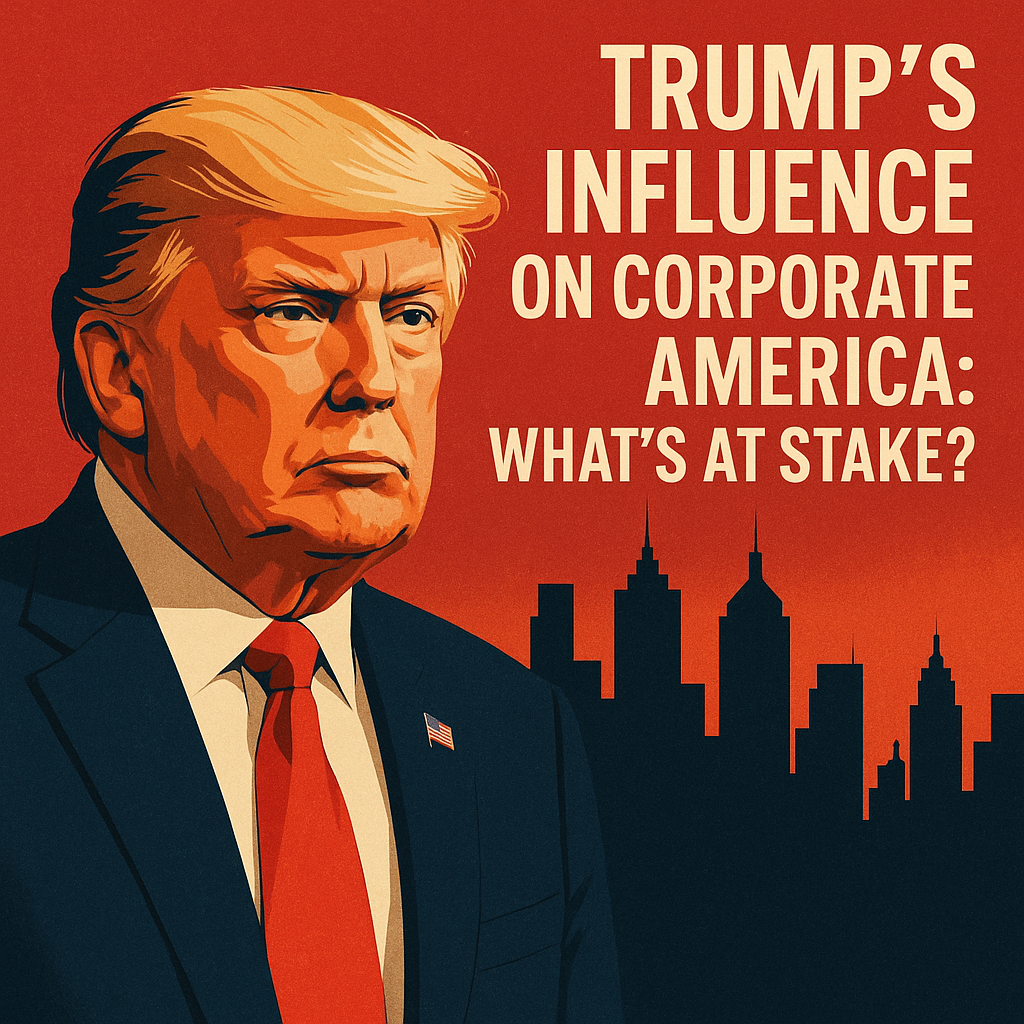
Trump’s Influence on Corporate America: What’s at Stake?

Trump’s Influence on Corporate America: What’s at Stake?
Donald Trump’s impact on corporate America has been a subject of intense debate, reflecting the intertwining of politics and business in contemporary society. As conversations unfold regarding his potential return to influence, understanding the stakes involved is essential for both companies and consumers.

The Shift in Corporate Practices
Over the past few years, many corporations have shown a willingness to engage politically, often aligning themselves with the values and interests championed by Trump. This alignment is not merely a trend; it signifies a deeper shift within corporate governance and stakeholder engagement.


Emphasis on Brand Loyalty and Political Messaging
Companies like Disney, Nike, and others have pioneered this new landscape where brand loyalty increasingly hinges on a company’s political stance. According to reports, Trump’s policies have led some businesses to reevaluate their public relations strategies. Businesses may adopt divergent strategies, whether leaning towards conservative values or embracing more progressive stances.


– For example:
– Conservative Alignment: Some corporations have openly supported legislation favoring tax cuts and deregulation, both of which were cornerstones of Trump’s presidency. This alignment could bolster profits in the short term but risks alienating a segment of consumers who prioritize social responsibility.
– Progressive Moves: Conversely, companies that supported diversity and environmental initiatives might find themselves in opposition to Trump-led policies, causing friction with stakeholder groups who favor traditional values.
The corporate response to Trump’s influence often leaves companies in a precarious balancing act of managing consumer expectations and shareholder profits.
Divided Opinions
The question of Trump’s legacy in business circles has elicited varied responses from different factions within corporate America. Some executives view his policies as beneficial for economic growth, while others express concerns about the long-term implications for brand integrity and corporate responsibility.
Supporters Highlight Economic Gains
Proponents argue that Trump’s focus on deregulation and tax reform has created a more favorable environment for doing business. They emphasize the following points:
– Deregulation Benefits: By reducing bureaucratic hurdles, small and large businesses alike have reported improved operational capacities.
– Tax Reform Impact: The 2017 Tax Cuts and Jobs Act has been credited with increasing corporate investment and job creation, particularly in sectors like manufacturing and energy.
Critics Warn of Ethical Risks
In contrast, critics caution that close ties to Trump and his policies could harm the reputation of corporations in the eyes of a more socially-conscious consumer base. Risks highlighted include:
– Fading Consumer Trust: Aligning too closely with controversial figures can erode public trust, especially in younger demographics who prioritize social issues.
– Backlash: Companies that overtly endorse or oppose Trump-related policies may face backlash, leading to boycotts or negative media coverage.
Such criticisms raise fundamental questions about the degree to which corporations should engage in political discourse and the potential fallout of taking a stand.
Navigating the Future: Uncertain Outcomes
As the landscape continues to evolve, the future of corporate America under Trump’s influence remains uncertain. Various factors contribute to the complexity of this situation:
– Political Climate: Depending on the outcome of future elections, the applicable business environment may shift dramatically. Corporations must stay vigilant and adaptable.
– Consumer Attitudes: The evolving preferences of consumers, particularly Millennials and Generation Z, who show higher expectations for corporate responsibility, will dictate strategies in the coming years.
Moreover, the emergence of businesses that pledge allegiance to social issues juxtaposed against traditionalist approaches leaves room for innovation in branding strategies. The contrasting perspectives unveil the chasm in priorities—between profit-first approaches and those advocating for broader societal accountability.
Conclusion: The Stakes Are High
In summary, Donald Trump’s influence on corporate America presents significant stakes for businesses navigating political waters. As firms grapple with aligning their strategies with broader social narratives while also aiming for economic stability, the divides in the corporate sector reflect the complexities of modern governance. While some companies might find success in leaning into Trump’s economic policies, others may face risks associated with alienating their consumer base.
As engaging as this discourse may be, the reality is that corporate America will continue to feel the ripples of past and potentially future influences as political movements evolve, challenging businesses to consider both their moral compass and profit margins carefully.















