
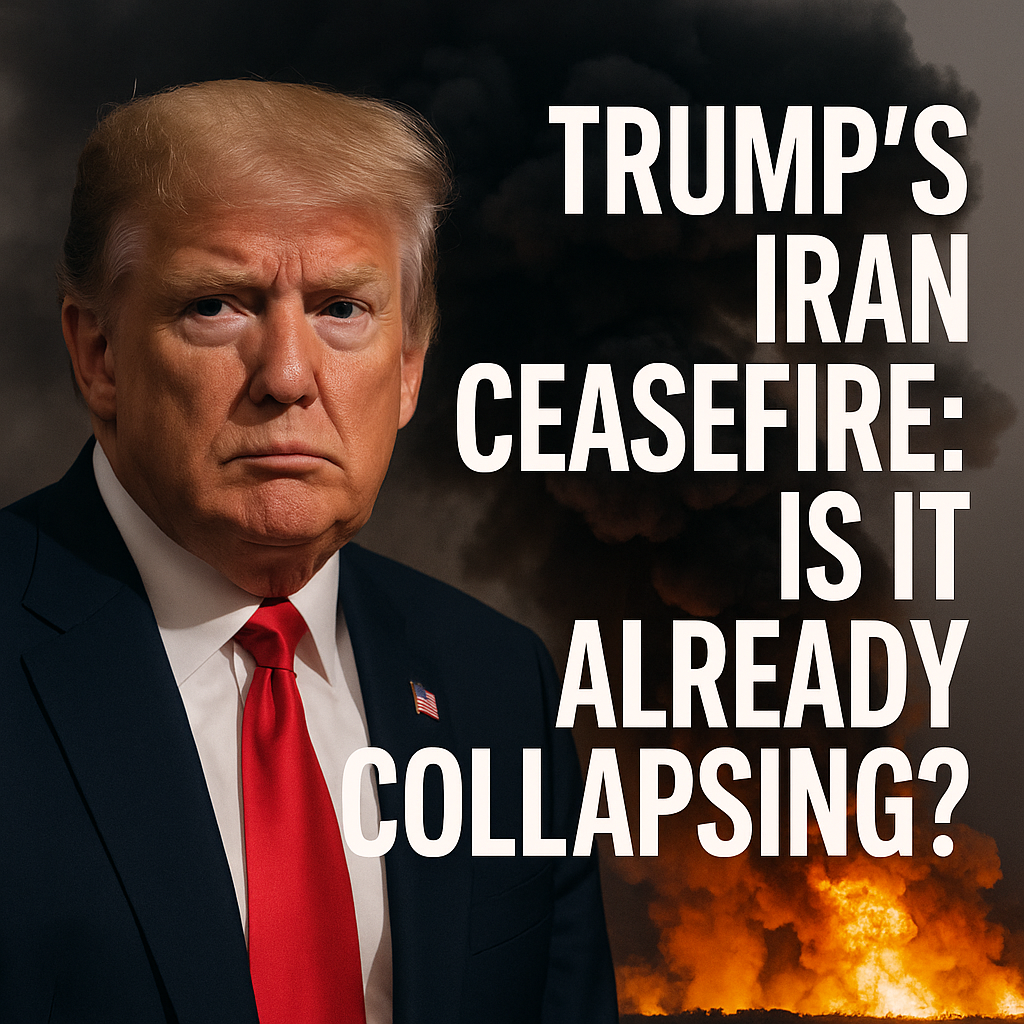
Trump’s Iran Ceasefire: Is It Already Collapsing?

Trump’s Iran Ceasefire: Is It Already Collapsing?
The recent developments surrounding Trump’s Iran ceasefire have raised serious questions about its viability. Amidst escalating tensions in the Middle East, analysts are grappling with the potential for collapse as various factions react to the fragile peace and geopolitical maneuvers of the U.S. administration.

The Fractured Landscape of Middle Eastern Relations
The ceasefire, heralded by some as a step towards stability, has encountered unexpected challenges. Reports suggest that Iranian leaders remain skeptical of the U.S.’s commitment to honoring the terms of the ceasefire. According to Sky News, a series of recent military exercises conducted by Iran indicates a lack of trust and an ongoing perception of vulnerability. This concern is compounded by accusations from U.S. officials that Iran has continued its missile program and destabilizing activities throughout the region.


Contrastingly, Al Jazeera presents a more optimistic viewpoint, arguing that the ceasefire has brought a temporary reprieve in military hostilities, allowing for avenues of dialogue that were previously closed off. They emphasize that while Iran continues to test its military capabilities, the absence of direct military engagements since the announcement of the ceasefire indicates a cautious hope for de-escalation.


The dichotomy in these viewpoints embodies the complexity of Middle Eastern geopolitics, where actions often overshadow intentions. While one source underscores the ongoing threats posed by Iran’s military maneuvers, another highlights the strategic benefits of dialogue and diplomacy that have emerged post-ceasefire.
Factors Leading to Potential Collapse
Several factors contribute to the precariousness of the ceasefire. First and foremost is the internal political pressure on leaders in both the U.S. and Iran. Trump’s administration is facing criticism from those who believe that the ceasefire is a capitulation to Iranian aggression. Conversely, Iranian hardliners may interpret any perceived concessions as a weakness, intensifying their calls for retaliation against U.S. interests in the region.
Additionally, the fluctuating global oil prices and sanctions against Iran complicate the situation further. As reported by RT News, economic pressures may drive Iran to adopt a more aggressive posture, which could ultimately lead to a breach of the ceasefire terms. The implications of such actions could be dire, inciting a cycle of violence that would undermine any fragile peace.
Moreover, the influence of external actors must not be overlooked. Russia and China are monitoring the situation closely, with both nations pushing for their interests in the region. Their involvement could tip the balance and either support or destabilize the ceasefire, depending on their strategic calculations.
A Challenging Path Ahead
The question that lies at the heart of the matter is whether the ceasefire can hold amidst these pressures. As tensions rise and interactions become more contentious, the future remains uncertain. While some analysts argue for the importance of maintaining diplomatic channels to prevent escalation, others highlight the risks posed by Iran’s military advancements and ambitions.
In conclusion, the collapse of Trump’s Iran ceasefire appears plausible, given the multitude of factors at play. A fragile peace rests on the razor’s edge, with both nations contending with internal and external pressures that complicate their ability to negotiate. Whether this ceasefire can evolve into a lasting peace or will fizzle into a cycle of retaliation remains a contentious debate within the geopolitical landscape. The complexity of regional relations suggests that any path forward will require diplomacy, patience, and a nuanced understanding of mutual interests.















