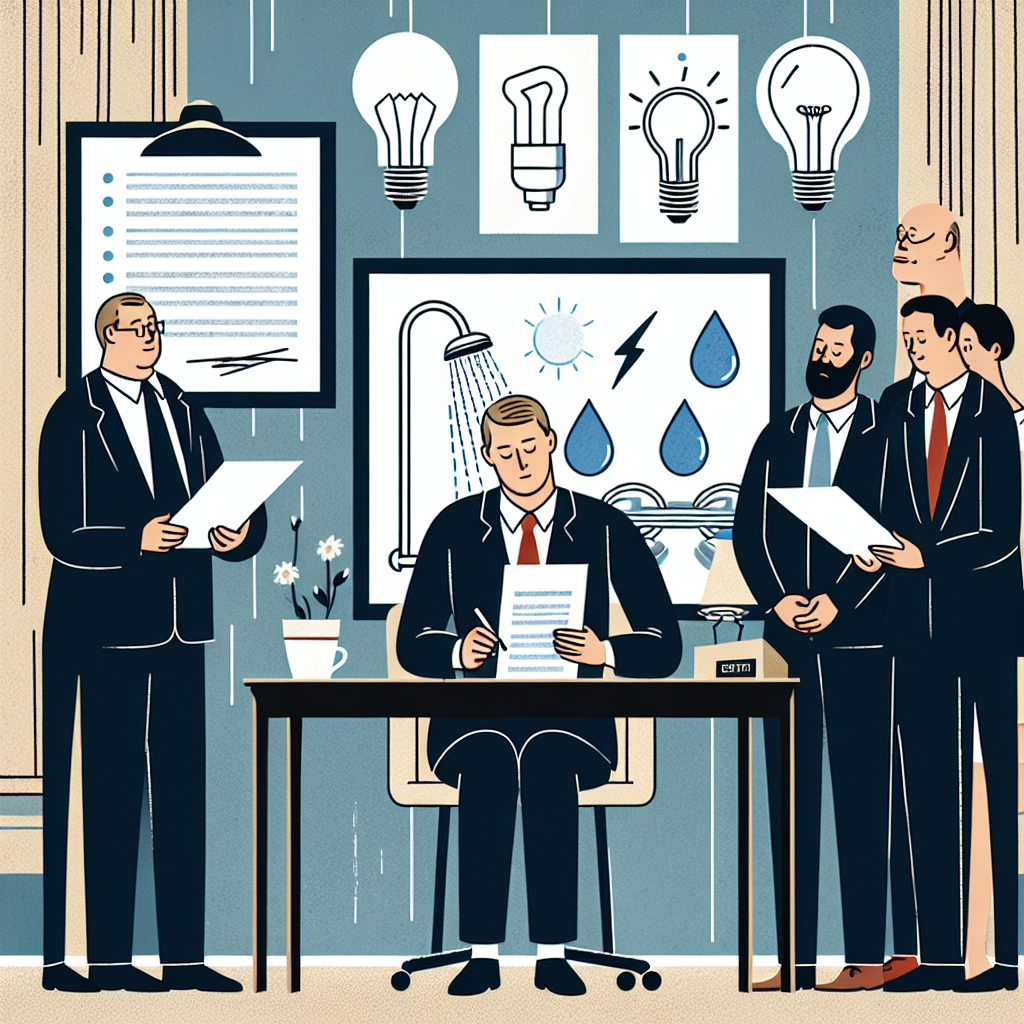
Trump Reverts Standards on Showers and Light Bulbs to Older Regulations

Trump Reverts Standards on Showers and Light Bulbs to Older Regulations
Introduction
In a move that has sparked both support and criticism, former President Donald Trump rolled back regulations on showerheads and light bulbs, reverting to older standards. This decision was part of a broader effort to reduce regulatory burdens and promote consumer choice.

Key Changes
- Showerheads: The Trump administration altered the definition of a showerhead, allowing for increased water flow beyond the limits set by the Obama administration.
- Light Bulbs: The rollback included reversing the phase-out of incandescent light bulbs, which had been replaced by more energy-efficient LED bulbs under previous regulations.
Reasons Behind the Rollback
The administration cited several reasons for these changes:


- Consumer Choice: Emphasized the importance of allowing consumers to choose products that best suit their needs and preferences.
- Regulatory Burden: Aimed to reduce what was perceived as overregulation that limited market options and increased costs.
- Economic Considerations: Argued that the rollback could potentially lower costs for manufacturers and consumers.
Reactions and Implications
The decision to revert these standards has elicited mixed reactions:


- Supporters: Applauded the move as a win for consumer freedom and a step towards reducing unnecessary government intervention.
- Critics: Raised concerns about the environmental impact, arguing that the changes could lead to increased energy and water consumption.
- Market Impact: The rollback may influence the market dynamics for plumbing and lighting products, potentially affecting innovation in energy-efficient technologies.
Conclusion
The rollback of showerhead and light bulb standards by the Trump administration highlights a significant shift in regulatory philosophy, prioritizing consumer choice and reduced regulation over environmental considerations. While supporters view it as a necessary correction, critics warn of potential negative impacts on sustainability efforts. The long-term effects of these changes remain a topic of debate among policymakers, industry stakeholders, and environmental advocates.