
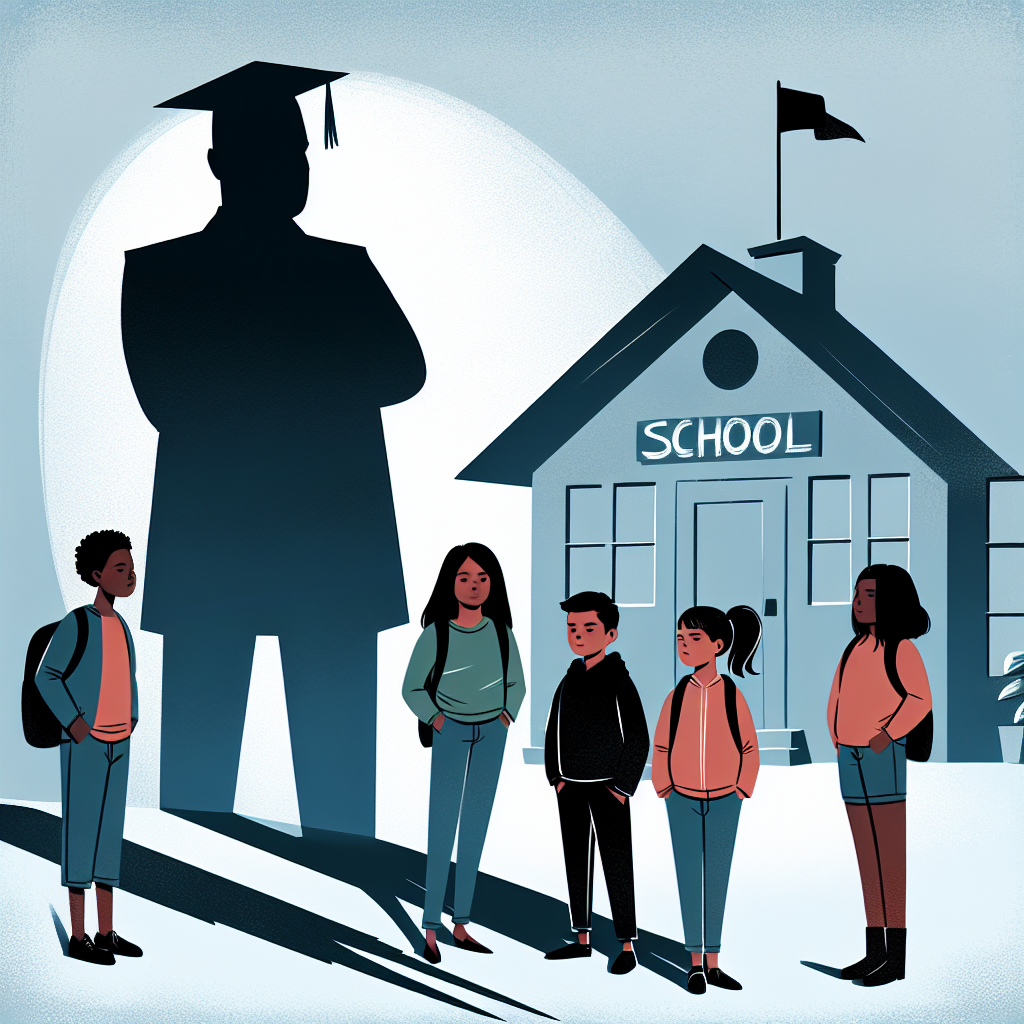
Trump’s Education Cuts: Testing the Limits of Presidential Authority

Trump’s Education Cuts: Testing the Limits of Presidential Authority
Introduction
The recent education budget cuts proposed by former President Donald Trump have sparked a heated debate over the extent of presidential power in shaping national education policy. This move has raised questions about the balance of power between the executive branch and other governmental entities, as well as the potential impact on the American education system.

Key Proposals and Implications
- Budget Reductions: The proposed cuts aim to significantly reduce federal funding for public schools, affecting programs that support low-income students and special education.
- Shift in Priorities: Emphasis on reallocating funds towards school choice initiatives, including charter schools and voucher programs.
- Impact on Stakeholders: Concerns from educators, parents, and policymakers about the potential negative effects on educational equity and access.
Presidential Authority in Question
The proposed cuts have ignited a debate over the limits of presidential authority in education. Critics argue that such sweeping changes should involve more input from Congress and state governments, while supporters claim that the executive branch has the right to set national priorities.


Reactions and Controversies
- Political Opposition: Democratic lawmakers and some Republicans have voiced strong opposition, citing potential harm to vulnerable student populations.
- Public Outcry: Widespread protests and campaigns by educators and advocacy groups demanding a reconsideration of the proposed cuts.
- Legal Challenges: Potential for legal battles over the constitutionality of the executive branch’s unilateral decision-making in education funding.
Conclusion
The controversy surrounding Trump’s education budget cuts highlights the ongoing struggle to define the boundaries of presidential authority in shaping national policy. As debates continue, the outcome will likely have lasting implications for the future of American education and the balance of power within the federal government.

















