
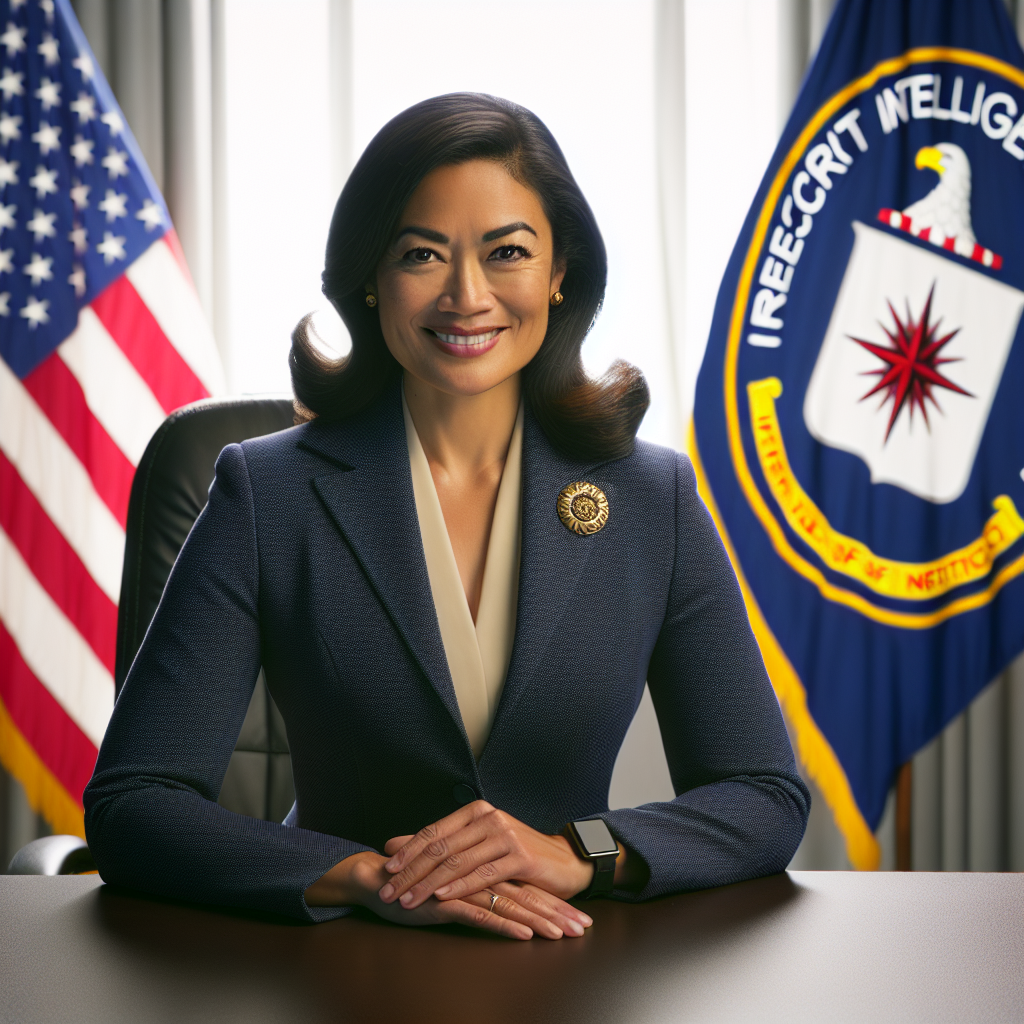
Tulsi Gabbard Appointed as US Director of National Intelligence

Tulsi Gabbard Appointed as US Director of National Intelligence
Introduction
In a surprising political development, Tulsi Gabbard, former U.S. Representative from Hawaii, has been appointed as the new Director of National Intelligence (DNI). This appointment marks a significant shift in the leadership of the U.S. intelligence community, bringing a fresh perspective to the role.

Background on Tulsi Gabbard
Tulsi Gabbard is a well-known political figure with a diverse background in both military and political arenas. Her unique experiences are expected to influence her approach to the role of DNI.


- Served as a U.S. Representative from Hawaii from 2013 to 2021.
- First Hindu member of Congress and the first Samoan-American voting member of Congress.
- Veteran of the Iraq War, serving in the Hawaii Army National Guard.
- Ran for the Democratic presidential nomination in 2020.
Key Responsibilities as DNI
As the Director of National Intelligence, Gabbard will oversee the U.S. intelligence community and serve as the principal advisor to the President on intelligence matters.


- Coordinate intelligence activities across 18 agencies and departments.
- Ensure the President and senior policymakers receive timely and accurate intelligence.
- Address emerging global threats and cybersecurity challenges.
- Promote transparency and accountability within the intelligence community.
Reactions and Implications
The appointment has elicited varied reactions from political circles and the public, reflecting Gabbard’s unconventional political stance and independent approach.
- Supporters praise her military experience and bipartisan appeal.
- Critics question her past foreign policy positions and political affiliations.
- Potential for reshaping U.S. intelligence priorities and strategies.
Conclusion
Tulsi Gabbard’s appointment as the Director of National Intelligence introduces a new chapter in U.S. intelligence leadership. Her diverse background and independent political stance may bring innovative changes to the intelligence community, impacting how the U.S. addresses both domestic and international security challenges. As she steps into this pivotal role, all eyes will be on how she navigates the complexities of national and global intelligence issues.












