
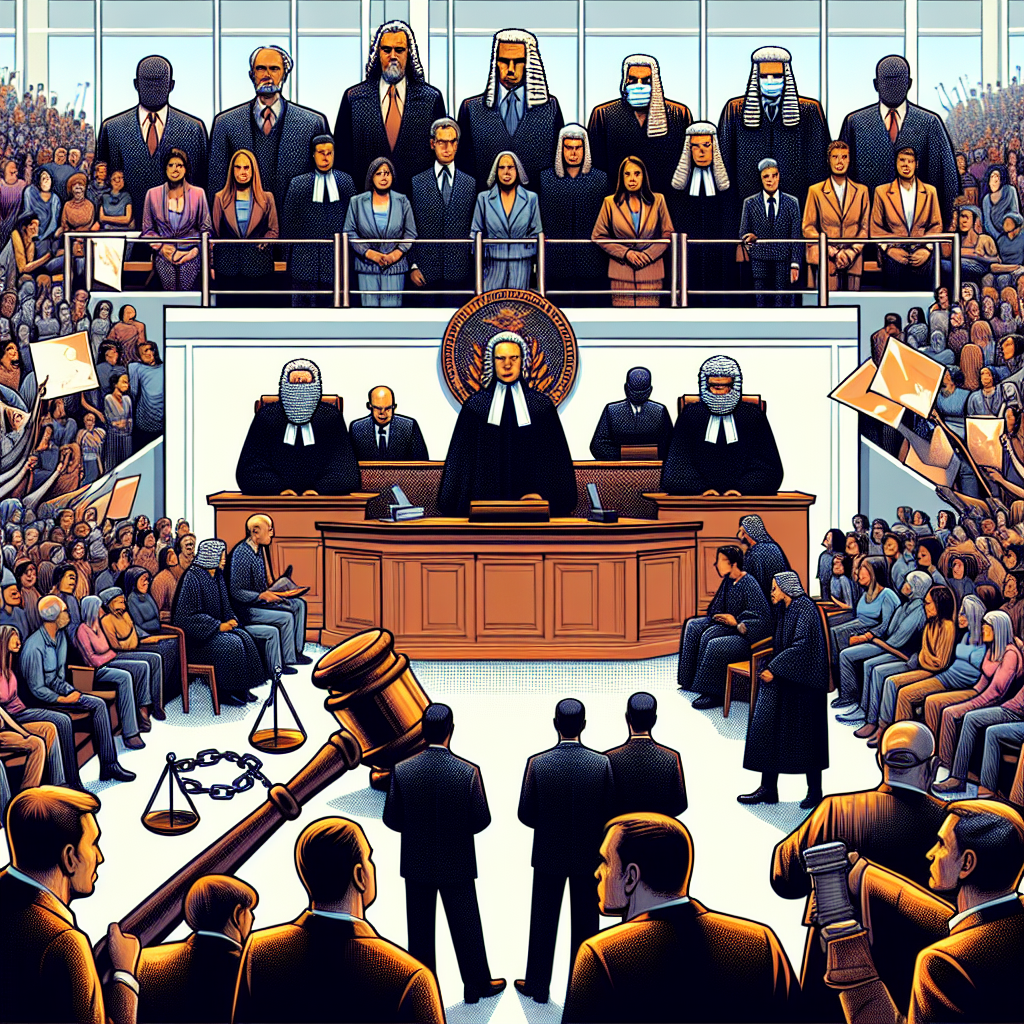
Tunisia Mass Trial Underscores Opposition Suppression and Judicial Erosion

Tunisia Mass Trial: A Spotlight on Political Repression and Judicial Challenges
Overview of the Mass Trial
The recent mass trial in Tunisia has drawn significant attention, highlighting the country’s ongoing political turmoil and the erosion of judicial independence. This trial involves numerous opposition figures, activists, and journalists, raising concerns about the state of democracy and human rights in Tunisia.

Key Issues Highlighted
- Suppression of Opposition: The trial is seen as a strategic move by the government to suppress dissent and weaken political opposition. Many of those on trial are vocal critics of the current administration.
- Judicial Independence: Observers have raised alarms about the lack of judicial independence, suggesting that the judiciary is being used as a tool for political repression.
- Human Rights Concerns: The trial has sparked international criticism, with human rights organizations calling for fair trials and the protection of civil liberties.
International Reactions
The international community has expressed concern over the developments in Tunisia. Various human rights groups and foreign governments have urged Tunisian authorities to uphold democratic principles and ensure fair judicial processes.


Implications for Tunisia’s Future
This mass trial could have far-reaching implications for Tunisia’s political landscape. It underscores the challenges facing the country’s democratic transition and raises questions about the future of political freedoms and judicial integrity.


Conclusion
The mass trial in Tunisia serves as a stark reminder of the fragile state of democracy in the country. It highlights the pressing need for judicial reforms and the protection of political freedoms to ensure a stable and democratic future for Tunisia.















