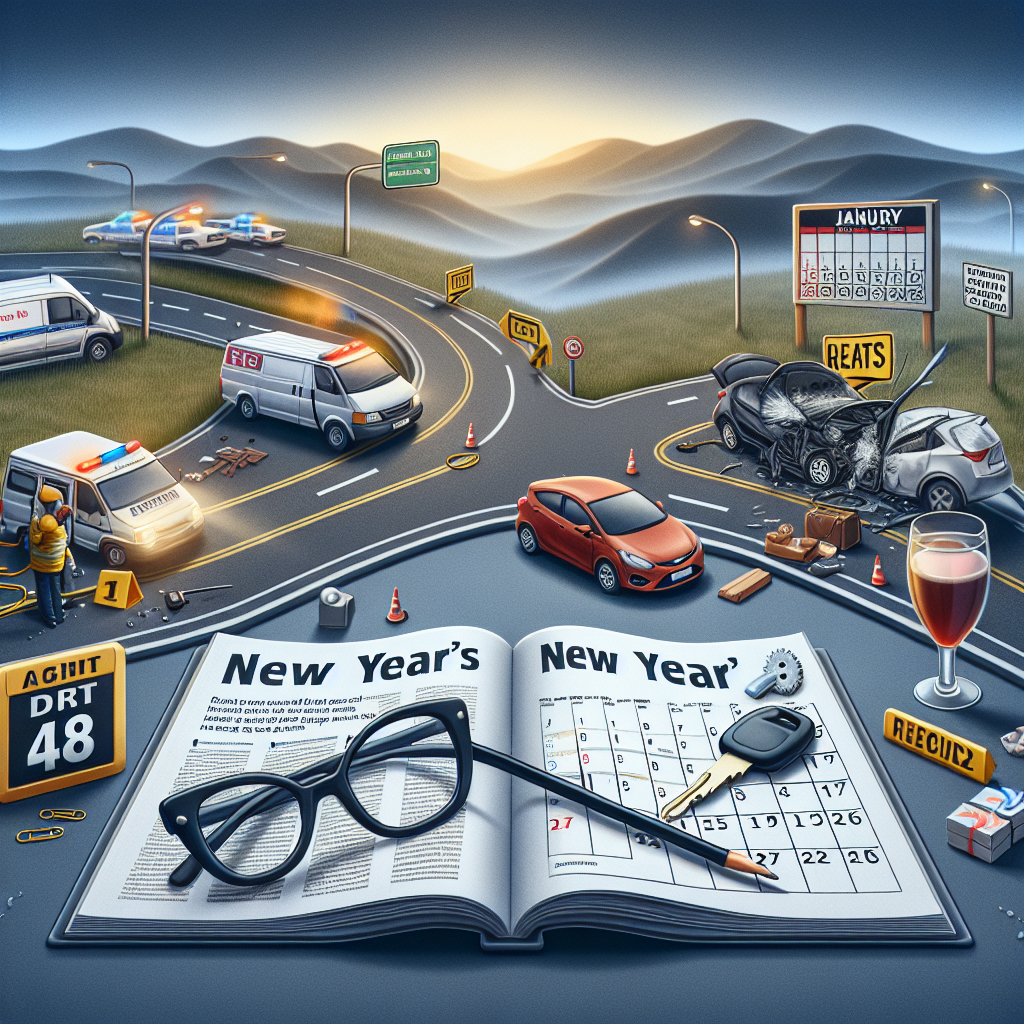
Turo-Rented Cars Linked to Two Fatal Incidents This New Year’s: Key Details

Turo-Rented Cars Linked to Two Fatal Incidents This New Year’s: Key Details
Overview of the Incidents
As the New Year celebrations unfolded, two tragic incidents involving Turo-rented vehicles have raised concerns about the safety and regulation of peer-to-peer car rental services. These incidents have sparked discussions on the responsibilities of both the platform and its users.

Details of the Fatal Incidents
- Incident One: A Turo-rented car was involved in a high-speed collision in Los Angeles, resulting in the death of two passengers. Preliminary investigations suggest reckless driving as a potential cause.
- Incident Two: In Miami, a Turo vehicle was part of a multi-car pileup on a busy highway, leading to one fatality and several injuries. Authorities are examining whether vehicle maintenance issues played a role.
Response from Turo
Turo has expressed condolences to the families affected and is cooperating with local authorities in their investigations. The company emphasized its commitment to safety and outlined measures to enhance user verification and vehicle maintenance checks.


Implications for Peer-to-Peer Car Rentals
These incidents have prompted a closer look at the peer-to-peer car rental model, highlighting potential gaps in safety protocols and regulatory oversight. Key areas of concern include:


- Verification processes for renters and vehicle owners
- Regular maintenance and safety checks of listed vehicles
- Insurance coverage and liability in case of accidents
Conclusion
The tragic incidents involving Turo-rented cars this New Year’s have underscored the need for stringent safety measures and regulatory frameworks in the peer-to-peer car rental industry. As investigations continue, the focus remains on ensuring the safety of all users and preventing future tragedies.