UAE Unlocks Frozen Iranian Funds Amid US Ceasefire Efforts

UAE Unlocks Frozen Iranian Funds Amid US Ceasefire Efforts
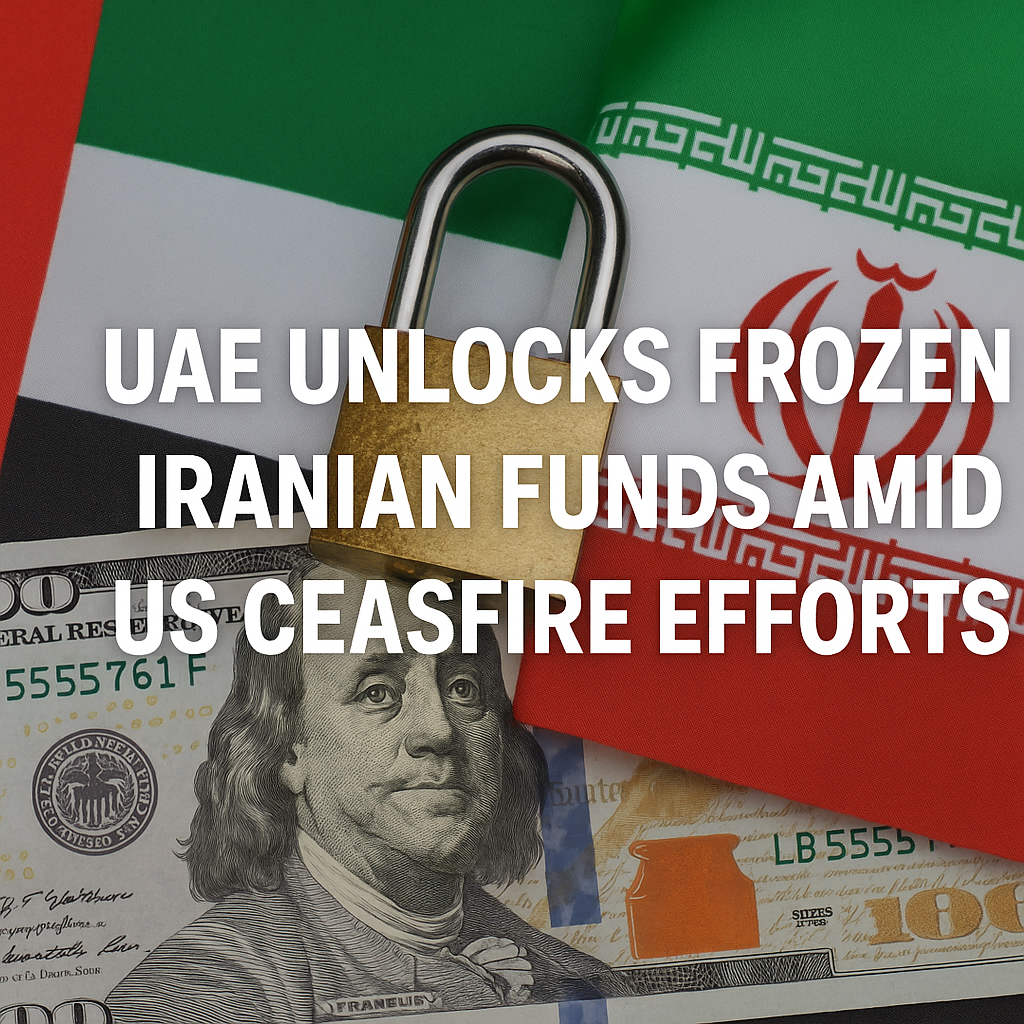
In a significant move that highlights the complex dynamics of Middle Eastern geopolitics, the United Arab Emirates (UAE) has decided to unlock billions of dollars in frozen Iranian assets. This decision comes at a time when the United States is pushing for a ceasefire in ongoing conflicts and seeking to reshape regional attitudes towards Iran. The implications of this action could be far-reaching, impacting diplomatic relations between Iran, the UAE, and the US.

Background on Frozen Funds
The funds in question, estimated to be around $10 billion, were frozen as a result of international sanctions imposed on Iran over its nuclear program and other contentious activities. The UAE had previously adhered to these sanctions, reflecting a broader regional sentiment against Iran’s influence in the Middle East. However, with the shifting dynamics of diplomacy and a growing recognition of the need for engagement with Iran, the UAE’s decision to unlock these funds may signal a new approach to regional diplomacy.


Despite previous tensions, this move could be seen as an attempt by the UAE to foster a more stable environment through economic engagement. As noted in various reports, the decision aligns with broader US efforts to mitigate hostilities in the region and could potentially open dialogue pathways previously considered untenable.


Implications for Regional Stability
The UAE’s unlocking of Iranian funds may contribute to a fragile ceasefire, as it reflects a willingness to engage with Iran rather than isolate it. This turnaround could be pivotal at a time when negotiations surrounding Iran’s nuclear program and its regional policies are in flux. Both Western powers and regional stakeholders recognize that a more stable relationship with Tehran could yield dividends in terms of security and economic growth.
Some analysts argue that this decision serves multiple purposes. It not only alleviates humanitarian concerns over the Iranian populace suffering under sanctions but also positions the UAE as a mediator in the narrative surrounding US-Iran relations. While the UAE has historically aligned itself with Western interests, it seems to be recalibrating its position in response to an evolving geopolitical landscape.
Conversely, this move raises questions about the UAE’s long-term strategy regarding relationships with its Gulf neighbors. Nations like Saudi Arabia may view this engagement with skepticism, fearing it could embolden Iran’s regional ambitions. The delicate balance the UAE seeks to strike between cooperation with Western powers and maintaining regional stability will likely face scrutiny, as contrasting viewpoints arise from various stakeholders in the region.
Diverging Perspectives
There exists a spectrum of opinions regarding the implications of the UAE’s actions. Some analysts posit that unlocking Iranian funds might encourage Tehran to moderate its behavior, thereby contributing to a more peaceful regional environment. Others, however, caution that such engagement could inadvertently reward Iran’s defiance of sanctions and embolden its disruptive influences in Syria, Iraq, and Yemen, where Iranian-supported groups are active.
Moreover, the timing of this move aligns with renewed American diplomatic initiatives aimed at reducing tensions, including offers of dialogue and financial assistance tied to humanitarian needs. The UAE’s decision, therefore, can be interpreted as both a response to and a catalyst for these conversations, though it remains uncertain how these new dynamics will ultimately unfold.
Conclusion
The UAE’s unlocking of frozen Iranian funds amid US-led efforts for a ceasefire represents a pivotal moment in Middle Eastern diplomacy. While this act may signal a movement towards engagement and stability, it also surfaces profound questions regarding the long-term effects on regional geopolitics and intra-Gulf relations. Stakeholders must navigate these complexities carefully, balancing the immediate benefits of economic engagement against potential geopolitical ramifications. As this situation evolves, the intricate interplay between dialogue and deterrence will likely shape the future interactions within the region.