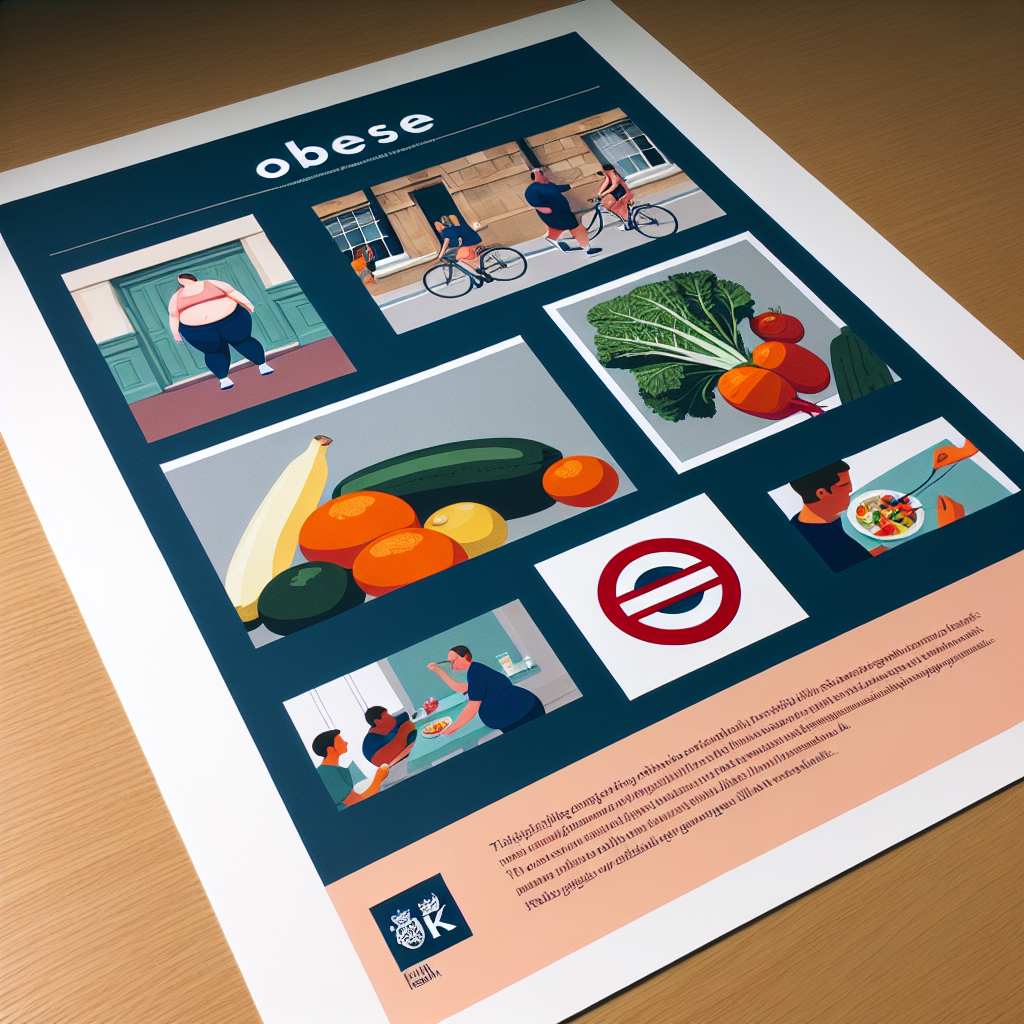
UK Health Officials Advised Against Using ‘Obese’ in New Guidelines

UK Health Officials Advised Against Using ‘Obese’ in New Guidelines
Introduction
In a significant shift in public health communication, UK health officials have been advised to avoid using the term “obese” in new guidelines. This recommendation aims to foster a more supportive and less stigmatizing environment for individuals dealing with weight-related issues.

Key Recommendations
- Language Sensitivity: Health professionals are encouraged to use more empathetic language when discussing weight, focusing on health and well-being rather than labels.
- Person-First Approach: The guidelines suggest adopting a person-first language, such as “people living with obesity,” to emphasize the individual rather than the condition.
- Promoting Inclusivity: The new approach aims to create a more inclusive atmosphere that encourages individuals to seek help without fear of judgment.
Rationale Behind the Change
The decision to move away from the term “obese” is rooted in research indicating that stigmatizing language can deter individuals from seeking medical advice and support. By adopting a more compassionate approach, health officials hope to improve engagement and outcomes in weight management programs.


Potential Impact
- Improved Patient Engagement: By reducing stigma, the guidelines aim to encourage more individuals to participate in health programs.
- Enhanced Public Health Outcomes: A supportive environment may lead to better health outcomes as individuals feel more comfortable discussing weight-related issues.
- Broader Cultural Shift: This change could contribute to a broader cultural shift towards more respectful and inclusive health communication.
Conclusion
The new guidelines advising against the use of the term “obese” represent a progressive step towards more compassionate and effective health communication in the UK. By prioritizing empathy and inclusivity, health officials aim to foster a supportive environment that encourages individuals to engage with health services and improve their well-being.