Ukraine Allies Unite to Counter Russia’s Ballistic Threats

Ukraine Allies Unite to Counter Russia’s Ballistic Threats
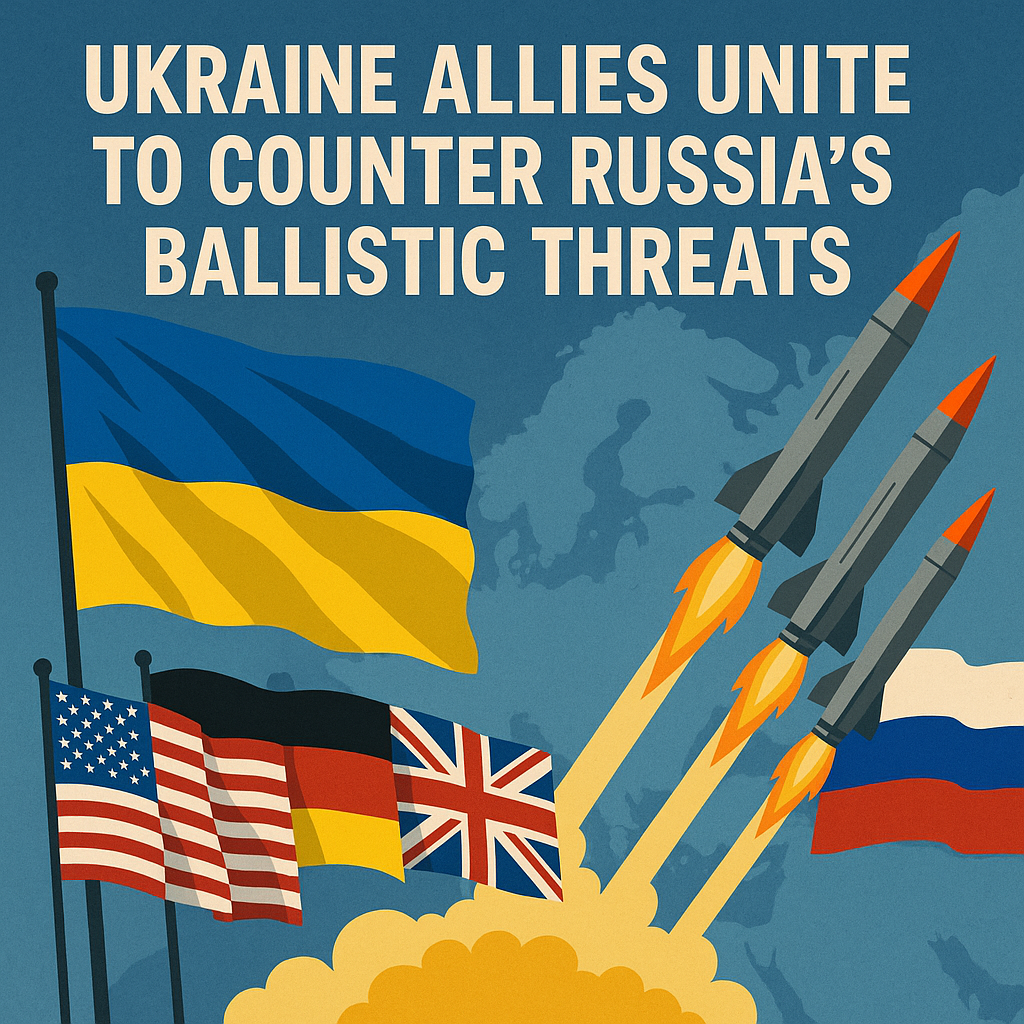
In a significant move that highlights the geopolitical tensions of our time, Ukraine and its allies have come together to form a coalition aimed at countering Russia’s increasing ballistic missile threats. This partnership, unveiled amidst ongoing hostilities, underscores the urgency of collective defensive measures as regional security concerns mount.

A Unified Response to Growing Threats
The coalition’s formation signals a shift in how Ukraine and its allies perceive and respond to the challenges posed by Russia’s military capabilities. Recently, various countries have pledged to strengthen their missile defense systems, focusing on the sophisticated ballistic missiles deployed by Russia. These systems have been continually refined and pose a significant threat to the stability not only of Ukraine but also neighboring European nations.


As reported by Al Jazeera, this initiative aims at consolidating resources among member states to enhance their militaristic capabilities against potential aggressors. Analysts note that such unification could be crucial in deterring threats and potentially influencing the course of ongoing military engagements.


Key components of the coalition include collaborative training exercises, intelligence sharing, and the development of rapid-response frameworks designed to address missile strikes. By pooling resources and expertise, the coalition seeks to create a formidable deterrence mechanism that could alter perceptions of vulnerability within Eastern Europe.
Diverse Viewpoints on Effectiveness and Strategy
The perspectives on this coalition, however, are not universally optimistic. While many experts recognize the potential advantages of a united front, some raise concerns over the risks of provoking further escalation from Russia. RT, for example, emphasizes the importance of dialogue and diplomatic avenues, suggesting that military alliances might exacerbate tensions rather than alleviate them. This caution is particularly relevant given the volatile nature of the current geopolitical landscape.
Furthermore, there are differing opinions on the best strategies for missile defense. Some military analysts advocate for an approach that combines advanced technology with grassroots intelligence initiatives, whereas others argue that conventional deterrents, such as increasing troop presence along strategic borders, may be more effective. The debate reflects deeper ideological divides about how best to ensure security in an increasingly multipolar world.
Regional Implications and Future Prospects
The formation of this coalition is not just a reactive measure but also a proactive one aimed at establishing a long-term security framework in Eastern Europe. With Russia’s reiterated assertions of military dominance, the need for a sustained and coordinated response becomes increasingly apparent.
In addition to military implications, this coalition could significantly affect diplomatic relations within the region. European nations that have traditionally been more neutral might be compelled to reassess their positions, especially if they perceive an immediate threat from Russia’s military actions. The strategic positioning of this coalition could encourage nations to either strengthen or reevaluate their military alliances, leading to a reconfiguration of existing power dynamics.
Moreover, the economic ramifications should not be overlooked. The push for enhanced defense mechanisms often necessitates substantial investments, which could shift financial priorities within member states. Countries facing economic challenges may struggle to allocate funds toward defense initiatives, raising questions about the sustainability of the coalition’s objectives over the long haul.
Concluding Thoughts: The Road Ahead
As Ukraine allies unite to confront the ballistic threats posed by Russia, the coalition’s immediate effectiveness will likely depend on maintaining cohesion among diverse member states while navigating a landscape fraught with uncertainty. The dynamics of military strategy, diplomatic relations, and economic capabilities will all play roles in shaping the future of this alliance.
While the coalition represents a notable step towards collective security, the complexities and potential pitfalls necessitate careful consideration of the broader implications involved. Ensuring peace and stability in the region demands not only strengthened military ties but also an unwavering commitment to diplomatic dialogue—a balance that will be crucial as the situation evolves.