
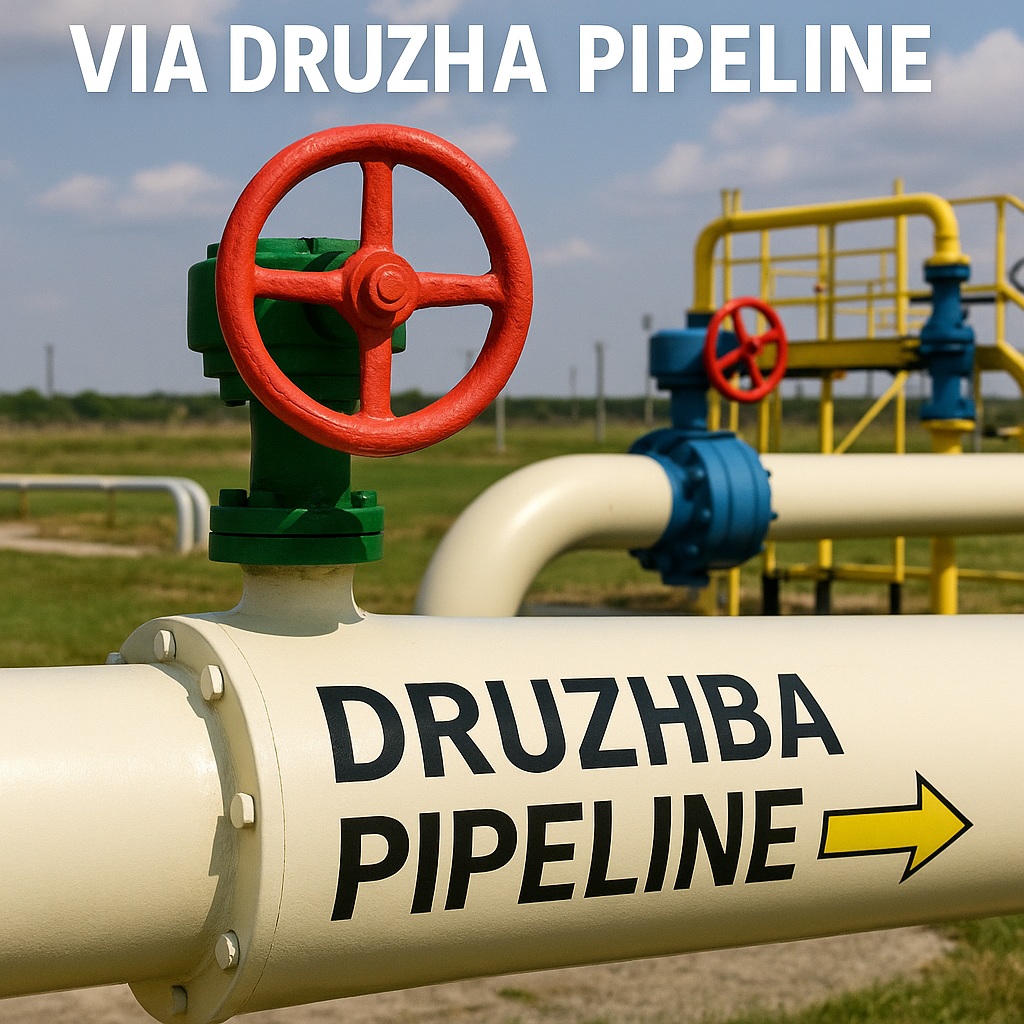
Ukraine Restarts Oil Flow to Hungary via Druzhba Pipeline

Ukraine Restarts Oil Flow to Hungary via Druzhba Pipeline
The recent decision by Ukraine to restart oil flow to Hungary via the Druzhba Pipeline marks a significant development in the intricate tapestry of energy politics in Eastern Europe. This move has implications for geopolitical relations, energy security, and economic stability in the region.

Historical Context and Recent Developments
The Druzhba Pipeline, one of the longest oil pipelines in the world, has been a cornerstone of energy supply between Russia and Europe since its inception in the 1960s. However, the geopolitical landscape has shifted dramatically due to the ongoing conflict between Russia and Ukraine. For months, flows through the pipeline have been disrupted, largely due to Ukraine’s decision to halt oil shipments in response to what it described as the “unjustified military actions” of Russia.


In a recent announcement, Ukraine’s Deputy Energy Minister noted that oil shipments to Hungary resumed after reaching an agreement that allowed for the safe transport of crude oil. This restart has raised eyebrows, especially considering Hungary’s contentious position within the European Union and its energy policies, often seen as diverging from the mainstream EU stance towards Russia.


Diverging Perspectives
Two distinct viewpoints emerge regarding this restart of oil flow. On one hand, some analysts believe this decision underlines Ukraine’s vital role as a transit country for energy supplies, which remains critical for European energy security. The resumption of oil shipments to Hungary could serve as an economic lifeline for Ukraine, which has faced tremendous financial burdens due to the war, as noted in several reports. “By facilitating this flow, Ukraine not only secures its own economic interests but also demonstrates its unwavering resolve to maintain energy corridors under its control,” argues a representative from the Ukrainian Ministry of Energy.
Conversely, critics caution that this cooperation raises questions about Hungary’s reliance on Russian oil while NATO and the EU impose sanctions against Moscow. Notably, Hungary has resisted certain EU-wide sanctions, citing concerns over energy dependency. This contrast illustrates the complexities of European unity in the face of ongoing aggression. Hungary’s Prime Minister, Viktor Orbán, has consistently emphasized the need for a stable energy supply, regardless of the geopolitical climate.
Analyzing Global Energy Markets
The resumption of oil flow via the Druzhba Pipeline does not occur in isolation; it reflects broader shifts in global energy markets. The European Union is maneuvering to diversify its energy sources in response to the Ukraine crisis, yet it still grapples with the realities of its existing infrastructure and relationships. Experts suggest that while Hungary’s resume of oil imports from Ukraine represents a crucial alliance against Russia, it simultaneously risks undermining the collective European strategy against Russian energy dependence.
Moreover, fluctuating global oil prices complicate the landscape. Increased oil imports from Ukraine may provide temporary relief but could exacerbate long-term markets’ volatility. “The liquidity of oil prices will rely on whether countries can find alternative suppliers or must continue to engage with states like Russia for energy needs,” says an energy analyst at a major financial institution.
Looking Ahead: What This Means for Europe
The restart of oil flow via the Druzhba Pipeline serves as both a beacon of cooperation and an emblem of the difficulties that Europe’s energy policy faces in the current geopolitical context. As countries like Hungary strive to secure their energy futures, the question remains on how this strategy aligns with broader efforts to isolate Russia economically. The balancing act between ensuring immediate energy security while striving to meet long-term strategic goals continues to dominate discussions among EU member states.
While optimism surrounds the resumption of oil shipments, the complexities of the European energy landscape remain. Will the latest developments establish a more cohesive energy strategy for Europe, or will it underscore the fissures that exist within the EU concerning energy dependence and geopolitical loyalties?
The situation remains fluid, with uncertainties looming. As regional actors continue to navigate this challenging terrain, the implications of Ukraine restarting oil flow to Hungary will undoubtedly reverberate throughout Europe and beyond, necessitating a keen observance of evolving geopolitical dynamics.
In summary, the restart of oil flow via the Druzhba Pipeline illustrates both cooperation amidst adversity and the complex interplay of political dependencies that characterize the European energy landscape today.















